ACCIDENTAL AUDIENCES: Over A Quarter of Brits Admit to Looking at A Stranger’s Phone Screen in Public Out of Sheer Curiosity
April 1, 2026
From dating apps to financial details, Brits are exposing a wide range of highly personal information in public without even realising
- While 57% of people admit to having looked at strangers’ phone screens accidentally, over a quarter (26%) are peeking at phones in public out of pure curiosity
- 61% identify public transport as the most likely place to notice someone else’s screen
- 61% feel confident they can keep their phone use private in a crowded place, but 59% acknowledge it is easy to see others’ screens when in a public place
- 40% say they have seen personal content on a stranger’s phone in public
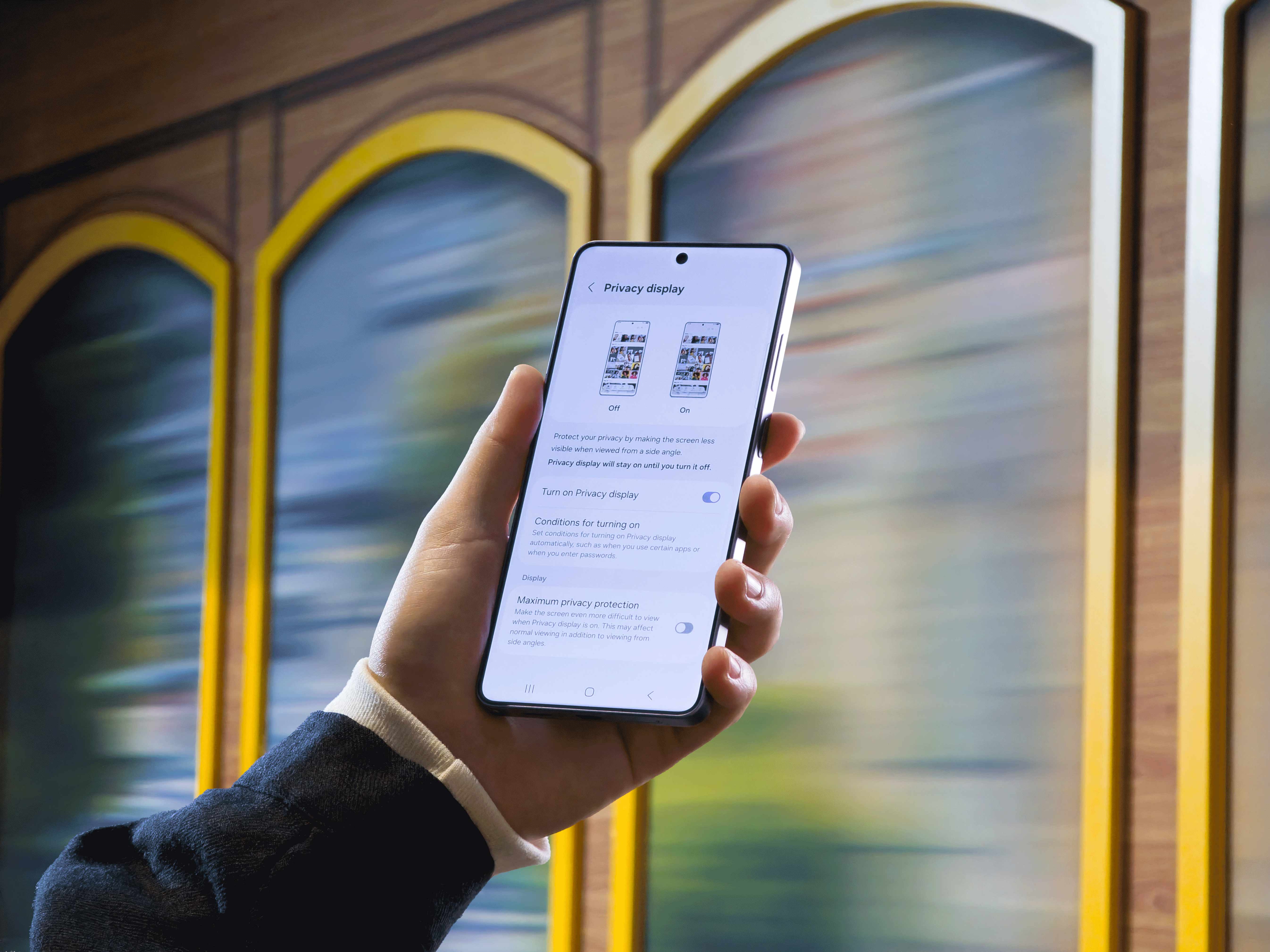
- The new Samsung Galaxy S26 Ultra with Privacy Display[1] limits side-angle viewing of your screen to protect your privacy in any setting
As millions of Brits get ready to enjoy the Easter weekend, new research from Samsung finds the UK’s public spaces have become shared screens, exposing a stream of private content from personal photos to bank details.
Over half (57%) of Brits have admitted they have unintentionally looked at a stranger’s phone in public, while a further 26% admit curiosity has got the better of them, citing public transport as the most likely place to notice someone else’s screen (61%).
Samsung Electronics surveyed 1,000 Brits[2] to support the launch of the Galaxy S26 Ultra, which introduces a world-first built-in Privacy Display on mobile. This new hardware-based technology keeps screen content visible only from the front to protect privacy from side angles, without compromising the viewing experience[3].
With nearly half (61%) confident they can keep their phone use private in crowded places, the majority (59%) say it’s easy to view someone else’s screen in public, revealing a growing privacy perception gap. Despite more than a quarter (28%) ignoring or looking away immediately (27%), 7% admit to continuing to look discreetly.
From messages to money: what is at stake
Nearly half (49%) have felt someone was looking at their phone screen in public, but only 12% agree using a smartphone in public is a private activity. Consumers may know this risk already, but these new findings indicate that visible information is often unexpectedly personal.
And it’s not just harmless scrolling that’s on display – over one-third (40%) of Brits say they have seen personal content on a stranger’s phone in public – with 34% agreeing they have seen something they felt they should not have seen.
The most commonly spotted content includes:
- Personal Photos / camera roll – 37%
- Face or voice of someone on a video call – 33%
- Personal messages (e.g., from a partner/spouse) – 32%
- Social media notifications/profiles – 41%
- Online shopping – 20%
- Dating app notifications/profiles – 17%
- Banking balance or account details – 16%
These instances are rarely intentional, but they highlight just how easily sensitive information can be exposed everyday situations. Public transport remains the most common setting for these encounters (61%), followed by queues in shops and supermarkets (36%), and social spaces such as bars, restaurants and cafés (14%).
A growing shift towards protecting personal information
As awareness of screen visibility grows, Brits are beginning to change how, and when, they use their phones in public.
Over a third (38%) say they have avoided or delayed doing something on their phone in public because someone might see their screen. This rises significantly for more sensitive actions, with 65% avoiding banking, and over half delaying entering passcodes (52%) or reading private messages (52%).
When it comes to reacting in the moment, nearly half (47%) of people report stopping using their phone altogether, while only 10% would take action and confront the person.
These changes reflect a wider shift in how people think about privacy, not just as something managed through device settings, but as something influenced by their surroundings.
Designing for privacy in public
With Privacy Display on Samsung Galaxy S26 Ultra, people have a new tool to protect their information alongside these sensible habits to keep their information private. Privacy has long been a focus for Samsung, and Privacy Display represents the latest step in helping people keep their personal information private in the moments that matter – backed up with seven years of security updates to keep that protection in place over time.
Benjamin Braun, Chief Marketing Officer at Samsung Europe, stated: “Your phone is one of the most personal things you own, housing your photos, your bank details, your messages and more. I use public transport almost every day, and the last thing I want is the person next to me seeing what’s on my screen. That’s why we built the Privacy Display into the Galaxy S26 Ultra, so what’s on your screen stays yours.”
[1] Requires manual activation in settings to function. Privacy Display feature is not AI-powered.
[2] Survey of 1,000 smartphone users in the UK, conducted by Censuswide.
[3] When activated, some information may still be visible to others depending on the viewing environment, such as the angle or brightness. Caution is advised when exposing sensitive information.


