Brits Are Training Like Athletes, But Recovering Like Amateurs
August 21, 2026
New research reveals 82% of Brits say improving their physical health is a priority, as the nation takes an increasingly athlete-like approach to fitness
Yet despite 48% believing rest and recovery are just as important as exercise, 18% admit they find it difficult to prioritise
Seven in 10 agree that understanding how their body responds to training and recovery would help improve their fitness or performance
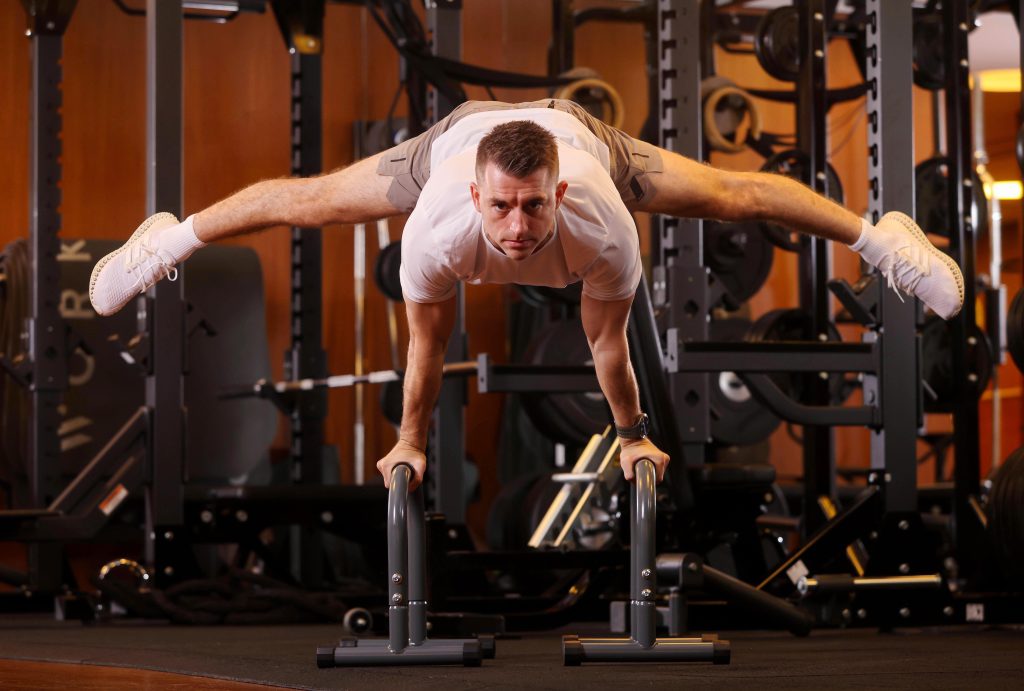
Brits have embraced a new era of optimisation, with people investing more time, money and energy into improving their health and performance – but new research suggests one of the most powerful performance tools is still being overlooked: recovery, with just 23% saying resting and recovering properly is something they prioritise when working towards a fitness goal.
From premium running shoes and protein powders to wearable technology and wellness subscriptions, the pursuit of peak performance has become big business, with Brits increasingly adopting the habits and tools once associated with professional athletes.
New research from Samsung for the Galaxy Watch Ultra2, found 82% say improving their physical health is a priority, while more than half (54%) hope to exercise more regularly over the next 12 months.
Yet despite this focus on optimisation, 48% agree rest and recovery are just as important as exercise, but 18% admit they find it difficult to prioritise, and just a quarter (25%) actively plan rest or recovery days into their routine.
In fact, more than half (55%) find the recovery process a hindrance, with 89% admitting they have pushed through tiredness to hit a fitness target or step count, rather than prioritising recovery.
The research reveals a growing ‘recovery gap’ between the effort people put into training and the attention they give to recovery. While Brits are increasingly adopting athlete-like approaches to performance, from tracking workouts to chasing personal bests, many are overlooking the role sleep, recovery and listening to their body play in helping them perform at their best.
And that imbalance could be making it harder to stay on track. Fitness goals fall by the wayside after an average of 33 days, while 37% have abandoned a fitness goal within 30 days of starting it.
But Brits recognise the potential benefits of understanding their bodies better. Seven in 10 (70%) agree that understanding how their body is responding to training and recovery would help them improve their fitness or performance, while 34% say personalised recovery insights would help them know when they need to rest and recover.
Experts say pushing harder isn’t always the answer. While exercise provides the stimulus for the body to adapt, it’s during recovery – through quality sleep, rest and allowing the body to repair – that those fitness gains are made.
Olympic medallist Max Whitlock, who has partnered with Samsung, says: “Recovery isn’t the reward for training, it’s part of the training. The sessions everyone sees are only possible because of everything that happens afterwards.
“Understanding when your body needs rest is just as important as knowing when to push.”
For many Brits, knowing when to rest is still based largely on instinct. Adults are more likely to assess how their body is responding to exercise and recovery based on how they feel physically (53%) or their level of tiredness (40%), rather than taking a set approach (15%).
This comes as on 16% admit they only take a rest day if they feel sore, tired or run down.
Samsung’s Galaxy Watch Ultra2 helps users take a more informed approach to training and recovery through personalised health insights, helping them better understand how their body is responding to exercise, sleep and rest.
Annika Bizon, Mobile Experience VP of Product and Marketing, Samsung UK & Ireland, says: “More people are taking their fitness seriously and challenging themselves to achieve more, but our research shows there’s still a gap between how people train and how they recover. In many ways, we’re training like athletes but recovering like amateurs.
“People want to be better informed about their health and what their bodies are telling them, and this is where technology can play an important role. By turning personal health data into tailored, actionable insights, people can understand when they might be ready to push themselves and when they might need more rest.”
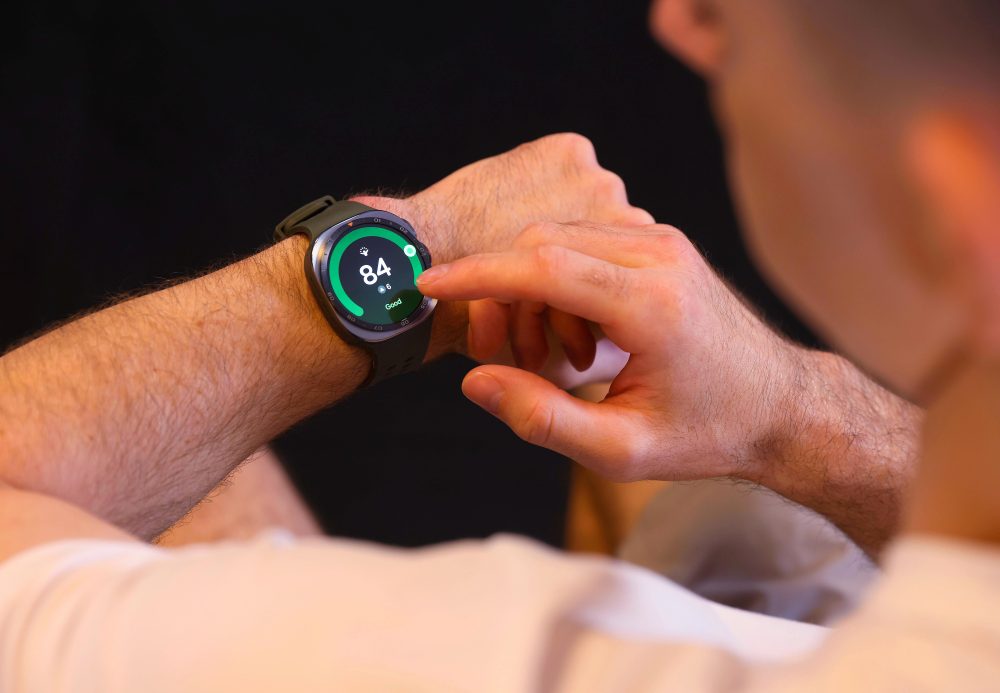
Energy Score on the Galaxy Watch Ultra2 brings together insights including sleep, activity and heart rate to provide a daily indication of physical and mental readiness, while Daily Cardio Load1 helps users understand the impact their workouts are having on their body over time.
Alongside detailed sleep tracking and personalised fitness features, Galaxy Watches can help users take a more informed approach to both sides of the performance equation – knowing when to push and when recovery should take priority.
Additional stats:
- 36% of Brits struggle to stay motivated when the initial excitement of setting their goal wears off
- 27% say having more time in their schedule would help them stay on track with their fitness goals
- 34% admit they find it difficult to fit exercise around everyday commitments
- To use the features, at least 7 days of activity records are required, while 28 days of continuous wear is recommended for optimal accuracy. Please note that values may increase in daily situations where heart rate rises, such as during tension, anxiety or stress. ↩︎


