Confused by TV Tech? So Are Half of Brits!
July 25, 2025
‘TV Tech Fatigue’ is real – meaning Brits are winging it when buying TVs
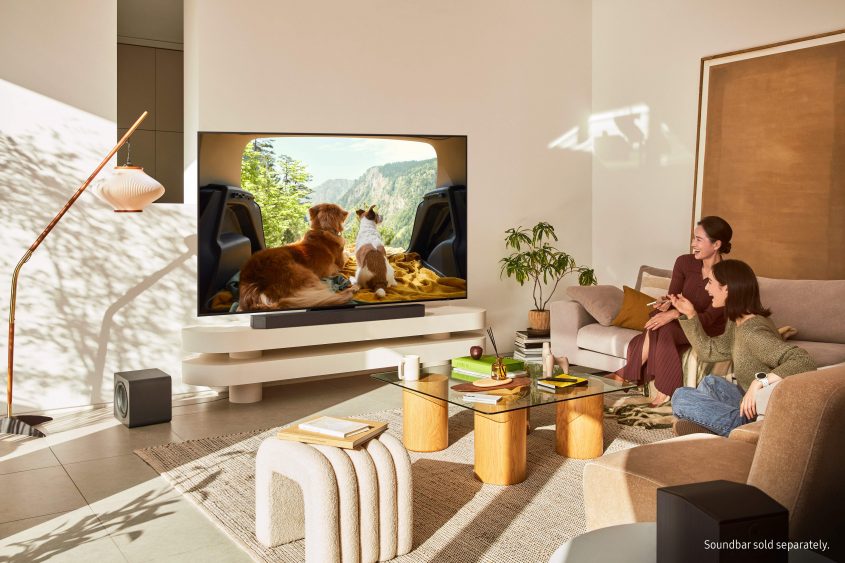
Faced with a wave of jargon and overwhelming choice, many Brits are giving up on researching TVs altogether – even though it’s often a significant purchase and the entertainment hub for the home.
New research from Samsung reveals that more than half of UK shoppers (54%) spend less than two hours researching a new TV and 8% admit to doing no research at all.
Normally, clarity would prevail around a major purchase, especially when 62% of people expect their TV to last more than six years. But instead, many consumers are switching off early, overwhelmed by complex specs and unfamiliar terms.
Nearly half (46%) of UK shoppers say they’ve bought a TV without fully understanding what they were getting. Even the most familiar term, HDMI – a technology used for more than 20 years – is only understood by four in ten people, despite being simply a connectivity port rather than something that affects the screen quality itself.
Worryingly, only one in four (25%) felt confident in their final decision, and just 26% described the experience as exciting – suggesting that for many, TV shopping feels more stressful than satisfying.
Apathy, confusion and lack of confidence are fuelling ‘TV tech fatigue’ and having a real impact on decision-making. This often leads to purchase regret, with one in three (33%) have regretted choosing a cheaper or lesser-known brand, while 45% have had to replace their TV sooner than expected.
“Most people want to make the right choice. They’ll read a few reviews, compare models, maybe watch a video or two, but it’s easy to feel overwhelmed,” says Jeremy Demont, Director of TV/AV Product Management at Samsung UK. “For something as important and long-lasting as a TV, that should be enough. But the jargon gets in the way. TVs are central to how we relax and connect. Buying one shouldn’t feel like sitting an exam.”
These findings are revealed just before a major football weekend – a period often resulting in a surge in TV sales. It’s the perfect opportunity to emphasise the importance of ensuring that consumers fully understand the technology they’re investing in.
While picture quality and content have never been better, many consumers are struggling to keep up with TV technology. As the leading global TV manufacturer for the past 19 years[1], Samsung is working to make it easier for people to understand the tech that shapes how we watch, share and connect.
Picture quality (47%) and screen type (30%) are seen as the most important factors when buying a TV but understanding of these is low. Only 33% of Brits know what 4K means, while just 18% re familiar with OLED and 14% with QLED – despite both of these being popular TV types.
Yet even with these knowledge gaps, few people seek support. Just 12% say they buy in-store so they can speak to a salesperson and only 17% believe that understanding TV terminology alone would give them more confidence.
The findings suggest that people want simpler, more intuitive ways to understand the features and how they benefit users, not just acronyms for technical terms.
“Consumers want a great viewing experience but often feel lost in a sea of acronyms,” says Jeremy. “We know the names can sound technical – QLED, OLED, HDR, 4K – but what matters most is how everything looks and performs on screen. That’s why we focus on delivering quality people can trust – and why we help shoppers cut through the complexity.
“Whether you understand the tech or not, you can trust that a Samsung TV will deliver long-lasting picture quality, intuitive design and the performance people return to us for. We are the global leader in TV for a reason, and we want to make it easier than ever to choose the right one.”
When it comes to choosing a TV, what makes the biggest difference day-to-day isn’t the jargon – it’s how the picture actually looks and performs. In fact, picture quality and screen type are the top priorities for shoppers. Samsung QLED TVs are independently certified as Real Quantum Dot Displays[2], delivering consistently vibrant colour and brightness that lasts.
The research also reinforces the emotional and cultural role TV continues to play in people’s lives. Despite the rise of streaming, the moments that stay with us are still those we experienced live, together.
When asked to name their most memorable TV moments, Brits picked major national events over entertainment: Queen Elizabeth II’s funeral ranked number one, followed by Princess Diana’s funeral (#2) and the London 2012 Olympics (#3) – ahead of any drama or comedy series.
Other top choices included Live Aid (#4) and the 1969 moon landing as broadcast on the BBC (#5). Powerful reminders that TV continues to bring people together.
“These findings reflect that TVs are more than just screens. They’re the backdrop to family film nights, shared sporting highs and moments that bring friends and generations together,” says Jeremy. “From daily rituals to national milestones, the TV remains a central part of how we connect. However as the technology evolves, the way we explain it must evolve too.”
Samsung’s QLED and OLED TVs are built for long-term performance and trusted by millions worldwide, offering the colour and brightness quality consumers expect from a premium TV.
If you’re looking to purchase a TV and want support on picking the best kind for you, Samsung has put together a set of easy, intuitive questions to help:
For optimal sports viewing:
- I watch a lot of sport. What can you recommend that ensures whichever sport I’m watching stays clear without the ball blurring so I can stay as close to the action as possible?
For the best gaming experience:
- I love gaming on my TV so looking for low-latency and strong processing?
- I want to minimise the cables going into the TV for a ‘cleaner’ look, how can I do this?
For watching films:
- Which TVs give the most cinematic experience with rich, lifelike colours and deep contrast?
- What independent experts or organisations have verified the quality of the picture/experience?
To ensure you’re getting the best value for your budget:
- What TV options offer additional features or services and are they free?
- Will a slightly smaller sized TV be better for me in the long-run? (Will it last longer?)
For optimal viewing conditions:
- My room is quite bright. What can you recommend for maintaining picture quality to minimise reflections in these conditions?
For longevity, value and future-proofing:
- What’s the ultimate TV for future-proofed picture quality and does 8K really make a difference?
- Is it better to invest in a higher-quality TV now rather than upgrading sooner?
You can find out more about Samsung QLED TVs here: Latest Samsung QLED TV | All QLED TVs | Samsung UK and for OLED information please visit 4K & 8K OLED TVs | Find The Best OLED TV | Samsung UK.
[1]Omdia: https://news.samsung.com/uk/samsung-electronics-marks-19-consecutive-years-as-the-global-tv-market-leader
[2]Certified by TUV Rhineland: https://news.samsung.com/global/samsung-qled-tvs-earn-real-quantum-dot-display-certification-from-tuv-rheinland


