HDR10+ ADVANCED: How Samsung Is Making Home Entertainment Brighter, Smoother and Smarter
November 5, 2026
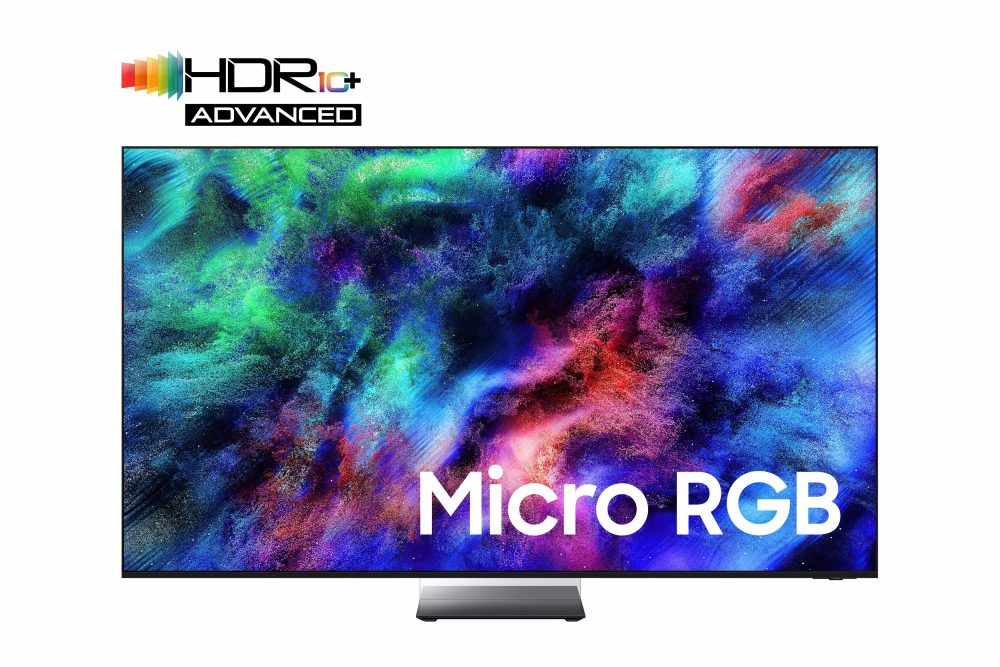
The home is becoming the new theatre. But as TVs get bigger and brighter, the technology behind the picture needs to keep pace.
Premium TVs can now reach unprecedented peak brightness levels. Much of today’s streaming content, however, is mastered at far lower brightness levels. This creates a challenge: How can TVs make the most of their capabilities while preserving the look and feel intended by filmmakers and content creators?
HDR10+ ADVANCED is Samsung’s answer. Building on HDR10+, which uses scene-by-scene metadata to help TVs optimize brightness and contrast, the new technology adds more detailed picture information, AI-powered tone mapping and greater control over motion.
Bridging the Gap Between Master and Display
When HDR10+ technology was first introduced in 2017, most content was mastered brighter than consumer TVs could handle. Today, premium TVs can support extreme brightness levels that easily encompass the range for which much of that content was mastered.
To reproduce this content on brighter displays, TVs need to map the original brightness levels to their own capabilities. Without detailed scene information, this process can involve compromises that affect brightness, contrast and detail.
HDR10+ ADVANCED expands the dynamic metadata available to guide these adjustments. Specifically, it uses extended distribution metadata to represent tonality more accurately, enabling AI to create brighter HDR while preserving the creator’s intended look. This gives compatible TVs more detailed guidance across midtones as well as the brightest and darkest parts of the image, helping them reproduce each scene as intended.

Smarter Picture Quality, Powered by AI
HDR10+ ADVANCED combines its expanded metadata with Samsung AI-driven tone mapping to optimize the picture for modern displays.
Samsung TVs use AI models pre-trained on thousands of expert-graded HDR samples. These AI models run on-device in real time, generating optimal tone-mapping curves based on scene statistics in the metadata.
The aim is to make effective use of a TV’s brightness while preserving contrast and detail, helping bright highlights stand out without losing the nuances of darker scenes.
Tailored Motion for the Living Room
Films are typically shot at 24 frames per second, a frame rate that contributes to their cinematic look. On large home displays, however, some movements can appear uneven, particularly during camera pans. Conventional motion smoothing can help, but too much can make films look unnaturally fluid — a look often called the “soap opera effect”.
HDR10+ ADVANCED introduces Intelligent Motion Smoothing, which allows creators and streaming platforms to specify the desired level of smoothing for individual scenes. Levels range from 0, with smoothing off, to 5, with maximum smoothing.
This allows motion to be tailored to the content, from fast-moving sports that benefit from greater fluidity to cinematic dramas that retain a more natural look.
Understanding the Content on Screen
A sports broadcast, an animated film and a news program each have different visual characteristics. HDR10+ ADVANCED introduces genre-based metadata to help compatible TVs better understand the content they’re displaying.
Its two-layer structure combines 16 broad content classes with 64 more specific descriptors. These can identify characteristics such as the type of sport, movement, lighting conditions and how the content was captured. A football match, for example, could include descriptors relating to the pitch, ball movement, camera panning and daylight.
This additional information can help tailor picture processing to different types of content. It also creates a foundation for potential future services, including interactive and commerce experiences.
Expanding HDR10+ GAMING Experience Through Cloud Gaming
HDR10+ ADVANCED extends optimized HDR to cloud gaming, helping compatible games deliver a better-tuned picture without players needing to calibrate settings manually.
Adaptive Cloud Gaming uses real-time ambient-light data and dynamic tone mapping to optimize visibility and immersion in cloud-based games on compatible HDR10+ GAMING platforms.
A New Chapter for Home Entertainment
HDR10+ ADVANCED brings together expanded scene metadata, AI-powered tone mapping, intelligent motion control and cloud gaming capabilities to build on the existing HDR10+ ecosystem.
The goal is straightforward: HDR10+ ADVANCED compatible Samsung TVs make better use of their display capabilities while adapting more intelligently to what’s on screen. Whether watching a film, following live sport or playing a game streamed from the cloud, viewers can benefit from picture processing designed around the content.
As home entertainment evolves, HDR10+ ADVANCED represents another step toward a more flexible and refined viewing experience.
For more information on HDR10+ ADVANCED, visit hdr10plus.org/advanced.


