

Samsung and the Smithsonian Partner to Bring Korea’s Artistic Legacy to American Audiences
A first-of-its-kind exhibit spotlights centuries of Korean creativity and the shared spirit of innovation that drives both art and technology
12/15/2025



© Colleen J. Dugan/National Museum of Asian Art, Smithsonian Institution
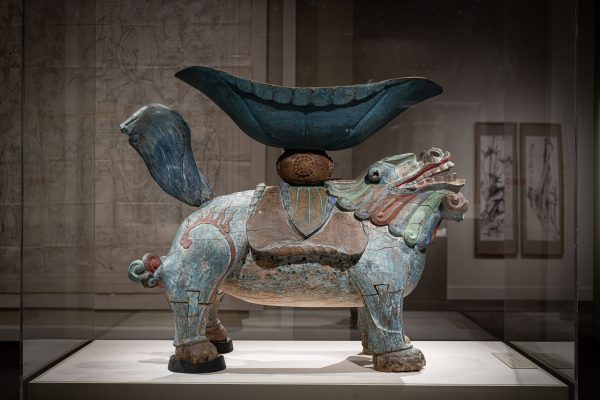
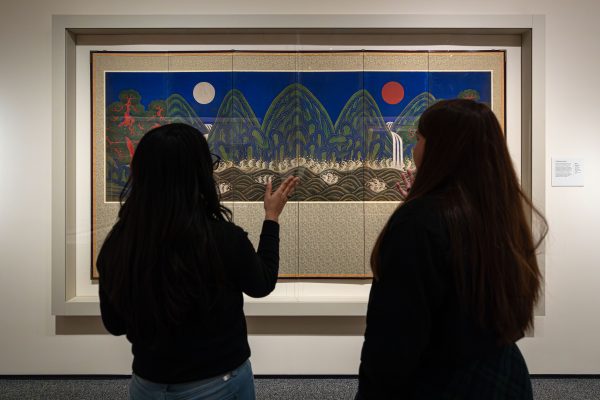
K-pop. K-dramas. K-beauty. Korean creators have shaped global culture in a major way — but the styles, moods and design cues capturing the world’s attention didn’t appear overnight. Now open, visitors to the Smithsonian’s National Museum of Asian Art (NMAA) can explore the centuries-old source code behind that phenomenon through Korean Treasures: Collected, Cherished, Shared, the first U.S. exhibition of masterpieces from the late Samsung Chairman Lee Kun-Hee’s renowned art collection.
Running through February, 1, 2026, the exhibition brings more than 200 works — including rare National Treasures — to Washington, D.C., spanning 1,500 years of Korean creativity. It’s a historic cultural moment, made possible through a collaboration between the Smithsonian and Samsung, and fueled by the belief that art and technology are more connected than ever.
© Colleen J. Dugan/National Museum of Asian Art, Smithsonian Institution
A Cultural Moment Decades in the Making
For Samsung, supporting this exhibition is the continuation of a 47-year commitment to the U.S. — and a chance to share Korea’s artistic heritage at a time when interest in Korean culture has never been higher.
“For many Americans, their first touchpoint with Korean culture has been contemporary music and entertainment, from K-pop to K-dramas streamed on their phones,” said Yoonie Joung, President and CEO of Samsung Electronics North America. “This exhibit offers a chance to go deeper, connecting that modern wave of interest to centuries of Korean artistry that continues to inspire how people create, perform and tell stories today.”
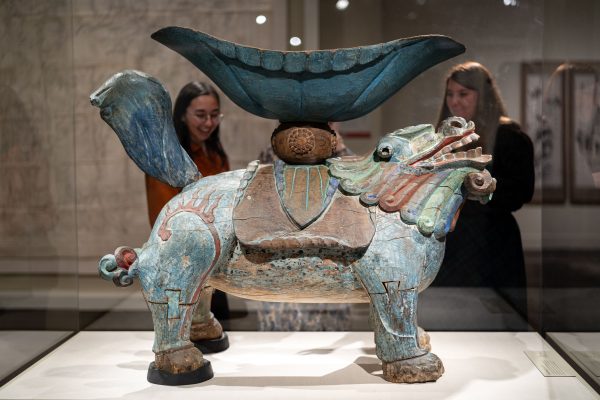
That connection across generations and mediums is at the heart of the partnership. Whether it’s a 15th-century Buddhist sculpture or the cinematic storytelling of today’s Korean dramas, both reflect the same spirit of creativity and evolution — the desire to push boundaries through new tools, technologies and ideas.
© Colleen J. Dugan/National Museum of Asian Art, Smithsonian Institution
A Legacy of Collecting, Preserving, and Sharing
The exhibition draws from the extraordinary Lee Kun-Hee Collection, one of the most significant art collections in Korean history. Much of it was assembled over decades by the late Samsung Chairman, whose passion for preserving Korean culture resulted in a donation of more than 23,000 works to the Republic of Korea in 2021.
The collection highlights the calm, quiet and minimalistic style of Korea’s cultural history, giving visitors a chance to discover quiet luxury before it was a trend. By bringing a selection of these works to the U.S. for the first time, the Lee family continues a legacy of cultural stewardship and opens a new chapter in the growing exchange between the U.S. and Korea.
“By sharing this collection with the Smithsonian and the American public for the first time, the family is continuing that legacy of stewardship by safeguarding history and facilitating a cultural dialogue that transcends borders,” Joung said.

What Visitors Will Experience
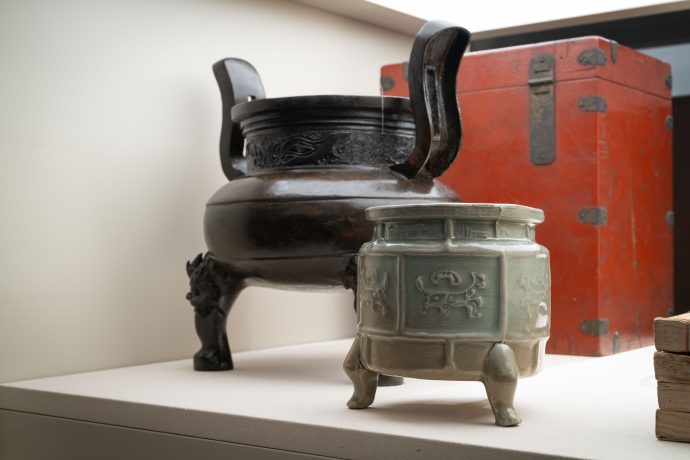
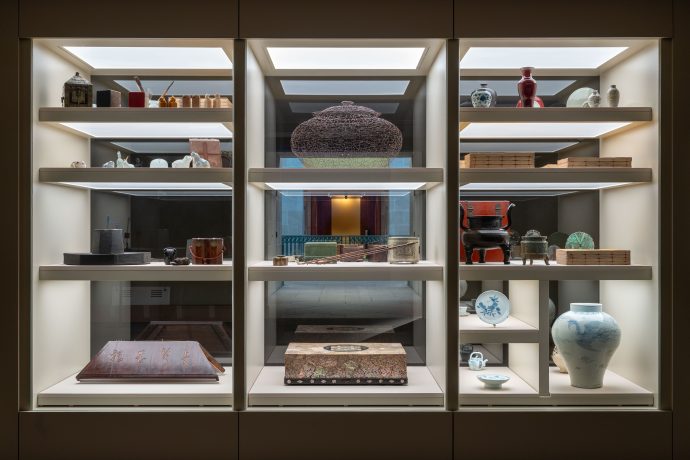
Spread across ten galleries, Korean Treasures unfolds as an immersive journey through 1,500 years of Korean creativity. Visitors will encounter serene Buddhist sculptures and ritual objects that reveal the spiritual foundations of Korea’s artistic identity, followed by the refined world of Joseon-era scholars, where understated furnishings and meticulous craftsmanship defined an entire aesthetic philosophy.
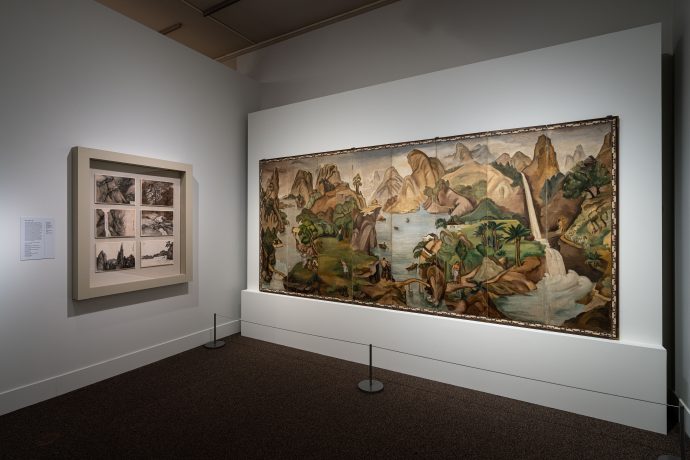
The exhibition then moves into the courts and studios of later centuries, showcasing luminous ceramics, royal artifacts and rare books that capture the nation’s evolving tastes and intellectual life. The story culminates with bold works from the 20th century — pieces that bridge Korean traditions with global art movements and hint at the creative confidence seen in Korean culture today.
Taken together, the collection forms a sweeping narrative of cultural evolution, illuminating how Korea’s artistic heritage continues to shape modern design, storytelling, music and even today’s digital culture.