

Samsung Powers the Future of Education through Connected Classrooms
Samsung is connecting with educators at FETC and TCEA 2026 through hands-on experiences and its new Interactive Display designed to enhance teaching and classroom learning
2/2/2026


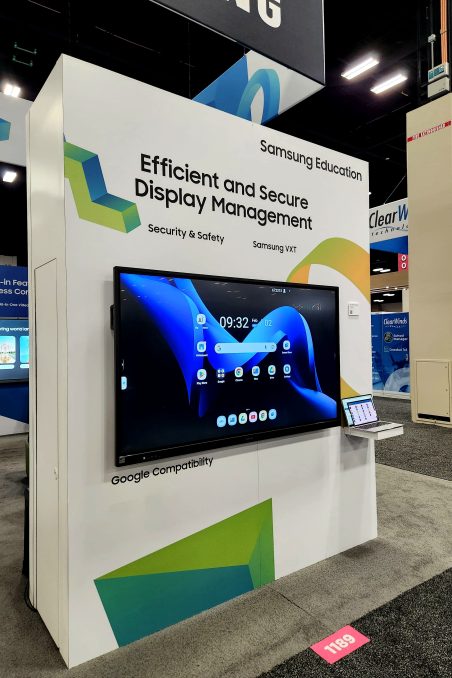
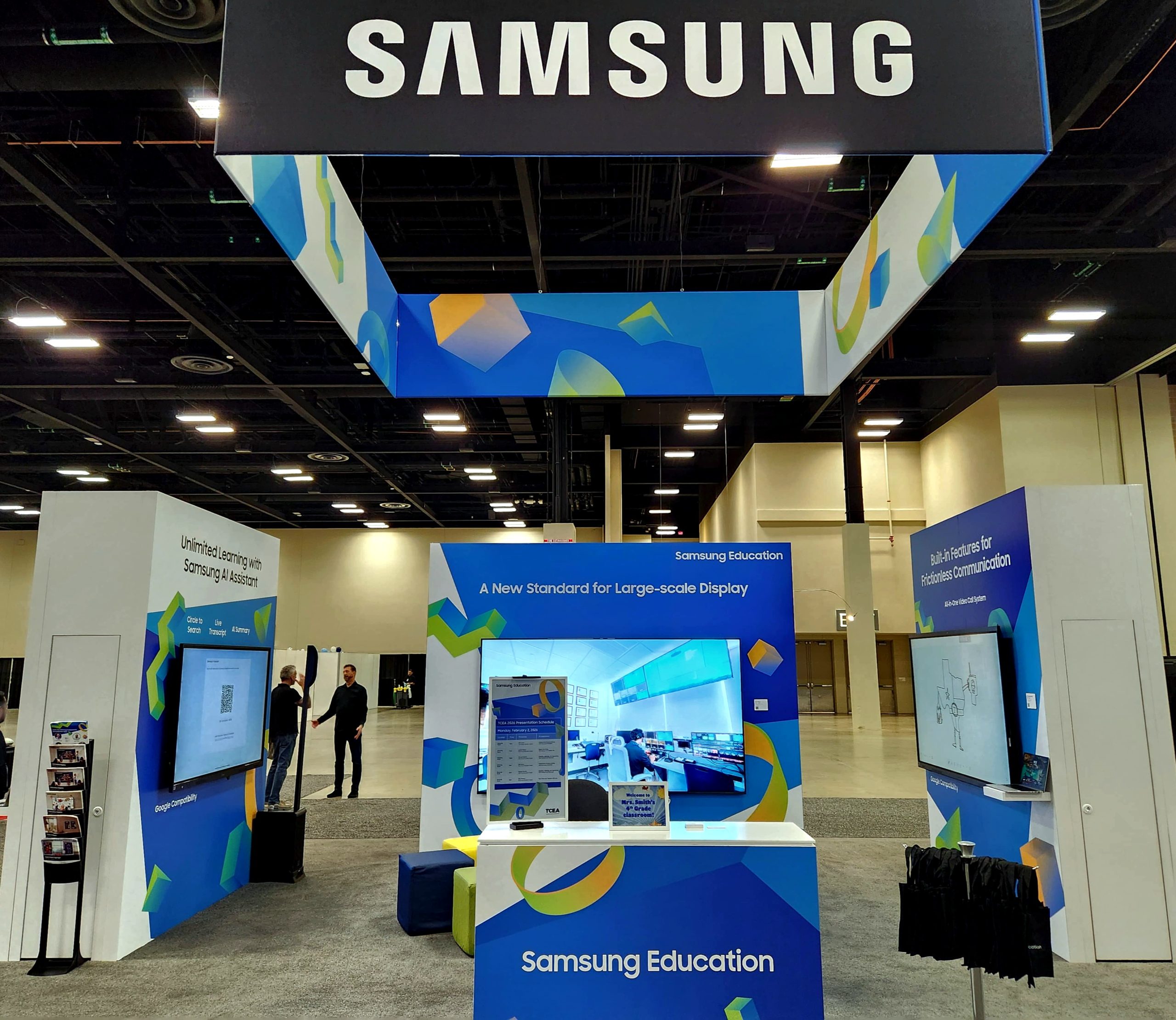
Samsung Electronics America is putting connected classrooms on display at the Texas Computer Education Association (TCEA) 2026 Convention in San Antonio (January 31 – February 4). During the show, educators and school leaders in attendance have the chance to see how Samsung’s connected display ecosystem (booth #1189) fosters engaging learning environments and improves student outcomes.
Empowering Educators and Encouraging Student Exploration
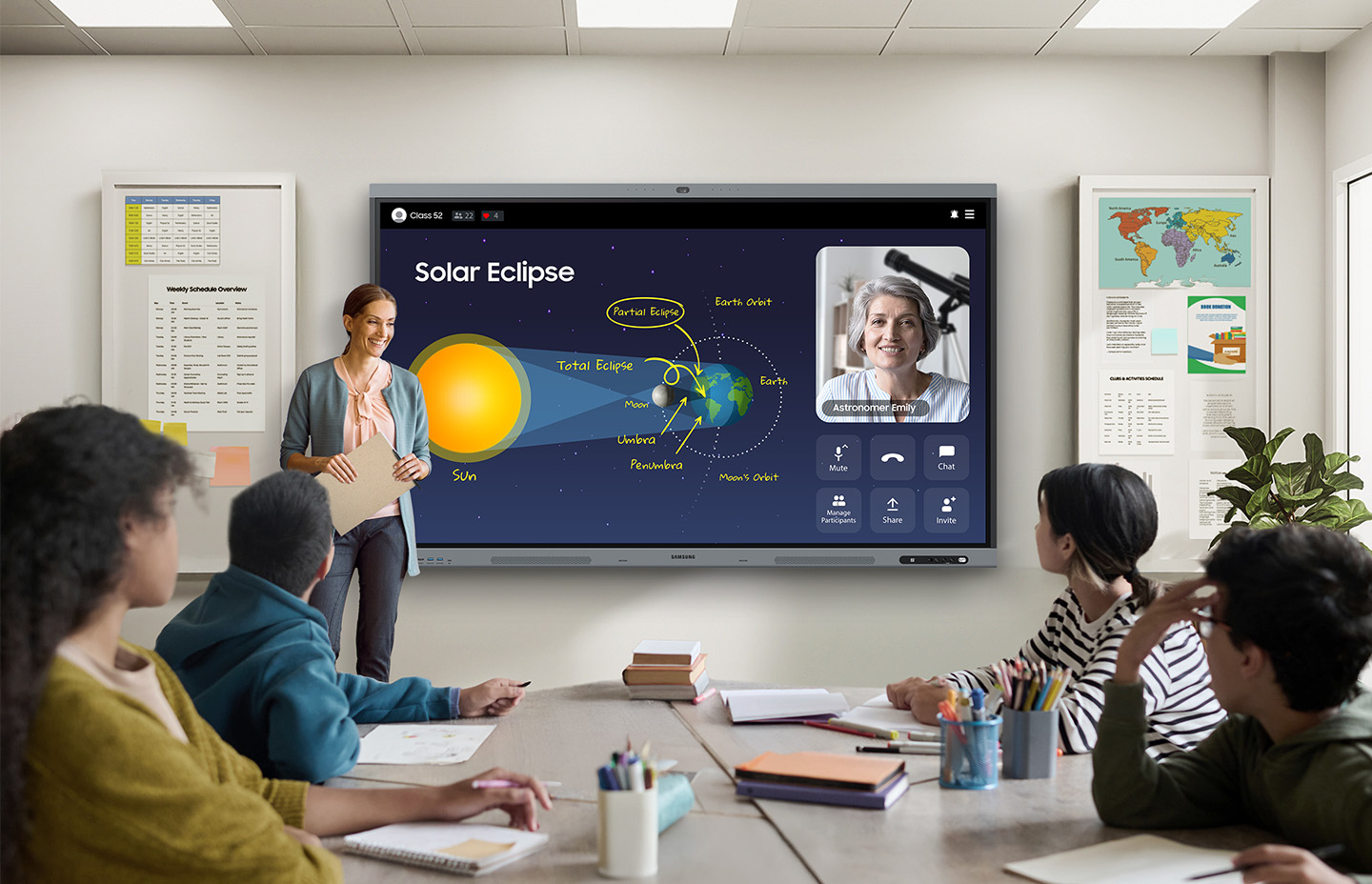
With a strong commitment to supporting innovation in schools, Samsung’s in-booth demonstrations highlight the powerful ways interactive displays and intelligent solutions bring classroom instruction to life. To deepen student engagement and further encourage in-person collaboration and communication, Samsung is introducing the WAFX-P, its soon-to-be-launched Interactive Display.
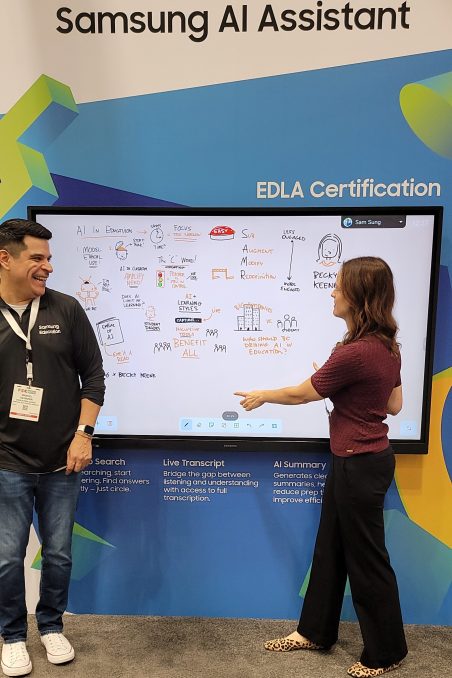
Powered by the Samsung AI Assistant, the WAFX-P helps educators turn lessons into dynamic, collaborative experiences by offering a more robust set of tools for organizing content, guiding discussion and facilitating formative assessments. Features such as Circle to Search, AI Summary and Live Transcript support exploration, comprehension and accessibility to revisit and reinforce key concepts from the curriculum.
“What I value most about events like FETC and TCEA is the opportunity to listen and learn from educators who are working with students every day,” said Dr. Micah Shippee, Director of Education, Display Solutions, Samsung Electronics America. “They’re planning lessons and creating learning environments that invite curiosity and exploration. Our role is to support that work through intentional design and tools that support discussion, collaboration and formative insight. Together, we can shape brighter futures for every learner.”
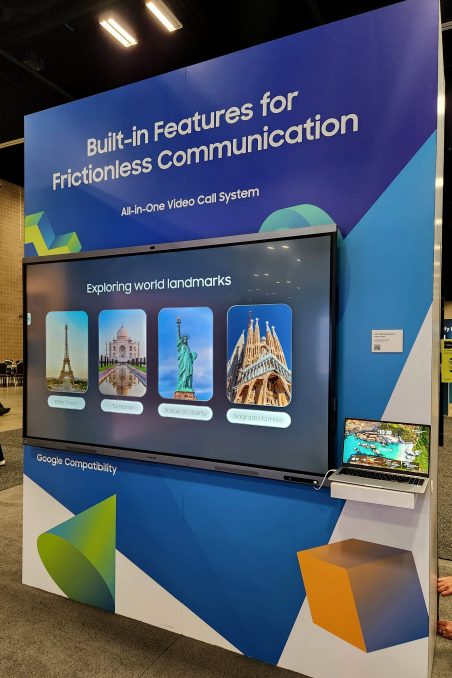
Designed to fit seamlessly into existing classroom workflows, the WAFX-P is Google EDLA-certified1, providing access to familiar tools such as Google Classroom and Google Drive and allowing educators to integrate existing lessons and materials without disruption. Available in 65-, 75- and 86-inch sizes, the WAFX-P supports a wide range of classroom environments. It builds on the success of its predecessor with more advanced hardware and expanded features, including a built-in 4K camera, all-in-one video calling capabilities and Android™ 15 operating system. Paired with 450-nit max brightness, a built-in microphone and 20-watt speaker, the display delivers smooth performance during multitasking and multimedia-rich instruction, as students write, draw and collaborate on the board in real time.
Exploring the Future of Teaching and Learning with Industry Experts
Last month at the Future of Education Technology Conference (FETC) 2026, Samsung convened expert voices to discuss how technology is evolving to support real classroom practice. According to Samsung’s 2025 State of STEM Education survey, 59% of educators say access to professional development, updated curriculum resources and better technology is essential to supporting student learning, underscoring the need for educator-led conversations about what works in today’s classrooms.
As a former educator of over 22 years, Dr. Shippee presented a session titled, “The Future of Teaching and Learning,” which examined the role emerging technologies play in enhancing—not replacing—great teaching, helping classroom instruction become more dynamic, responsive and impactful.
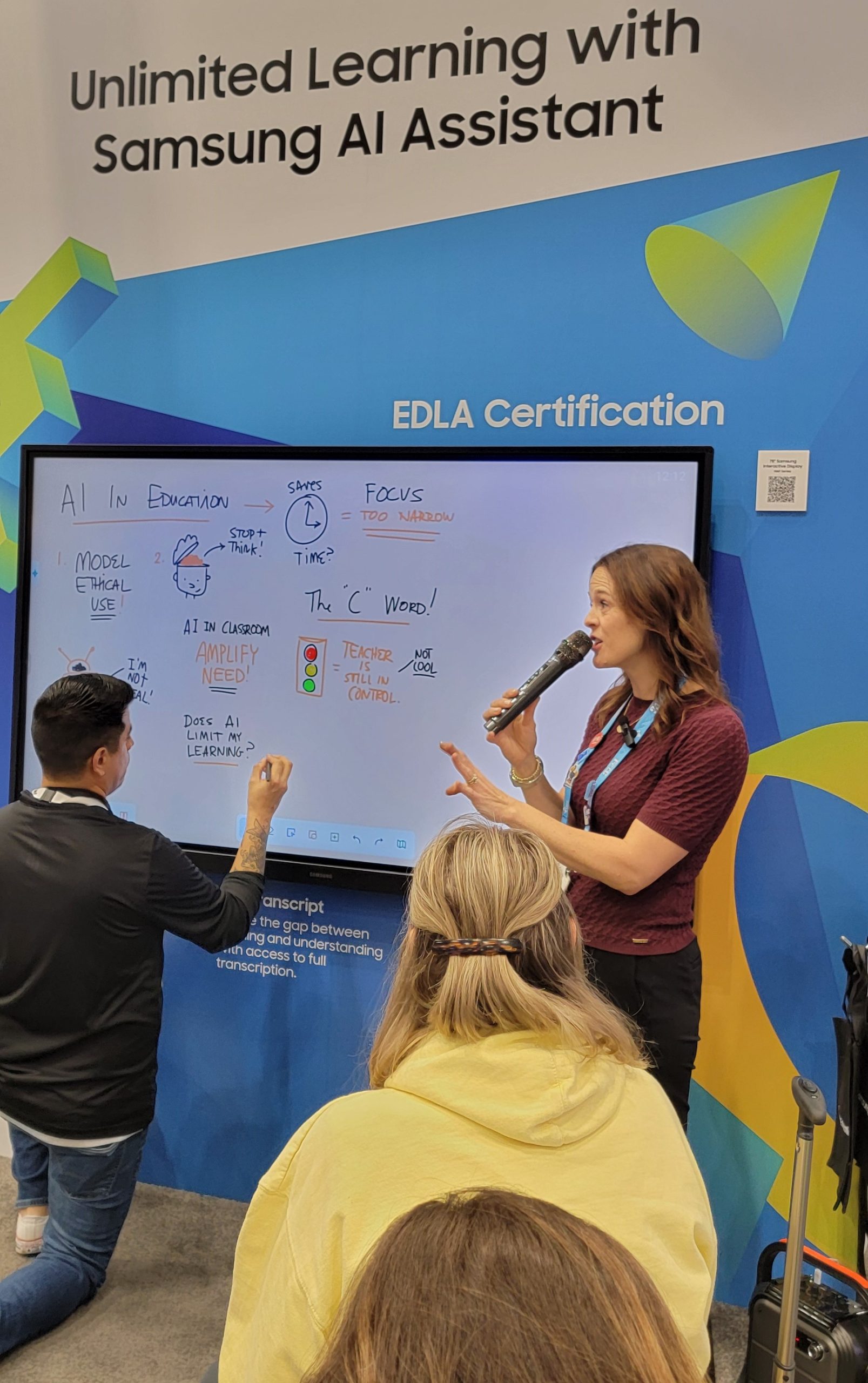
Samsung also welcomed Becky Keene, renowned educator, author and CEO of Phygital Labs, for an interactive Ask Me Anything (AMA) session tied to the themes of her book, AI Optimism: A Guide to Redefining Artificial Intelligence in Education. Her participation addressed a growing gap highlighted by the State of STEM Education survey. While 88% of educators believe AI will play a key role in their students’ futures, more than half (53%) report having no formal training in using AI in the classroom.
Drawing on over 20 years of experience as an educator and professional learning leader, Keene reframed AI as a practical, human-centered tool that can support creativity, equity and meaningful learning in today’s classrooms. During the AMA, educators engaged in hands-on discussions about how to practically apply AI tools in real-world settings, including lesson planning and classroom workflows. The conversations reinforced the way technology complements great teaching and encouraged educators to see AI as a partner to empower students as creators, not just a time-saver.