8 ways Samsung has shaped the evolution of foldables
14-09-2026
From hardware breakthroughs to more intuitive software and AI experiences, Samsung has helped shape that evolution – with the latest Galaxy Z8 series representing the next step in making foldables more useful, adaptable and effortless.
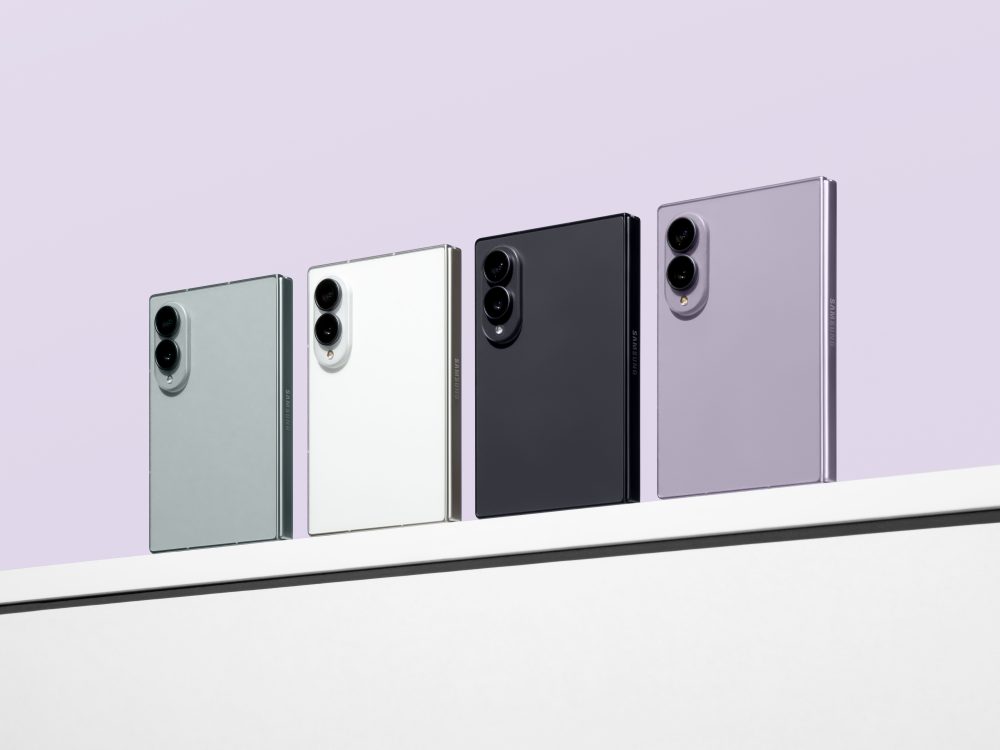
As foldable smartphones move from niche innovation to an increasingly established category, there is an interesting story to be told about what it actually takes to build a phone that folds — and what years of developing the technology have taught Samsung about the future of mobile.
Samsung has been at the center of that evolution, from the first Galaxy Fold in 2019 to the increasingly refined Galaxy Z family today. Along the way, it has learned that successful foldables are not created by solving one engineering challenge. They require continuous learning across hardware, software, AI and, perhaps most importantly, human behavior.
Here are eight areas where Samsung has pushed foldables forward.
1. Making foldables more durable
The visible innovation may be a screen that folds, but making that possible requires solving challenges around durability, materials, display support and hinge engineering – challenges that simply don’t exist on conventional smartphones
Samsung’s new Flex Titanium technology in the Galaxy Z series uses a titanium-based display structure to strengthen the display support, improve durability and reduce crease visibility, while helping enable a thinner device1.
2. Making the fold feel seamless and effortless
Years of development have shown that the hinge isn’t just a mechanical component – it affects how naturally a device opens, how thin it can be and how comfortable it feels in everyday use.
The latest Galaxy Z series combines refinements to the hinge mechanism, display tension and folding magnets to make unfolding smoother and more natural. On the Galaxy Z Fold8 Ultra, this contributes to a device measuring just 4.1mm when unfolded.
3. Turning bigger screens into new possibilities
Samsung has learned that additional screen real estate needs to enable genuinely different experiences, not simply provide more pixels.
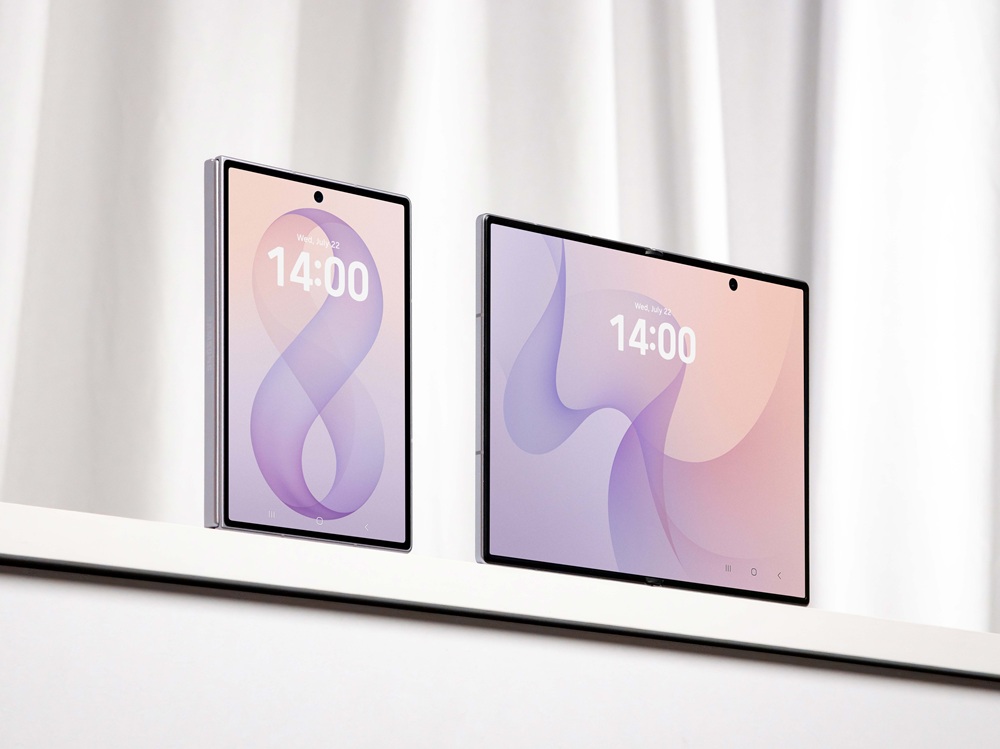
The Galaxy Z Fold8 introduces a new 4:3 main display, which is optimized for immersive viewing and gaming, while rotating the device creates a 3:4 ratio suited to reading and browsing. The larger canvas also supports content creation and editing through experiences such as My FanCam2.
4. Expanding what a foldable can look like
Consumer behavior has demonstrated that different people want different things from a foldable. Some want a larger workspace; others value compactness, self-expression or quick access.
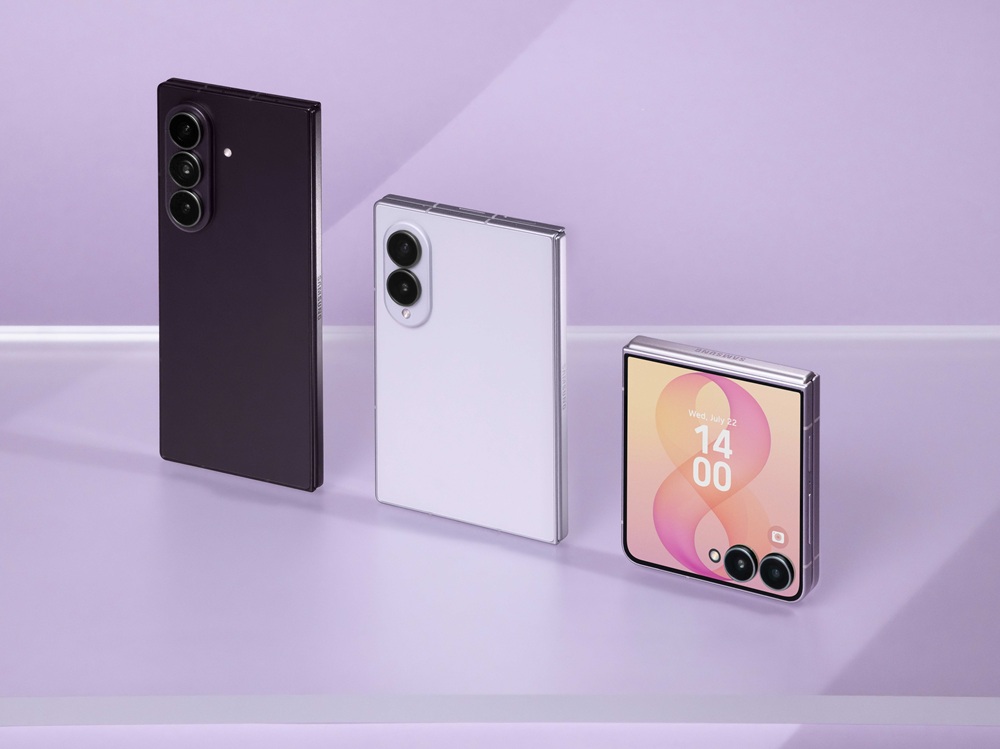
Samsung now offers three distinct foldable experiences: Galaxy Z Fold8 Ultra for productivity, Galaxy Z Fold8 for immersive discovery and Galaxy Z Flip8 for expression and quick interaction. These distinctions show how the form factor can be designed around different lifestyles rather than forcing consumers into just one definition of a foldable.
5. Making hardware and software work as one
A phone that physically changes shape also needs software that can change with it. The experience has to flow naturally between screens, orientations and modes.
Samsung has increasingly designed the software experience around the physical flexibility of the devices, from Multi Window, AI-powered multitasking with Now Nudge3 and Gemini Notebook4 on the Galaxy Z Fold8 Ultra, to a more capable FlexWindow on the Galaxy Z Flip8, where users can access apps, information and actions without unfolding.
6. Bringing AI into the foldable experience
The next stage of smartphone AI isn’t simply about generating an answer. It is about understanding what the user is doing and helping them move from information to action.
Agentic AI is integrated into the Galaxy Z8 experience, helping users move more naturally between information, apps and actions. On Samsung’s new foldable series, the expanded screens also create a natural canvas for AI-powered productivity, including Gemini Notebook, which can bring together information from different sources and help users organize and work with their thoughts and content in one place. And ultimately, get more done.
7. Removing the barriers to better experiences
Years of real-world use have shown that users prefer the least amount of hassle when it comes to using their devices. Adapting to a new device starts even before the first use, so switching devices itself needs to feel effortless.
The latest generation of the Galaxy Z series brings greater flexibility not just to how consumers use their devices, but how they move into the Galaxy ecosystem. With Smart Switch5, users can wirelessly transfer important data such as contacts, photos, messages, apps and settings from their previous devices, including from iOS. With One UI 9 on the latest Galaxy Z series, iOS device users can initiate the transfer simply by scanning a QR code, remove another barrier to switching.
8. Turning a new form factor into a complete ecosystem
Perhaps the central takeaway: every generation creates new questions around engineering, usability and consumer behavior. The experience of answering those questions, generation after generation, becomes an advantage in itself.
The new Flex Titanium display structure, thinner form factors, redesigned display ratios, more capable FlexWindow experiences and deeper agentic AI integration – all of these features, and more, show how the eighth-generation Galaxy Z Series represents the cumulative result of years of iteration and consumer insight.
- Compared to previous Galaxy Z series models. ↩︎
- My FanCam requires a Samsung account login. Video must be 720 x 720 pixels or higher. Results may vary. ↩︎
- Now Nudge feature requires a Samsung Account login. Available functions and features may vary by country, region and language. Text message prompts available with Samsung Messages and certain third-party messaging apps including Google Messages, Google Chat. Split view supported apps may vary. Share photos in Now Nudge works by analysing available image content. Accuracy of results is not guaranteed. ↩︎
- Gemini is a trademark of Google LLC. Terms apply. By subscribing, you agree to terms for Google One, YouTube and offers. Offer ends Aug 1, 2027 at 11:59pm PT. Unless canceled earlier, Google One will charge RM97.99/mo after the trial ends. Cancel anytime. Return of purchased device may result in cancellation of subscription. See full terms at https://one.google.com/offer/terms-and-conditions/SamsungAIPro. ↩︎
- Transferable data may vary depending on the device OS (Android or iOS), OS version and connection method. Data transfer from an iOS device to a Galaxy device using the upgraded method is available on devices running Android 17 or later and iOS 26.6 or later in regions outside mainland China ↩︎


