Shaping the Next Generation of Enterprise Spaces: How Samsung is Powering the Growth with Digital Appliances
14-10-2026
For years, the conversation about smart appliances centered on the home. That intelligence, connectivity and reliability is now expected across the built environment. Across Southeast Asia and Oceania, it’s moving into residential developments, hotels, offices and retail spaces.
With our broad portfolio of integrated B2B solutions, Samsung is supporting the growth of businesses and building owners in the region by addressing their evolving operational needs across heating, ventilation and air conditioning (HVAC), home appliances, as well as smart management technologies. Equipped with a deep understanding of what our enterprise partners need and prioritize, we strive to deliver innovative technologies that can help reduce energy consumption and manage operating costs.
The expansion of our enterprise sales for instance, already reflects the trust that we have earned from our customers – B2B sales in the region have increased by more than 20% year-on-year.
Why HVAC Has Become a Growth Engine
Southeast Asia and Oceania’s building and construction sector is growing at a steady pace, whether it is building new smart cities and towns or rejuvenating old ones. Southeast Asia and Australia’s construction industry is forecasted to grow more than 5x faster1 than the global rate in 2026. What’s particularly exciting is the region’s appetite for what’s next, from high-tech manufacturing plants to AI data centers that will define future economies.
Every one of them needs cooling that is smarter, more efficient and more reliable than what came before. That’s why HVAC has become a key growth driver of our business – the B2B segment now makes up more than half of total HVAC sales, with the proportion almost doubling from five years ago – and we believe it’s only getting started.
Our acquisition of FläktGroup brings us closer to that future by deepening our expertise in HVAC systems and enabling us to serve the most demanding environments, such as AI data centers where cooling and ventilation are critical to keep crucial systems and operations going.
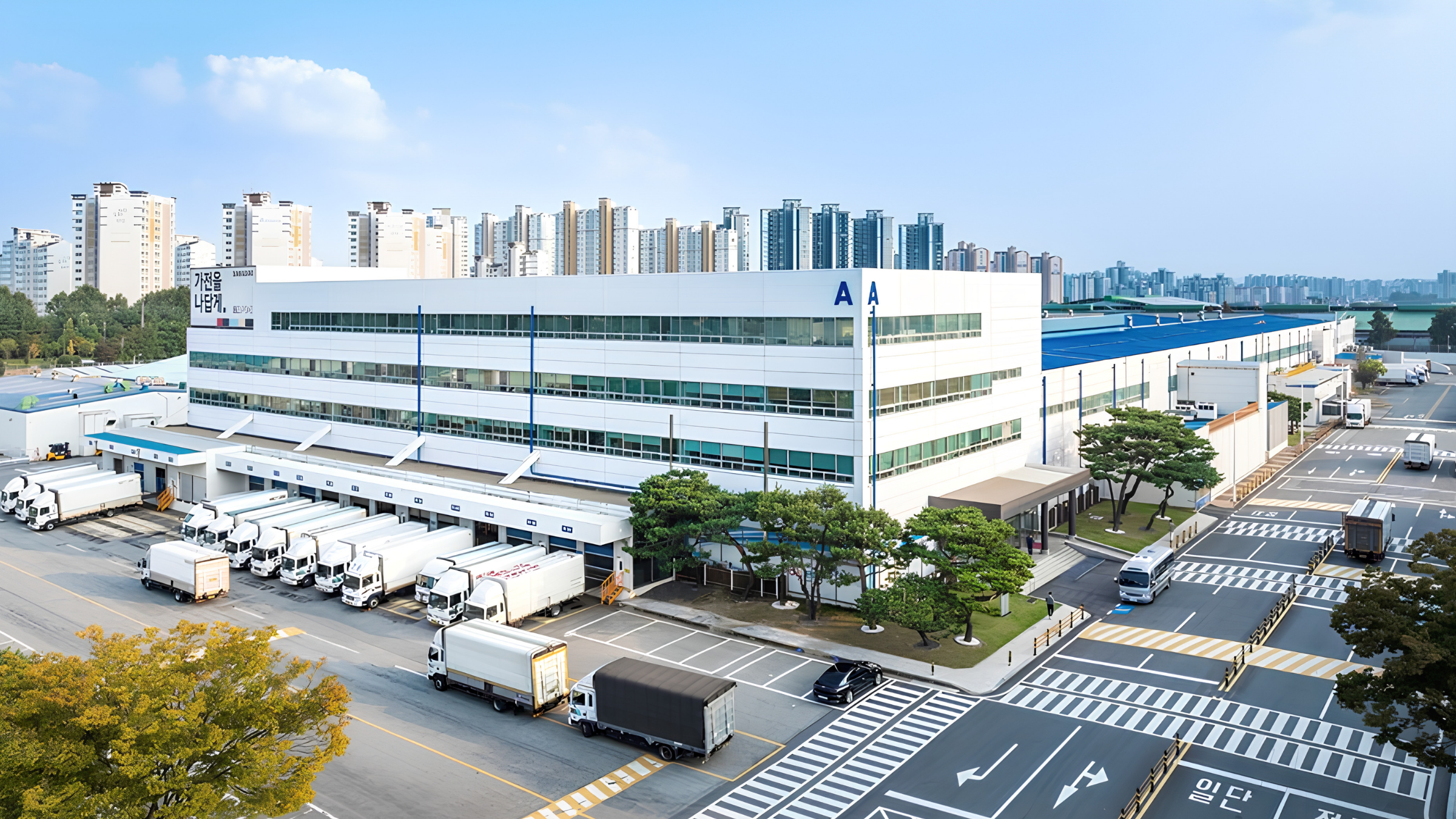
Here in this region, demand is rising across a diverse range of building types. In Vietnam, we’re supplying around 3,000 WindFree air-conditioning units to high-rise apartments as part of CapitaLand’s Sycamore development in Ho Chi Minh City, while more than 3,000 air-conditioning units will be installed in Starlake, a mixed-use complex in Hanoi.
In Thailand, we have rolled out HVAC systems across Thaiwatsadu’s retail stores which are also supported by SmartThings Pro to manage energy efficiency and simplify operational management. Additionally, 600 rooms in the 29 buildings of Sheraton Naiharn Hotel & Resort in Phuket will be outfitted with WindFree air-conditioning units. In Sydney, Australia, our cooling systems have been incorporated in residential projects such as Arncliffe Central and AURA by Aqualand.
Whether it’s a beach resort, or a cutting-edge data center, our comprehensive portfolio means that there are always suitable cooling solutions for diverse needs.
Extending the Opportunity Beyond Cooling
HVAC is not the only category that businesses are paying attention to. Urbanization, changing lifestyles and growing demand for convenience are also driving adoption of suitable laundry solutions in B2B business sectors.
Building on decades of expertise in consumer appliances, we have expanded our laundry lineup for broader capacity choices to meet various B2B needs in Indonesia, Malaysia, the Philippines, Singapore, Thailand and Vietnam, with plans to bring our B2B laundry solutions to more markets in Southeast Asia and Oceania by the end of 2026.
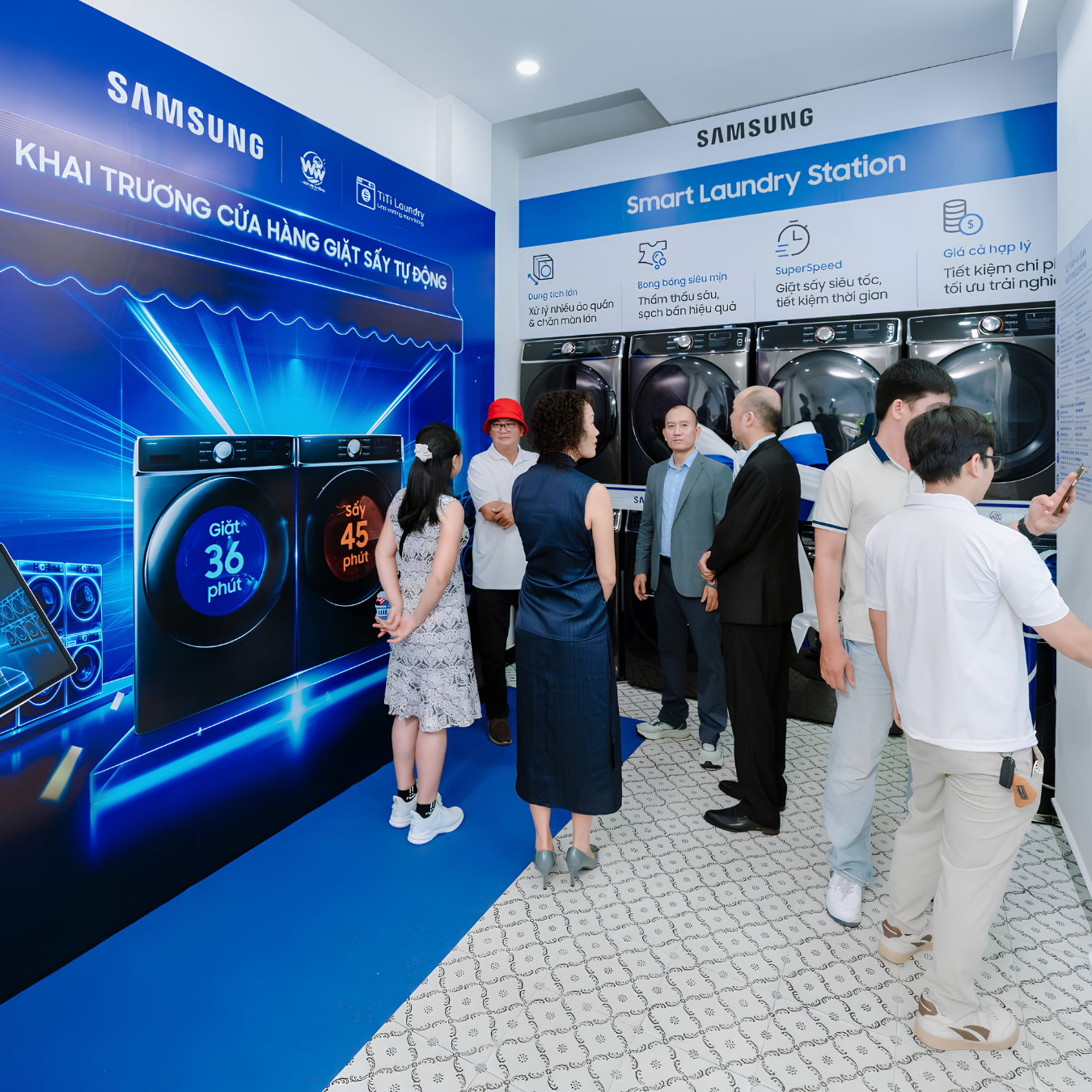
TiTi Laundry in Ho Chi Minh City is one recent example. As one of the first partners that we collaborated with to expand the B2B laundry model in Vietnam, it is open around the clock, with machines that can be monitored and managed remotely. This business model allows connected appliances, such as Samsung’s B2B Laundry solutions, to create new business opportunities for operators, while making everyday life a little easier for the people they serve.
Building Smarter Business Environments
Together, these developments point to a broader change in how businesses are thinking about their physical spaces. Beyond standalone products, our customers increasingly want connected solutions that simplify management across an entire property, instead of having to look after individual systems.
This is taking shape at Granz Forest Park in Cebu, the Philippines, where we have partnered with real estate developer, DH Plus, to provide integrated operational solutions that combine AI-powered appliances, SmartThings Pro, and connected technologies within a single ecosystem, spanning residences, hotel and commercial facilities.
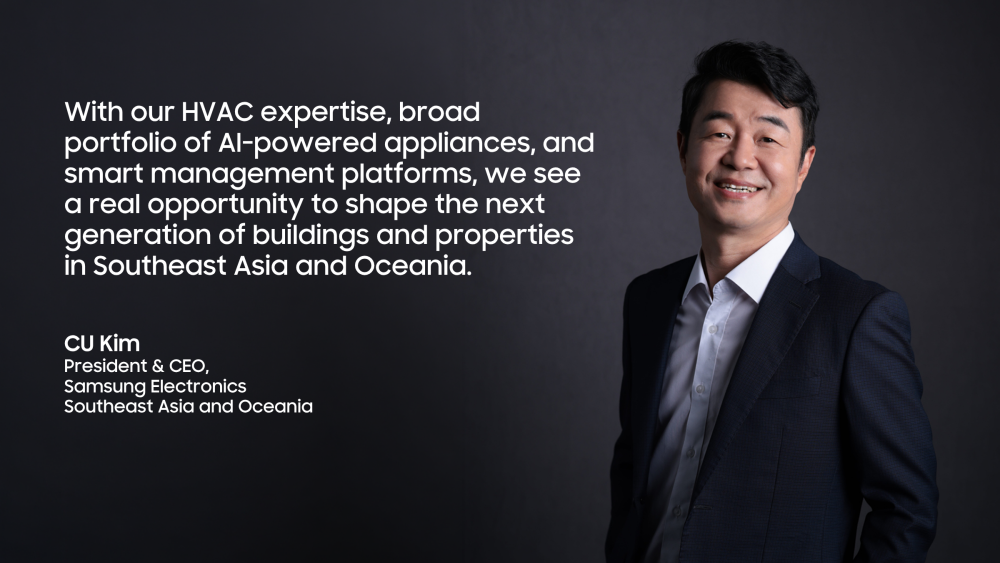
By offering technological expertise, an extensive suite of AI-powered appliances, and smart management platforms, Samsung is enabling businesses and building owners to construct and maintain spaces that are tailored to what users need, and opens new ways to optimize and expand their operations. Through integrated solutions that empower enterprises to optimize operations, reduce costs, and confidently scale up, we are shaping the future of buildings and properties in Southeast Asia and Oceania, supporting the region’s further growth and development.
For any issues related to customer service, please go to samsung.com/my/support for assistance.
For media inquiries, please contact samsung@priority.net.my