Unfolding Innovation: A Look At The Galaxy Z Series Over The Years


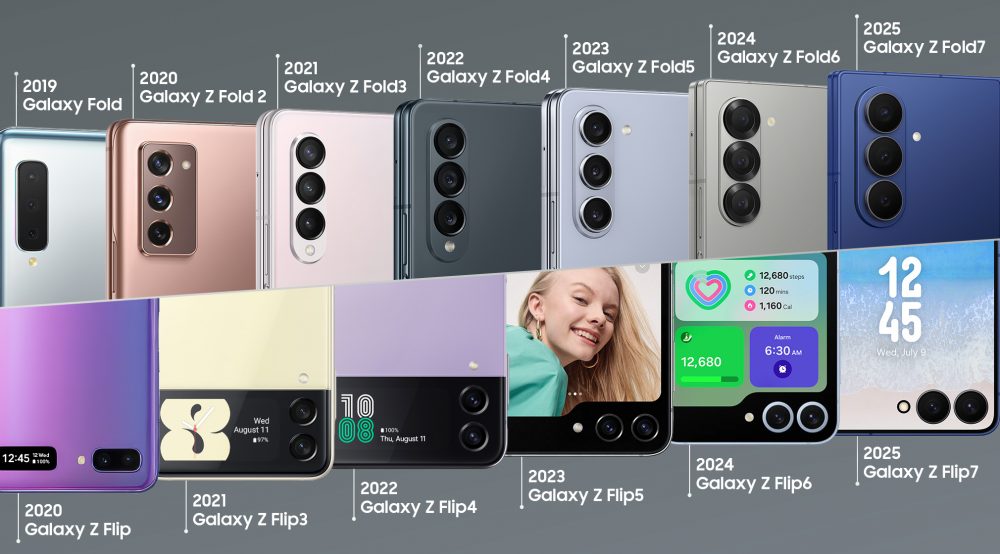
Back in the early 2000s, the idea of a folding smartphone sounded like science fiction. It was almost unimaginable, how would a touchscreen even bend? Wouldn’t it just snap or break after a few flips?
Fast forward to 2019, Samsung did just that. When the first Galaxy Fold was introduced, it did more than launch a new device — it opened a new chapter in mobile technology. At a time when most smartphones had similar designs, Samsung took on one of the industry’s most complex engineering challenges: creating a phone that could transform from a compact handheld device into an expansive, tablet-like one.
Since then, the Galaxy Z Series has become a showcase of Samsung’s ability to turn bold ideas into everyday experiences enhanced by innovation. From the book-style Galaxy Z Fold to the pocketable Galaxy Z Flip — and now the multi-folding Galaxy Z TriFold — Samsung has consistently reimagined what a smartphone can be.
With every generation, the formula got sharper –
- Tougher hinge: Refined folding mechanism and strengthen durability
- Sleeker form factor: Reduced thickness and weight, while increasing endurance and maximising screen utility
- Personalised experiences: New AI-powered experiences that made foldables more practical, personal and powerful
Here’s a walk-through of the evolution of Galaxy Z Series Foldables, and how it has evolved to meld innovation with form factor, to fit users’ ever-changing lifestyles.
2019: The Galaxy Fold ushers in a new chapter in smartphone innovation
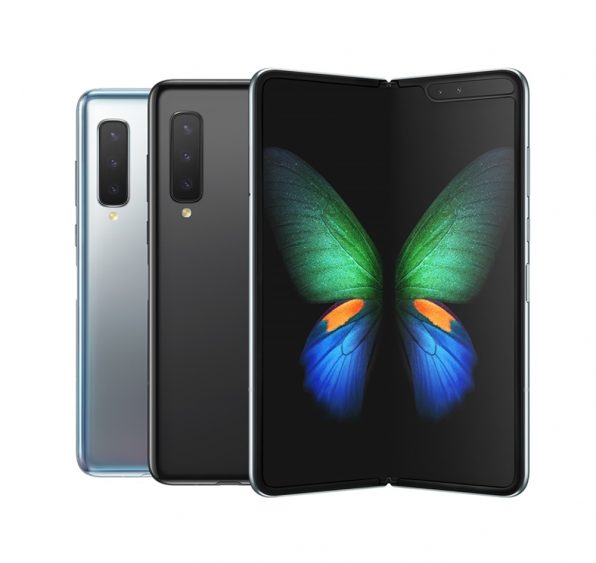
A phone that unfolds and folds. The original Galaxy Fold introduced a fundamentally different way to use a smartphone. By applying a never-before-seen hinge technology, Galaxy Z Fold users were able to move between a compact screen which felt familiar, and a large, unfolded screen that provided a large canvas for multitasking and productivity.
2020: Galaxy Z Flip offers new foldable experience
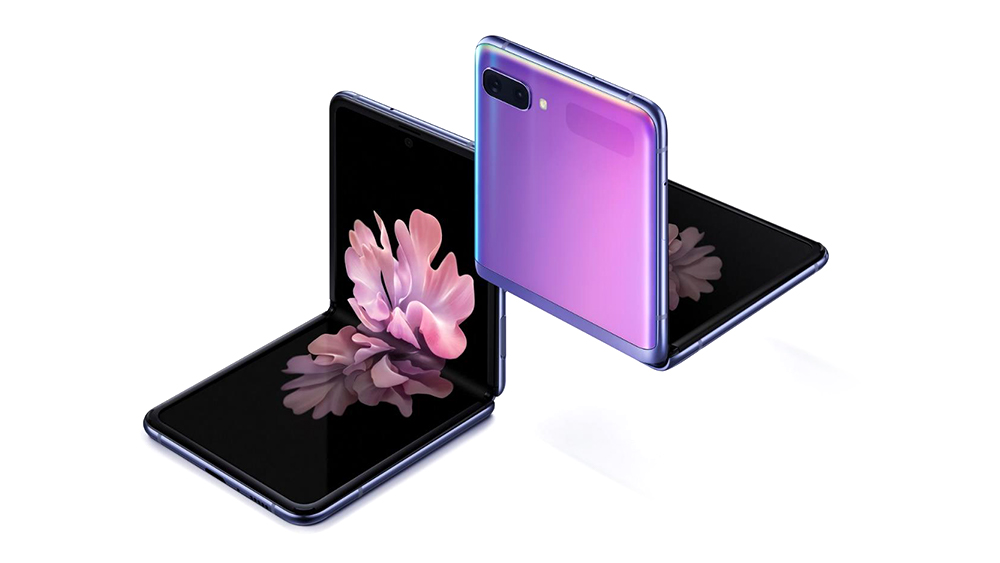
The pocketable Galaxy Z Flip was released one year after. It was a device that folded effortlessly in half and could stand upright on its own, reminiscent of a pocket cosmetics case. It was also the first foldable with a folding glass screen (utilising Samsung’s proprietary Ultra Thin Glass), which enabled the production of this new form factor.
2020: A Hideaway Hinge creates new Flex Mode experiences
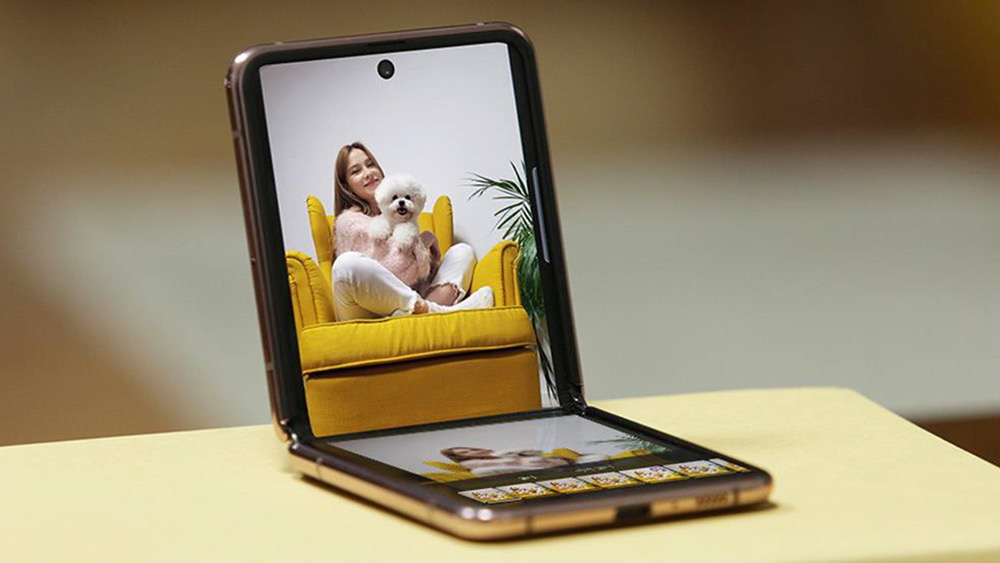
In 2020, the Galaxy Z Fold 2 and Z Flip featured a Hideaway Hinge design, which seamlessly connected the body of the smartphone while supporting stable folding and unfolding. This resulted in Flex Mode, where users can securely fold, angle and position their devices, which was helpful for taking hands-free photos or making video calls.
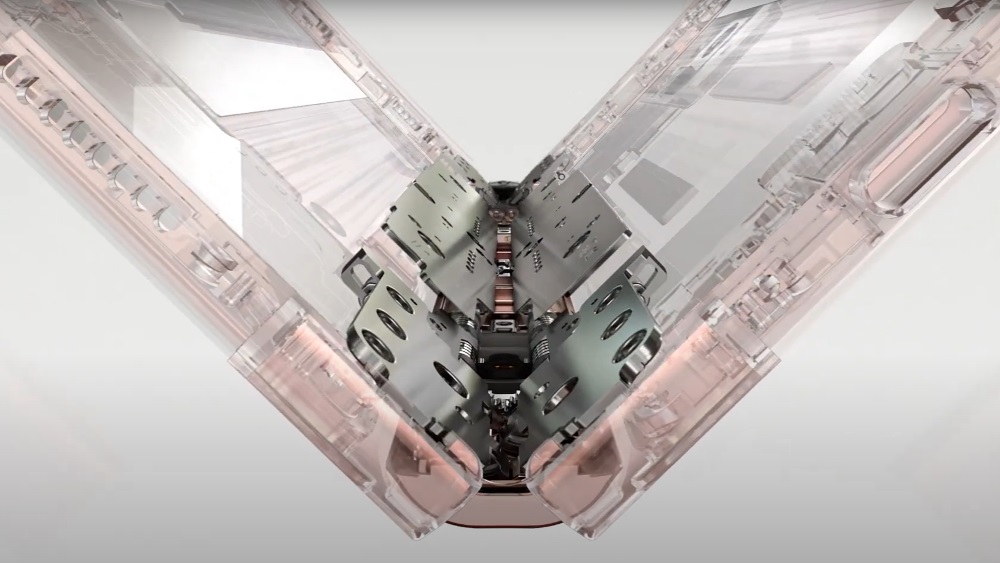
Flex Mode also automatically divides the screen into two when the device is folded. In collaboration with various partners, Samsung was able to enhance the usability if this feature. For example, in the Camera App, users could preview the viewfinder on the top while adjusting the camera modes or lenses on the lower half of the screen.
2021: Making the Galaxy Z Fold3 and Z Flip3 more durable
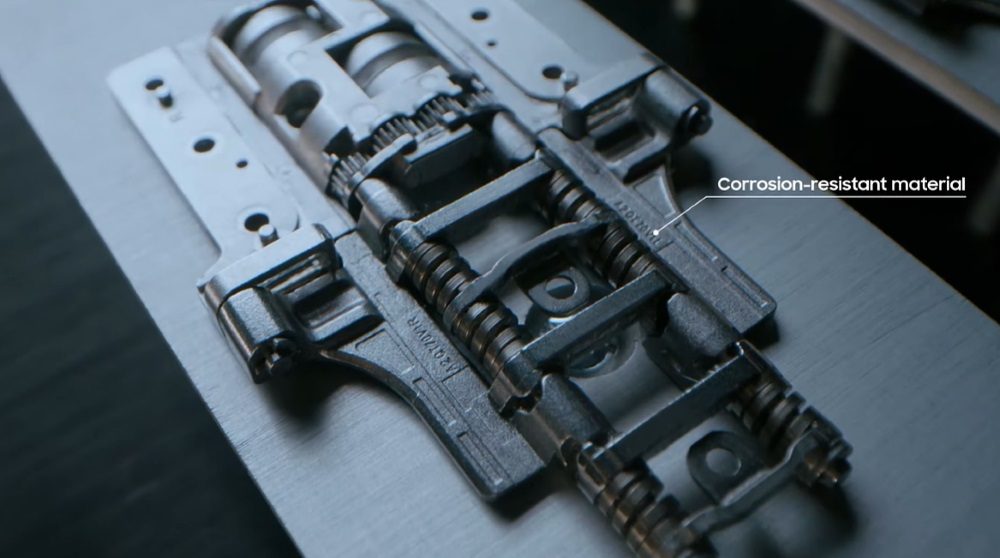
Foldable devices are more exposed to environmental elements, especially at the hinge. The Galaxy Z Fold3 was the first foldable to be water resistant, with waterproofing technology applied to the outer part of the display and the hinge.
The hinge was further enhanced through the use of corrosion-resistant materials, and other design enhancements were introduced to prevent liquid from entering the device.
The Galaxy Z Fold3 used Armor Aluminium for an even thinner and lighter form factor, but it also helped to withstand shocks and reduces the risk of deformities or scratches.
The Galaxy Z Flip3 also offered improved durability and water resistance through an Armor Aluminium exterior, and Corning® Gorilla® Glass Victus®, safeguarding users’ smartphones for any condition. A new protective film placed on the main display improved durability compared to the previous generation. The Galaxy Z Flip3 was also the first in the Galaxy Z Series Foldable line-up to be equipped with IPX8 water resistance — breaking new ground and granting users peace of mind.
2022: A refined Galaxy Z Fold4, and a bespoke Galaxy Z Flip4
Redesigned to be 21% lighter than the Galaxy Z Fold3, the Galaxy Z Fold4 prioritised a refined experience that feels lighter and easier to grip. This was possible through a redesign of the hinge motion, which reduced the weight, thickness and number of parts, while improving the device’s resilience.
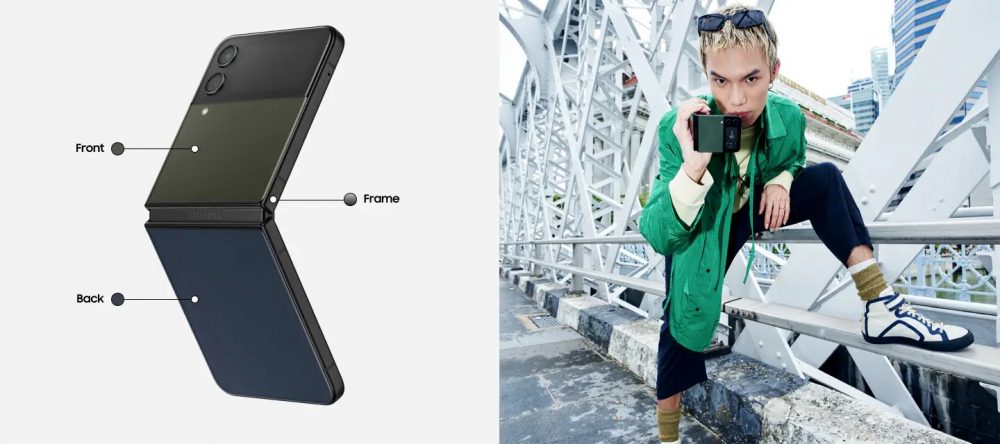
And to address consumers’ desire for personalisation, the Galaxy Z Flip4 Bespoke Edition created new opportunities to express individuality. With 75 potential combinations, they could make their very own Galaxy Z Flip4 from a combination of five glass colours, including Yellow, White, Navy, Khaki and Red, and three frame colour options, including Silver, Gold and Black.
2023: An ultimate self-expression tool is born with Galaxy Z Flip5
The Galaxy Z Flip5 introduced the new Flex Window – a full cover screen that offers greater usability even before unfolding the phone.
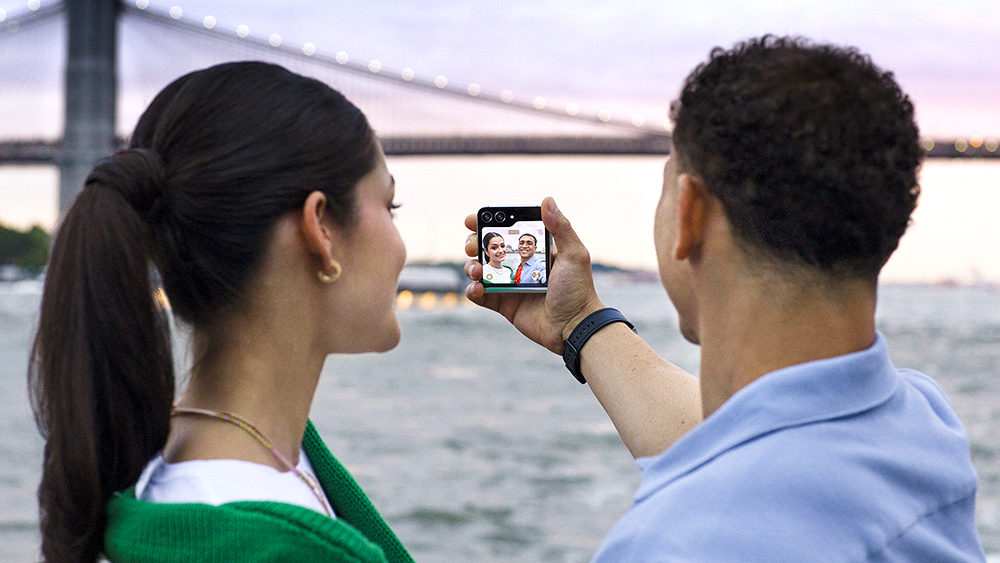
The Flex Window allows users to easily check and control Widgets, including weather, stock market, music and other apps. The wider Cover Screen and fully accessible QWERTY keyboard make checking and responding to phone calls and messages even easier.
The new Flex Window found on Galaxy Z Flip5 provides an innovative, versatile camera experience. To snap a selfie with the rear camera, users can conveniently check their smile on the Flex Window before capturing stunning, hands-free photos from creative angles before correcting the colour and tone. The camera-stabilising Super Steady feature also ensures that users take smooth shots on the go. With improved Nightography capabilities to optimise photos in low lighting and digital 10X zoom, users can unleash their creativity anywhere, anytime and at any angle.
2024: A slimmer, AI-packed foldable
2024 was the first year Galaxy AI was introduced. Built on the foundation of Samsung’s history of form factor innovation, Galaxy AI uses powerful, intelligent, and durable foldable experience to accelerate a new era of communication, productivity, and creativity.
Galaxy Z Fold6 and Z Flip6 brought together AI and a more refined design that made it even more comfortable for users to operate. Galaxy AI features such as Note Assist, Sketch to Image and more offers consumers access to easy productivity and creativity tools that significantly reduces time spent on menial tasks like notes taking or brainstorming.
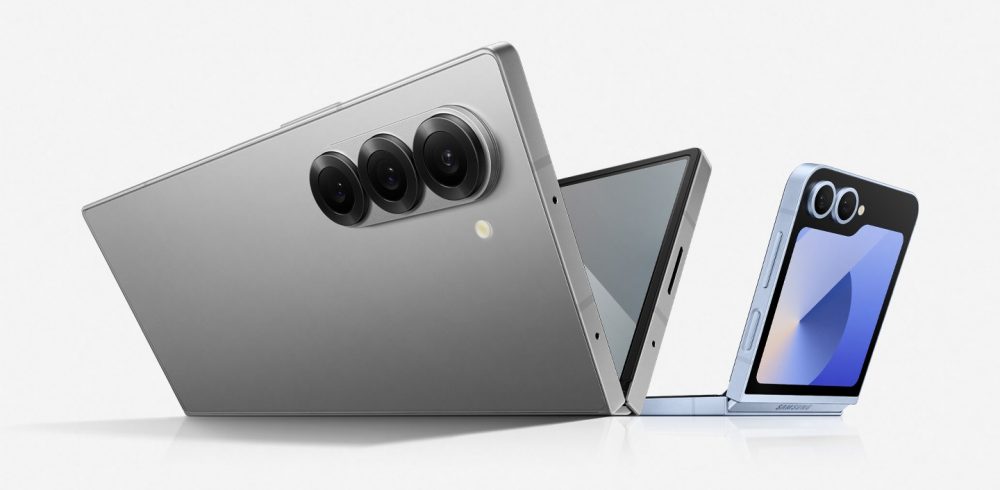
Through Samsung’s longstanding partnership with Google, the new Galaxy Z Fold6 and Z Flip6 offered consumers an AI-powered assistant that could help address everyday queries.
AI also extended to the ways consumers could customise their phones. Photo Ambient on the Galaxy Z Flip5 allowed users to have wallpaper that changes in real-time based on the time and weather.
2025: Raising the bar for foldable smartphones
In 2025, Samsung delivered its thinnest and lightest Galaxy Z Fold to date[1]. The Galaxy Z Fold7 carried “Ultra” features with Galaxy S Series’ pro-grade experience, starting with a 200MP wide-angle camera, a first in the Galaxy Z Series.
The Galaxy Z Fold7 is 8.9mm thick – almost half the thickness of the original Galaxy Fold and weighs just 215 grams (or the weight of a block of butter). It is even easier to operate with one hand, and have quick actions via the Cover Screen.
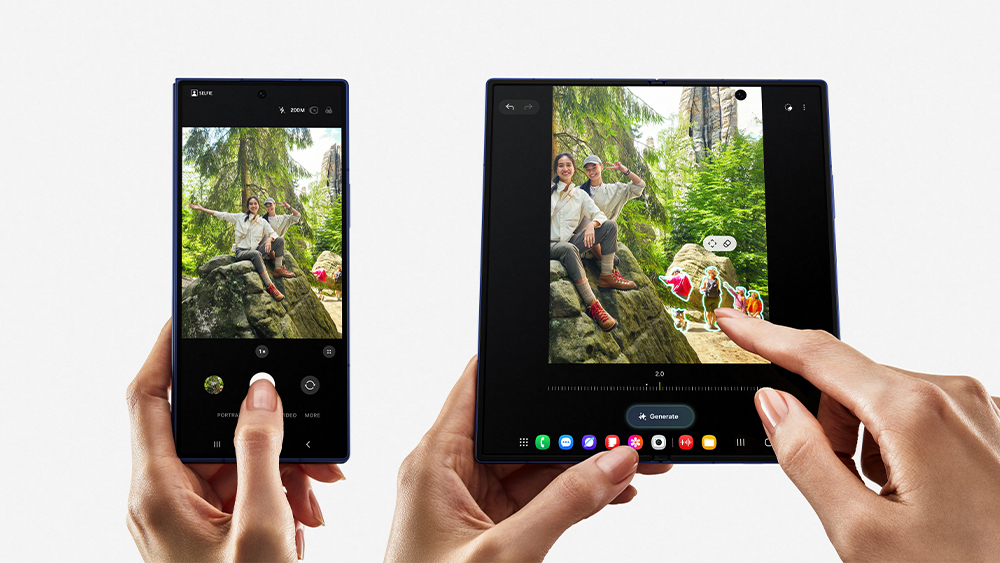
It also carried AI-powered experiences with the integration of Gemini Live, as well as Now Bar and Now Brief, which helps consumers stay on top of their day, or even be a helpful assistant to address their questions.
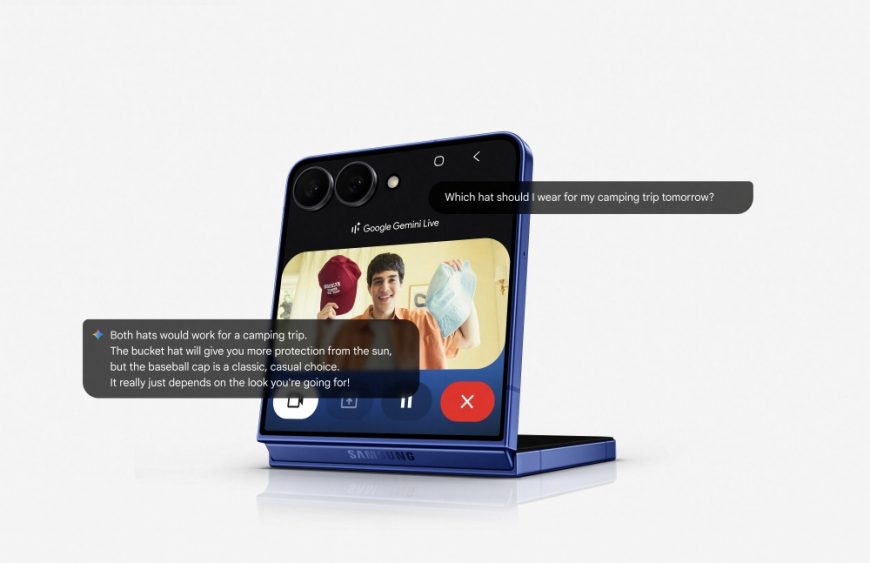
With the Galaxy Z Flip7, an edge-to-edge FlexWindow was introduced where consumers can see a summary of updates or address quickly messages with suggestions. The 50MP wide and 12MP Ultra-Wide lens also help consumers to capture important moments with clarity. This includes taking a high-quality selfie, right from the cover screen.
2025: A new foldable entrant enters – the Galaxy Z Trifold
Samsung introduced a new foldable form factor – the Galaxy Z Trifold. The unique multi-folding experience uses an inward-folding design to protect the main display against unforeseen incidents.
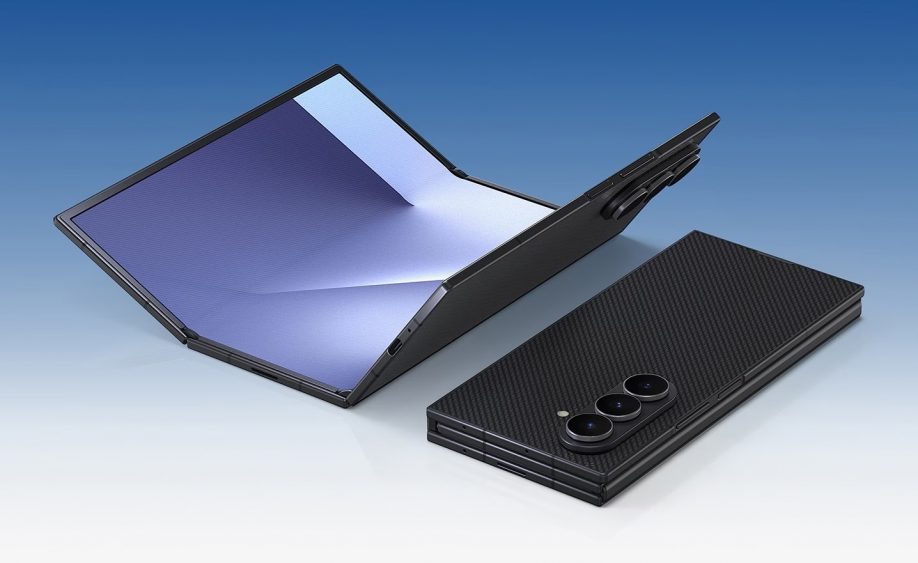
But beyond the unique form factor, the Galaxy Z Trifold has a 10” screen (when unfolded), perfect for cinematic content or multi-tasking. In fact, the Galaxy Z Trifold performs like three 6.5-inch smartphones, empowering users more room to multitask.
It goes without saying the hinge on the device has undergone rigorous testing, as Galaxy Z TriFold’s main display undergoes a 200,000-cycle multi-folding test — equivalent to folding the device approximately 100 times a day for five years, along with a series of scenario-based evaluations.
The Galaxy Z Trifold was initially sold out in Singapore as early adopters wanted a piece of the innovation.
2026: What’s next for Samsung Galaxy Z Series?
The evolution of the Galaxy Z Series reflects Samsung’s long-term commitment to meaningful innovation. What began as a bold rethinking of the smartphone, has become a steadily refined platform for productivity, creativity and mobile freedom.
Each generation has solved a different challenge: making the hinge smoother and more durable, the body thinner, the display stronger, the experience more versatile and the device more intuitive.
So, what’s next for Samsung’s Galaxy Z Fold and Flip smartphones?
You’ll have to wait just a little longer. But if history has taught us anything, it’s that there’s always another side waiting to be discovered.
[1] Weight may vary by country or region. The thickness of Galaxy Z Fold7 when unfolded does not include the frame of the Main Screen.
Products > Mobile
For any issues related to customer service, please go to samsung.com/support for assistance.
For media inquiries, please contact samsungsg@infom.asia.


