[Editorial] Testimonials from Educators: Impact of Samsung Solve For Tomorrow 2026 Competition to Participating SA Schools
18-09-2026
An Inclusive & Special Programme - Developing Learners from Under-Resourced Schools as well as Country’s
Young People with Learning Barriers & Physical Disabilities
JOHANNESBURG, South Africa – September 2026 – The 2026 Samsung Solve For Tomorrow (SFT) Competition is continuing its quest of inspiring a generation of critical thinkers and young tech innovators who are passionate about solving South Africa’s most pressing social, economic and environmental challenges.
With the help of Samsung mentors and educators; this STEM-based (science, technology, engineering and mathematics) competition challenges learners to identify real issues in their communities and develop practical, technology-driven solutions that create meaningful social impact. Samsung has taken the time to speak to four (4) educators from the Top 20 schools in this year’s SFT Competition.
These conversations sought to evaluate what impact this competition is making in the lives of both the learners and the educators; as well as the broader community, more specifically the schools they are representing. When asked, this is what these educators had to say:

Tyron Greyling is an educator representing Cape Recife High School – a special needs school in Gqeberha, Eastern Cape. He taught CAT (Computer Applications Technology) and Digital Technology at Cape Recife before moving to a new school recently. However, he’s still working closely with his team back at Cape Recife with learners who are excited to present their prototype to a panel of Judges at the finals in Johannesburg on 02 October.
According to Greyling, he took the initiative to apply for the SFT programme online early in the year, putting his school and its learners forward for the competition. He expressed the importance of such competitions because this platform has given his learners hands-on exposure to technology and problem-solving skills that can shape their future studies and career paths. Greyling added: “The competition’s impact has been felt across the whole school. Everyone is genuinely excited; it’s sparked real interest among our younger learners, who are already looking forward to getting involved in the future.
Our School Governing Body (“SGB”) and other educators in our school have also expressed how incredibly proud they are of what the team has managed to achieve so far”
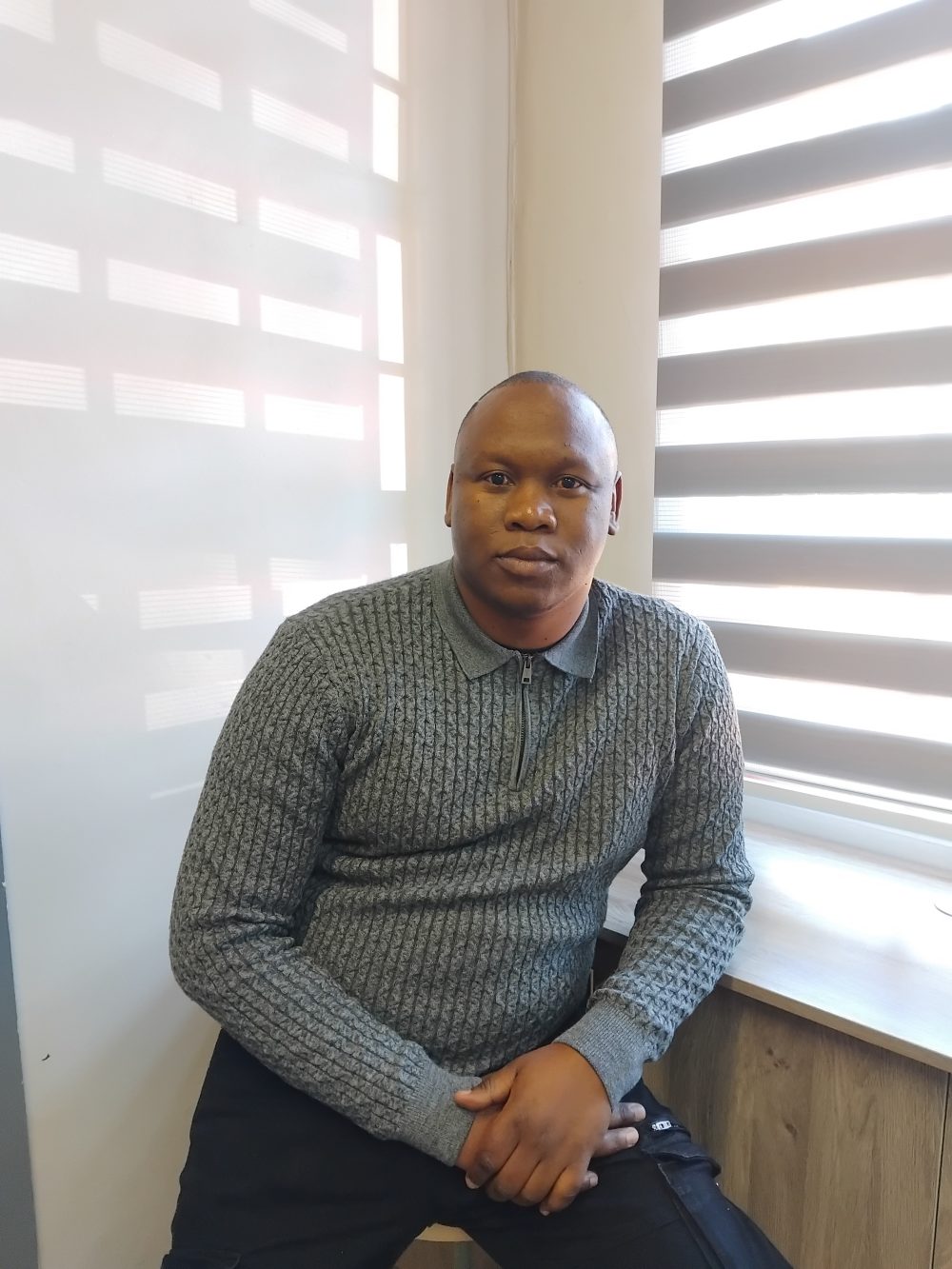
Samsung also spoke to Nkosiyomuzi Joseph Zimu, an educator from Klerksdorp Secondary School located in an area called Manzilpark in the North West province. Zimu mentioned that when he heard about the competition, he grabbed it with both hands because he knew that the learners he teaches who come from economically disadvantaged families – needed this opportunity more than ever.
He stated that this competition has opened the eyes of his entire institution and has made them realise just how smart their learners are. In addition, they now understand that with proper guidance – their learners could achieve much more. Zimu also touched on how this SFT Competition has helped to improve the relationship between the learners and teachers.
This educator is convinced that competitions like these are able to unite communities, and he clarified by saying: “We never thought we would be forced to collect information from those outside our school, but we knew that in order to complete the project; our success depended on the knowledge of others within our community.”
Zimu also acknowledged how beneficial this competition has been to their educators as well, and said: “We have now learnt to work as a team; this SFT Competition has helped us appreciate the fact that this is not about one teacher but about the school as a whole. We now know that collectively we can build a better community.”
Another educator, Thabang Jethro Leshaba who has been representing Florapark Comprehensive High School that’s located in Polokwane. Leshaba teaches Physical Science in Grades 11 and 12; and is also the main organiser of the school’s Science Projects Committee. Part of his responsibilities include ensuring that his learners participate in competitions that focus on STEM subjects. He is another educator who’s confident about his school’s chances of winning this year’s competition.

Leshaba said that he became aware of the SFT Competition a day before the closing date. But in spite of the short notice, was able to immediately identify learners whom he believed had the academic ability, commitment and potential to participate well in the competition. He said: “Since our project made it into the Top 20, the school has announced it to the entire community and the project has also been displayed throughout my classroom. A lot of learners, particularly those taking Mathematics and Science have become intrigued by the idea.”
He also added that they have seen a growing interest in the project from learners and educators who participate in sport at their school. “Through our participation in this SFT Competition, he expanded: “our school learners have started to realise that what they learn in STEM subjects can be applied in real-life challenges as well as different fields, including sport. And, this competition has also helped us reinforce an important message – that science is everywhere and sport itself is made possible in many ways by science and technology.”
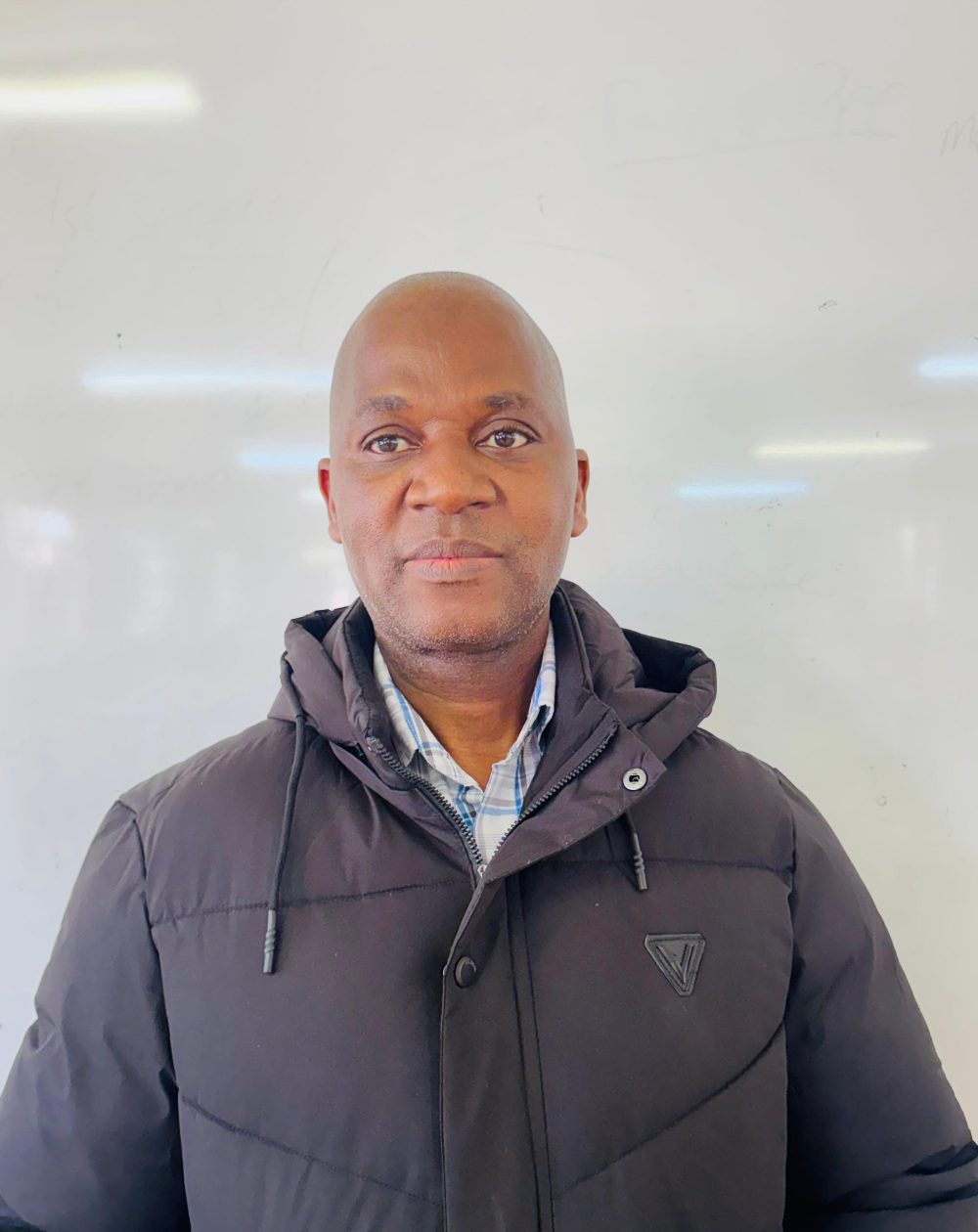
The fourth and last educator that Samsung spoke to is: Tendayi Gilbert Jobi from Kgomotso High School in the Northern Cape. This educator teaches both Natural and Physical Sciences. Jobi said when he came across information on the Samsung SFT Competition, he saw it as a great opportunity for his Grade 10 learners to participate in. He then guided them in the process of identifying a real community problem related to environmental sustainability through technology.
Jobi explained further and said that this competition has transformed their school in many positive ways. It has inspired both learners and teachers to embrace innovation, creativity and problem-solving. According to Jobi, this competition has also shifted learning beyond the classroom by encouraging their learners to apply scientific and technological knowledge to solve real-life community challenges. And furthermore, he is convinced that this competition has also raised the profile of their school. He said: “being selected among the Top 20 schools in the country has brought our school the much-needed recognition”.


