Samsung Celebrates Remarkable Level 1 BBBEE Accomplishment for 8th Consecutive Year
24-04-2026
Highlighting Commitment that Transcends Mere Compliance – An Enduring Dedication to Meaningful Economic Transformation in South Africa
Samsung has reaffirmed its commitment to the country’s transformation agenda by maintaining its Level 1 B-BBEE (Broad-Based Black Economic Empowerment) for the 8th consecutive year – continuously achieving a high standard of performance in transformation.
When Samsung entered the African continent through the establishment of the South African office in 1994, the company committed itself to empowerment initiatives that demonstrate real impact. Samsung’s profound, long-term and impactful dedication to transformation which transcends mere compliance – is a clear indication of its ongoing commitment to driving meaningful and sustainable economic renewal, diversity and inclusion within its businesses and the wider South African business landscape.
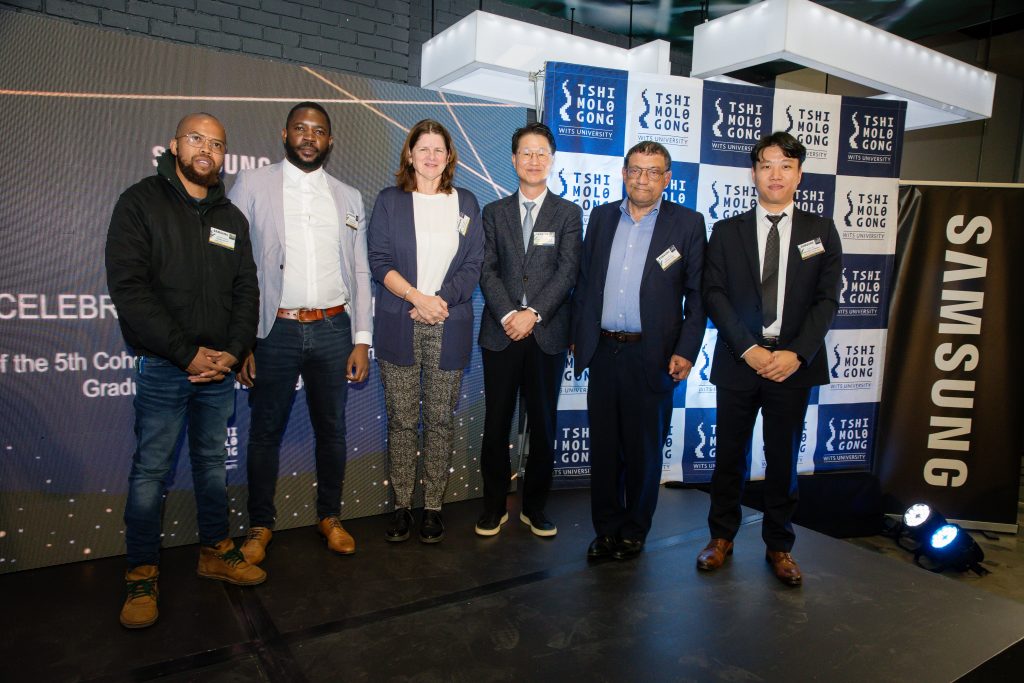
This top-tier rating reflects Samsung’s substantial investment in supplier development, youth employment and education initiatives, including its R280-million worth Equity Equivalent Investment Programme (EEIP). Over the years, Samsung has continued to explore new avenues of implementing its crucial transformation programmes. To this effect, the company has ensured that there’s continued investment in B-BBEE initiatives that drive meaningful transformation. This remarkable milestone is therefore a showcase of Samsung’s diverse workforce, partnerships with black Small and Medium-sized Enterprises (SMEs), investments in workplace training and graduate programmes as well as its education-based Corporate Social Responsibility (CSR) initiatives.
The B-BBEE level rating is used to measure the extent to which local companies comply with a points-based B-BBEE system. As an electronics giant, Samsung belongs to the Information and Communications Technology (ICT) sector and is measured on the ICT sector scorecard.
The ICT scorecard is made up of key pillars that include Ownership achieved through Samsung’s EEIP, Management Control (Local Board & Executive Committee, Employment Equity, Skills Development, Enterprise and Supplier Development as well as Socio-Economic Development (Social Responsibility) 1. All these scorecard pillars contribute to the overall score that can be achieved. On an annual basis, Samsung’s target is to maximise performance for all the score card elements to achieve Level 1 status.
This 8th year achievement is a demonstration of Samsung’s commitment to continued development and growth. And, this is evident in the strategic partnerships with both government and private sector that have, over time delivered on the country’s transformation objectives. This certification showcases Samsung’s focus on operational excellence alongside meaningful, long-term contributions to South Africa’s socio-economic landscape.
Nicky Beukes, Samsung EEIP & B-BBEE Manager said: “Our achievement of the Level 1 B-BBEE rating for the 8th consecutive year is another recognition of our continued drive and commitment to genuine economic empowerment in South Africa. This consistent accomplishment is a clear indication of our unwavering dedication to creating a more inclusive and equitable business environment. For us at Samsung, this is not just a tick box exercise but a continued drive to genuine economic transformation in South Africa and our sustained investment in the various pillars of the scorecard.”
And in particular, the EEIP project contributes to the Ownership scorecard element which comprises of 25 points. There is a requirement to ensure that the EEIP project is in good standing which in essence means that there needs to be adequate investment as per targets and meaningful implementation progress. Further to Samsung’s EEIP agreement with the Department of Trade, Industry and Competition (DTIC) – four developmental areas of investment need to take place. These include Black Industrialisation through e-waste recycling, ICT and Service Centre entrepreneurship, Software Development trainings with previously disadvantaged universities as well as Technician training in underserved provinces.
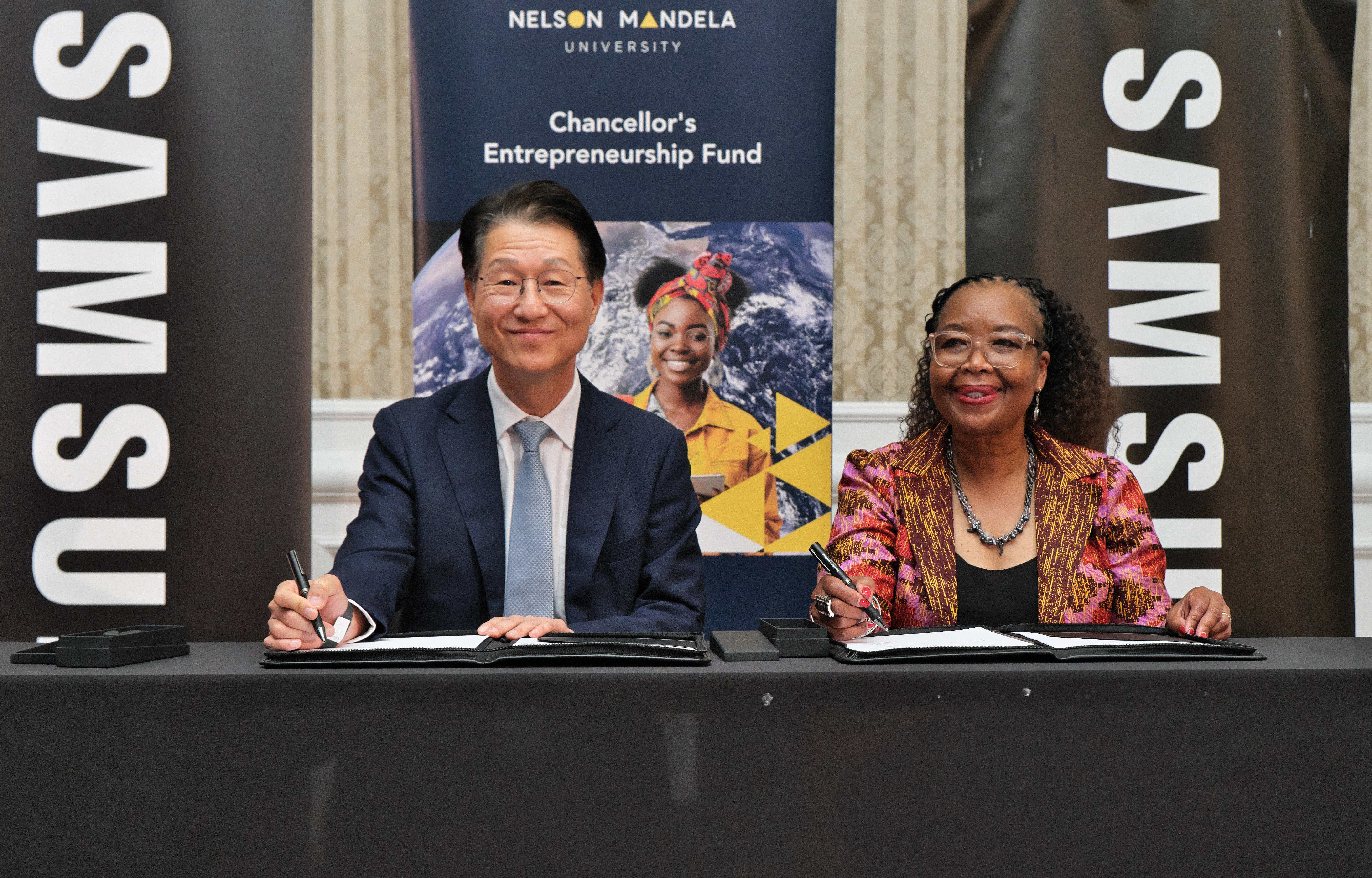
In addition, Samsung’s efforts when it comes to enterprise development include its re-direction of existing spend to qualifying Black-Owned and Black-Women Owned Qualifying Small Enterprises (“QSEs”) and Exempt Micro Enterprises (“EMEs”). The company has ensured that these small enterprises were included in the existing procurement value chain of Samsung with a focus on the following, approved areas: Marketing, Services, Sales, Logistics and Recruitment. Employment Equity and Management control, which comprises of a local Board and the Executive Committee, are representative of the demographics of the country.
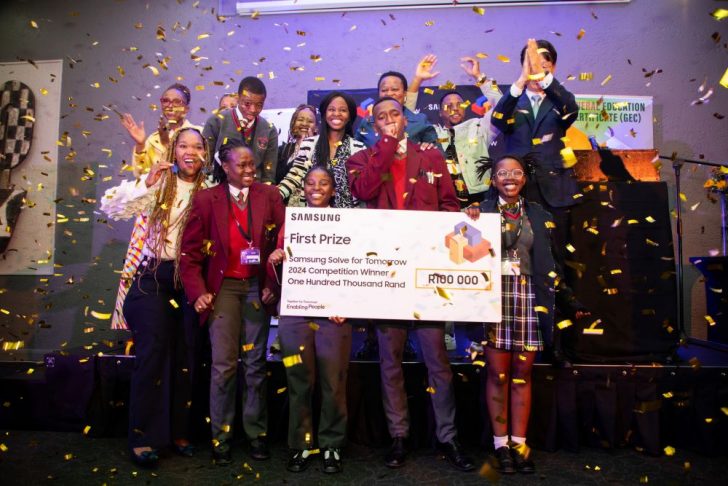
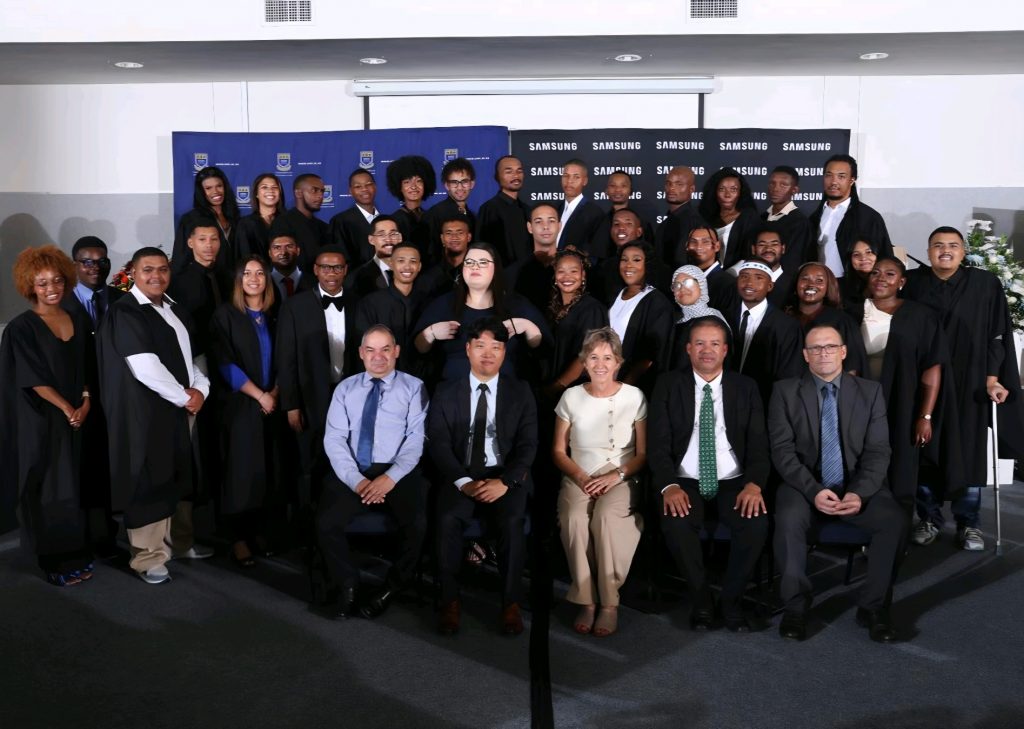
And furthermore, as part of its contribution to socio-economic development: Samsung has invested in education-focused initiatives that include the Samsung Innovation Campus (SIC) which teaches Fourth Industrial Revolution (4IR) skills to students in higher learning institutions. Also, Samsung has over the years ploughed further resources into the global Solve For Tomorrow (SFT) competition targeting grade 10 and 11 learners from disadvantage schools across the country to solve community problems through Science, Technology, Engineering and Maths (STEM).
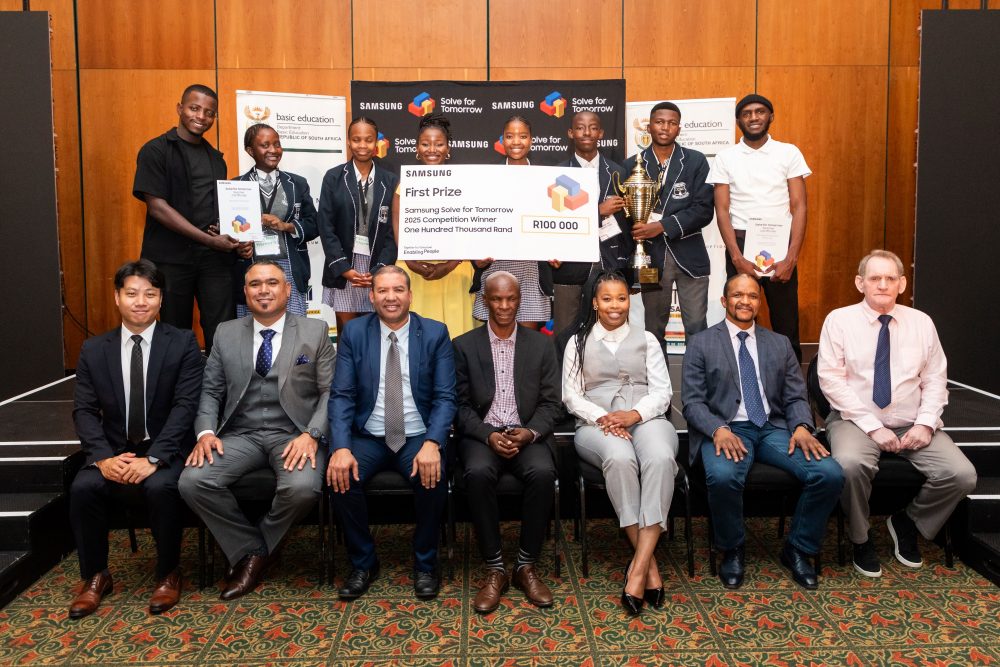
Over and above this, Samsung’s Learning and Development (L&D) portfolio delivered a focused pipeline of talent development initiatives, aligned to both organisational capability needs and broader socio-economic impact. These include:
- A key milestone for the year was the launch of a ground-breaking initiative – Samsung’s Employee Dependent Bursary Scheme. The inaugural cohort supported 17 beneficiaries, reinforcing the company’s commitment to employee wellbeing, education access and long-term socio-economic upliftment.
- Also, Samsung’s External Bursary Programme funded 24 students in 2025, contributing to the development of scarce and critical skills beyond the organisation. This initiative strengthens the external talent pipeline and aligns with national priorities around education and skills development.
- The Technical Support Learnership in 2025, comprised of 15 learners, placed a deliberate focus on youth living with disabilities. This programme reflects a targeted approach to inclusive development, ensuring that opportunities are extended to underrepresented groups while building relevant technical skills within the ICT support environment.
Overall, the L&D interventions demonstrate a balanced approach between internal capability building, graduate development, social impact and inclusion. The outcomes reflect steady progress in developing a sustainable talent pipeline while contributing meaningfully to transformation and skills development objectives.
Beukes concluded: “All of these transformation-focused initiatives are aligned to Samsung’s business objectives and are an indication of our genuine and sustained commitment to B-BBEE. Samsung’s execution of its B-BBEE initiatives delivers tangible results in the areas of job creation, business growth, youth and women empowerment as well as technical skills. And holistically, our efforts combined have consistently indicated a deep and enduring dedication to a meaningful economic transformation in South Africa.”
For any issues related to customer service, please go to samsung.com/za/support for assistance.
For media inquiries, please contact ssapr.newsroom@samsung.com.