From Access to Agency: Enabling Youth to Co-Create Education in a Digital World


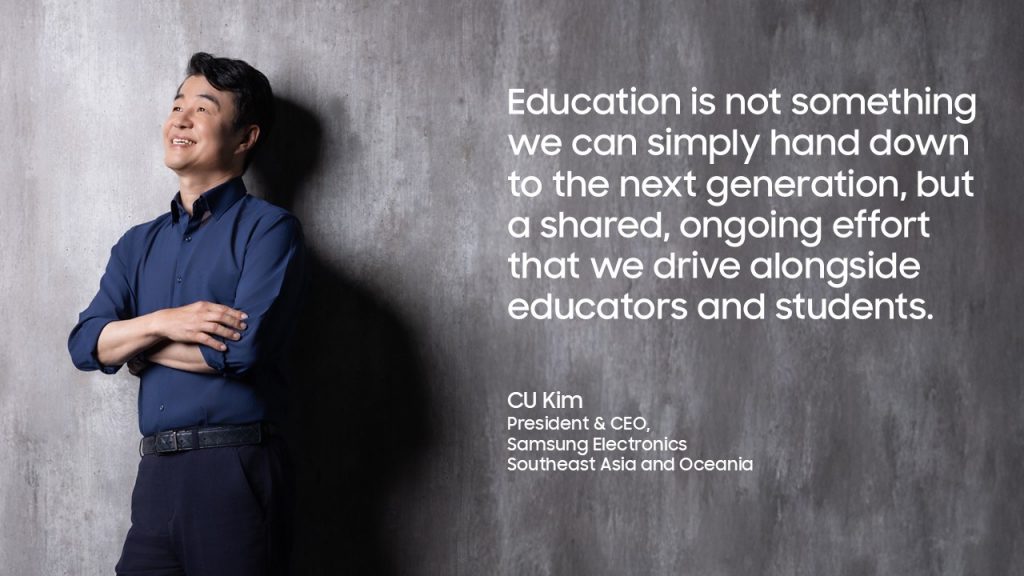
On 3 December 2018, the United Nations General Assembly proclaimed 24 January as International Day of Education, in celebration of the role of education for peace and development. As we mark the International Day of Education 2026, the global conversation turns to a powerful new theme: “The power of youth in co-creating education.” It recognises youth as agents of change in shaping inclusive, equitable and quality education, and helping build more peaceful, just and inclusive societies.
This vision acknowledges a fundamental truth that our youth, who constitute more than half the global population, can no longer be viewed as passive beneficiaries of education systems. They must be their architects. As digital natives, they understand the rhythm of the future better than any generation before them, and their voices are essential in shaping how learning evolves.
Just as how institutions like UNESCO are championing agency for our youth, we must play our role in bridging the opportunity divide and meaningfully enable youth to become active participants in their education. This is especially critical amid rapid technological transformation, which calls for rethinking not only what we teach, but how teaching and learning take place.
Bridging the Opportunity Divide
Across Southeast Asia and Oceania (SEAO), the digital divide is often framed as an infrastructure challenge marked by a lack of internet bandwidth or access to devices such as laptops, tablets, or computers. At Samsung, we see it differently. We see it as an opportunity divide.
Bandwidth is not just about internet speed; it is about how quickly a student can access knowledge. A device is not just a gadget; it is a canvas for creation. When a student in a rural community lacks these tools, they are not simply missing a tablet; they are missing a seat at the table of the future economy.
The demand to bridge this divide is real. In 2025, 59% of schools in our region had plans to upgrade and invest in modern technology to digitalise their learning environments[1], confirming that such investment is no longer a convenience, but a baseline requirement to ensure all students and educators have fair access to quality learning environments.
Yet technology alone is just the starting point. When educators are equipped to guide and inspire, students can co-create the future and innovation will thrive. That is why our approach begins with the educator.
Through Samsung Learning Hub, we provide the tools, training, and resources to elevate teaching, inspire learning, and help make technology work for every classroom. Our bootcamps and mentoring programs support both educators and school leaders in helping them to build the capabilities needed to keep pace with evolving curricula and help guide their schools on a digital transformation journey. By strengthening digital competency at every level, we help to ensure that technology in the classroom serves pedagogy, not the other way around.
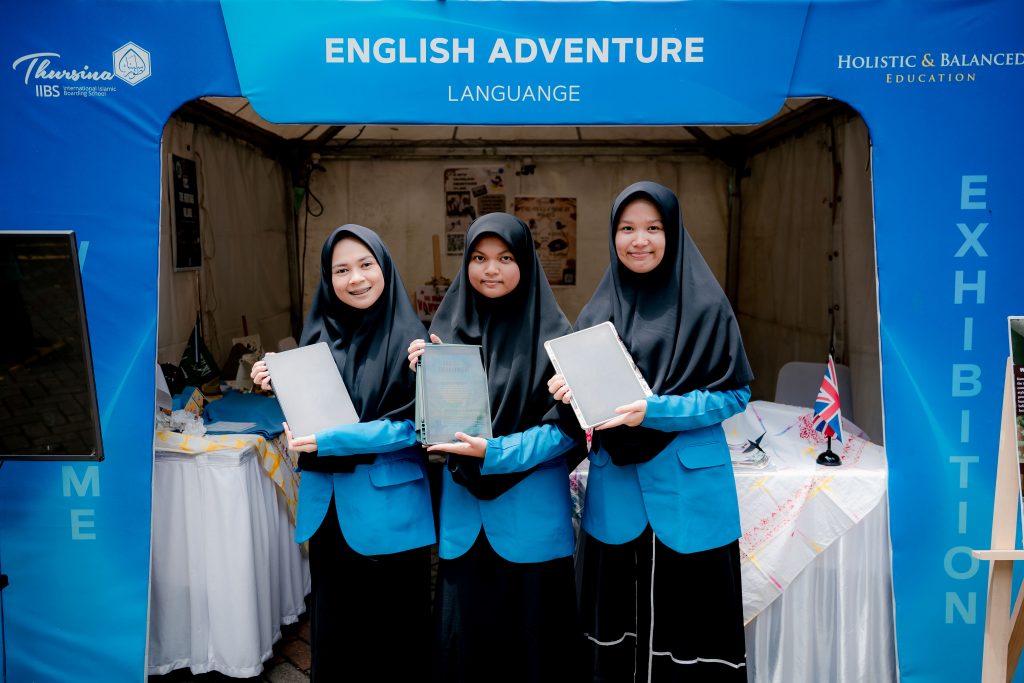
The Samsung Digital Lighthouse School initiative is a showcase of what is possible, and that digital transformation is not only achievable but also sustainable
Building on this foundation of empowered teaching, we are also extending impact into the learning environment through initiatives like the Samsung Digital Lighthouse Schools program. Recognising that every school begins at a different stage of its digital journey, this program meets schools where they are and supports them with the tools, capability building, and frameworks needed to progress sustainably.
In Indonesia, SMP Islam Al Azhar 25 Tangerang Selatan and Thursina International Islamic Boarding School have recently joined the Samsung Digital Lighthouse School community. In these schools, teachers are building confidence in using digital tools to enable more engaged and collaborative learning, while technology helps reduce administrative workloads so educators can focus more fully on teaching and mentoring students.
Reimagining Learning for A Better Tomorrow
Once access is established and educators are empowered, we can turn to the ultimate goal: Agency.
Beyond infrastructure, our role is to equip the next generation with real-world problem-solving skills. By using technology as a catalyst for critical thinking, creativity, and collaboration, we help to enable youth to pursue their ambitions and shape the futures they envision.
This is especially vital in our region, where young changemakers are driven to develop creative solutions to challenges within their communities. We see this in our flagship corporate social responsibility program, Samsung Solve for Tomorrow, a competition that invites students to apply science, technology, engineering, and mathematics (STEM) skills to social issues. By challenging them to design the solutions they wish to see in the world, the program fosters a powerful mindset of co-creation. In 2025, nearly 17,000 youth participated across the region, marking a 40% increase compared to the previous year.

Hailing from New South Wales in Australia, Jack Lowe built Eilik, an AI-powered results comparison platform to help educators identify potential academic dishonesty in the age of generative AI
In Australia, we witnessed this ingenuity in action. Jack Lowe was awarded the “Runner-Up 14-18” prize for his concept, Eilik—an AI-powered results comparison platform designed to help educators identify potential academic dishonesty in the age of generative AI. His innovation reflects how youth are seizing the opportunity to reshape learning from their own perspectives. Jack’s goal is to support fair learning environments and ensure students receive the guidance they need to build strong foundations in science, mathematics, and English. This thoughtful response to one of education’s emerging challenges exemplifies what co-creation in education truly means.
As our region’s AI-driven digital economy continues to grow, building industry-ready capabilities is more important than ever. Through Samsung Innovation Campus, spanning four SEAO markets, we equipped more than 24,000 participants in 2025 with critical skills in coding, programming, the Internet of Things, and artificial intelligence. In doing so, we are not just teaching students how to use today’s technology but also preparing them to build the technology of tomorrow.
A Shared Responsibility
The International Day of Education 2026 reminds us that education is not something we simply hand down to the next generation, it is a shared, ongoing effort—one we build alongside them, so they can continue transforming education for those who follow.
At Samsung, our commitment remains firm. We invest in the infrastructure that enables digital classrooms, empower educators who guide our youth, and most importantly, provide platforms that allow young people across our region to exercise their agency to invent, to solve, and to co-create a better world.
By closing the gap in access today, we open the door to their innovation tomorrow.
[1] IDC InfoBrief, sponsored by Samsung, Modernisation of Learning through Digital Tech Investments, #AP242475IB, November 2024
Corporate > Citizenship
Press Resources > Press Releases
For any issues related to customer service, please go to Samsung.com/au/support for assistance.
For media inquiries, please contact mediateam@samsung.com.


