From Indian Roads to Global Wrists: How Engineers at Samsung’s Noida R&D Centre Are Helping Shape the New Galaxy Watch Experience
16-11-2026
Samsung Research Institute–Noida develops and tests health, fitness and AI-powered experiences for Galaxy Watch9 and Galaxy Watch Ultra2, using real-world Indian conditions to refine technology for global users

What does an auto-rickshaw on an Indian road have to do with a Galaxy Watch sold anywhere in the world? For engineers at Samsung Research Institute–Noida (SRI-N), the answer lies at the heart of how wearable technology is developed and tested.
During the development of auto cycle detection, Indian engineers found that the algorithm being developed for the Galaxy Watch could mistake a ride in an auto-rickshaw for a bicycle journey under certain Indian road conditions. The movement of a slow-moving vehicle on mixed terrain created a real-world challenge that lab testing alone had not anticipated.
“To address this, our engineers conducted real-world field tests to identify such problems,” says Dr Amitabh Thapliyal, Vice President, Service Development, SRI-Noida. “Whenever such issues arise, we fine tune global algorithms to account for local conditions like those in India.”
The result was an improved algorithm that became part of the global product.
“We follow rigorous testing practices globally to ensure our products are scalable and reliable,” Dr Thapliyal says.
This approach extends across the new Galaxy Watch9 and Galaxy Watch Ultra2, where engineers at SRI-N have contributed to the development and local testing of health and fitness experiences.
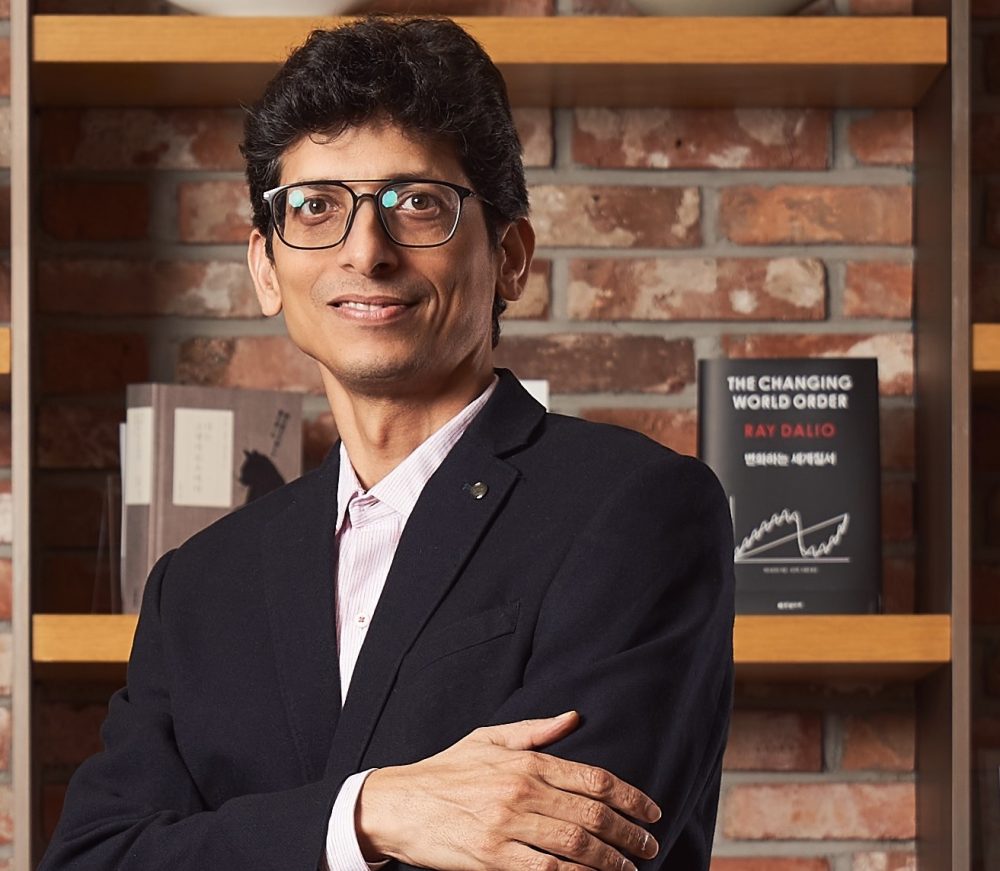
India as a real-world lab
SRI-N was established in 2007, and Digital Health and AI are among its key focus areas, with the centre collaborating with Samsung’s global R&D teams on technology development. For the Digital Health team, the work begins with the understanding that people do not use technology in controlled environments.
“When we design and architect our solutions, we also consider demographic profiles and regional behaviours to ensure our software meets diverse needs. This is our top priority,” Dr Thapliyal says. “Additionally, we rigorously test and validate our software under all conditions.”
This real-world approach is particularly important for wearable technology. A watch is worn while people sleep, exercise, commute and go about their daily lives. That creates an enormous range of conditions for software and algorithms to understand.
Built by engineers who use it themselves
For Dr Thapliyal, who is preparing for an ultra-marathon, the work is also personal. His favourite feature on the new Galaxy Watch Ultra2 is Trail Running.
“I am a marathoner, so I find the trail running feature amazing, especially for runners like me who aspire to take on trail running and improve their performance on challenging terrains,” he says. “I see this feature not just from a developer’s perspective but also through the lens of a runner.”
Trail running presents challenges that conventional road running does not. Terrain changes constantly, runners climb and descend, and navigation and hydration become critical. For the engineers building the technology, using it themselves is part of understanding how it performs.
“What makes this particularly special for me is that at Samsung, we are not only developing these experiences for consumers; we are also among their first users and everyday testers,” says Dr Thapliyal.
“We experience the technology ourselves, understand how it performs in real-world situations, and constantly think about how it can make a runner’s journey safer, smarter and more rewarding.”
Moving beyond tracking to understanding
The work at SRI-N reflects a broader evolution in how Samsung approaches wearable health technology.
The Galaxy Watch9 and Galaxy Watch Ultra2 work with Samsung Health across areas including activity, sleep, nutrition, mindfulness and vital tracking. SRI-N contributed to features designed to help users understand the data collected by the watch and use it in their daily lives.
Vital Tracker monitors health indicators during sleep, while Daily Cardio Load considers multiple factors, including exercise and recovery to provide personalised guidance. Trail Running on the Galaxy Watch Ultra2 adds navigation, uphill guidance and hydration alerts for demanding outdoor conditions.
Dr Thapliyal is clear, however, that the watches are designed for wellness and preventive care rather than diagnosis.
“All of our watches are designed as preventive and wellness devices. We don’t claim that they can diagnose conditions or replace doctors and their services,” he says. “This is how we build our technology; not to replace doctors, but to empower our consumers to lead healthier lives.”
The Galaxy Watch & India healthcare
SRI-N engineers have also developed India-specific health services around Samsung Health. One of them is the Ayushman Bharat Digital Mission (ABDM)-compliant health record system. ABDM is a government initiative that builds an integrated digital health infrastructure across India. Medication Tracker and Find Care are other services developed by SRI-N engineers. These three services have been developed through collaborations with partners such as EkaCare, Tata 1mg and PharmEasy. Find Care enables users to access doctor consultations, medicine ordering and lab test bookings through Samsung Health.
“Our goal is to make healthcare more accessible and convenient for everyone. By integrating ‘Find Care’ Service in the Samsung Health app we are taking a significant step towards achieving this vision. ‘Find Care’ has been thoughtfully designed to meet the evolving needs of our users. We are committed to continuously innovating and enhancing our services to improve our user’s experience,” said Kyungyun Roo, Managing Director, Samsung Research Institute, Noida.
The aim is to create a more connected health journey; one informed by understanding how users navigate diagnosis to treatment to ongoing care management. A consultation can lead to a digital prescription, medication reminders and health record management, while partnerships with healthcare platforms help users access medicines and tests. The Galaxy Watch remains part of that journey through everyday health and medication tracking.
From India to the world
For Samsung’s Galaxy Watch business, India is increasingly more than a market. The work at SRI-N shows how local engineering, user trials and everyday Indian conditions can help improve technology designed for global users. A false detection on an Indian road can lead to an improved global algorithm. A marathon runner in Noida can test a feature designed for runners on unfamiliar trails. India’s digital health infrastructure can help shape connected services around a device worn on the wrist.


