Worldwide
[Editorial] Shaping Lasting Change in Southeast Asia and Oceania
Southeast Asia on September 17, 2025
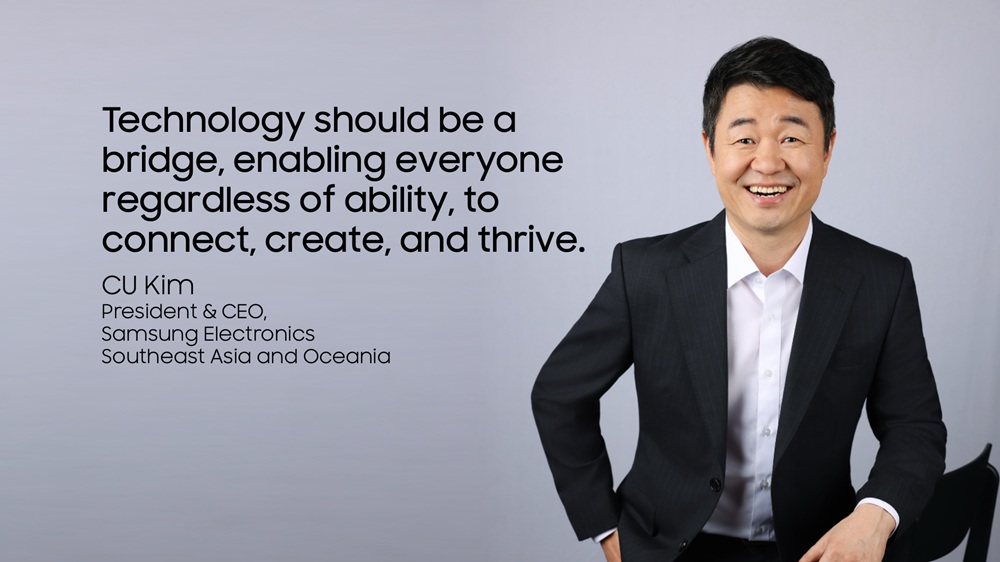
In a recent editorial, CU Kim, President and CEO of Samsung Electronics Southeast Asia and Oceania (SEAO), emphasized the importance of empowering the next generation to drive innovation and progress, especially with the advent of generative AI.
According to a United Nations Development Programme (UNDP) report, optimism about AI has reached unprecedented levels, with many respondents expecting it to create opportunities in education, work and healthcare. For Samsung, this underscores the urgent need to bridge the digital divide and ensure everyone has equitable access to both technology and the skills to use it.
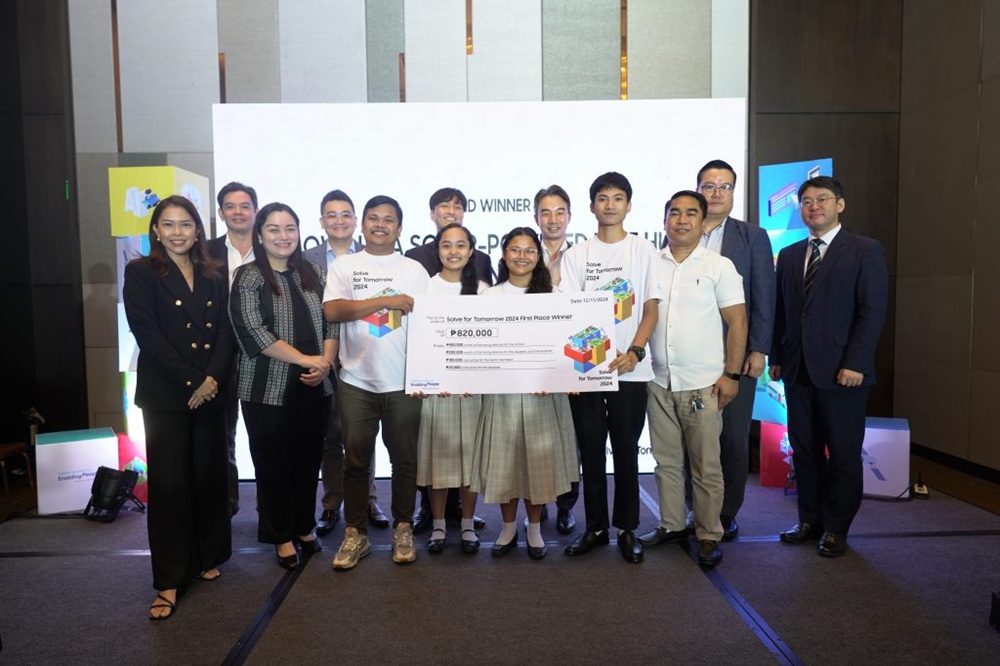
In SEAO, young people are already demonstrating AI’s potential to drive meaningful change. Samsung’s Solve for Tomorrow (SFT) program exemplifies this approach, encouraging students to apply technology to real-world problems and find viable solutions. Such initiatives align with the UN’s call to embed human agency throughout the AI lifecycle, positioning youth not merely as consumers but as active innovators. Across SEAO, the 2025 edition of SFT has kicked off in Vietnam, Indonesia, Thailand, Singapore, the Philippines, Malaysia, Australia and New Zealand.
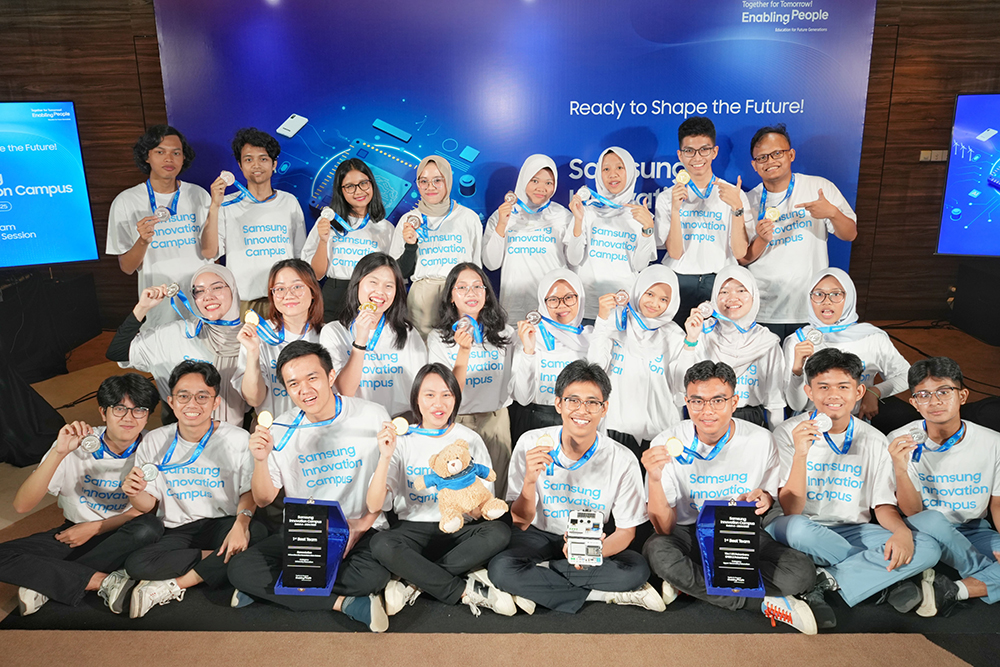
Samsung also supports long-term workforce development through Samsung Innovation Campus (SIC), offering training in coding, IoT and AI. These efforts are crucial, especially in markets like Indonesia, which requires 9 million digital talent by 2030. Similarly, in Thailand, Samsung’s decade-long partnership with the Office of the Vocational Education Commission through the Dual Vocational Education (DVE) program combines classroom learning with practical training, strengthening both technical and soft skills to prepare students for meaningful employment.
Youth engagement in the region is strong: Samsung’s research shows that nine in ten SEAO youths use AI daily, primarily for learning. This adoption reflects AI’s democratizing role in expanding access to knowledge, with UNDP findings showing high expectations for productivity gains as well.
Ultimately, Kim believes inclusivity must guide the deployment of technology so that it serves as a bridge for all. By collaborating with government agencies, educators, partners, customers and the youth, Samsung aims to create pathways where innovation uplifts communities and ensures that everyone has a role in shaping an AI-enhanced future.

For any issues related to customer service, please go to Customer Support pagefor assistance.
For media inquiries, please click Media Contactto move to the form.


