[Interview] [Galaxy Unpacked July 2026] Intelligent Eyewear: The First Step Toward the Next Mobile AI Interface
on July 31, 2026
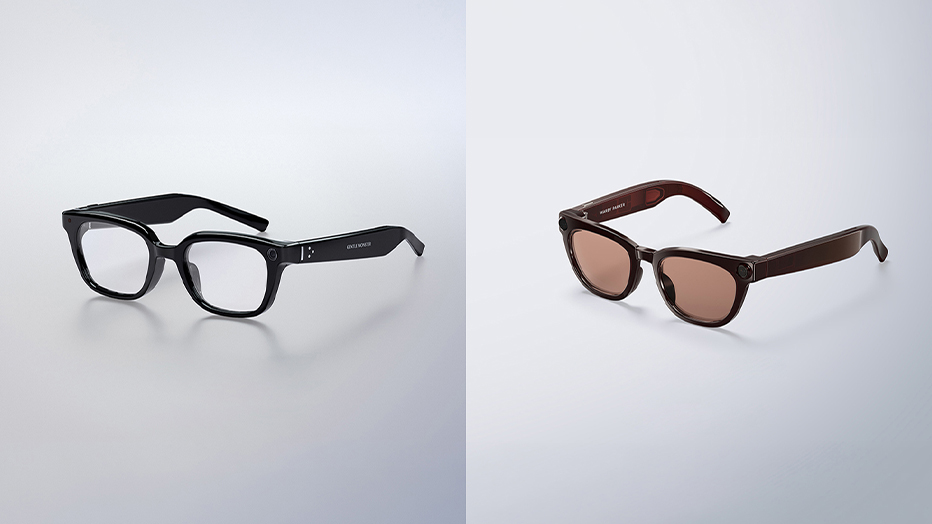
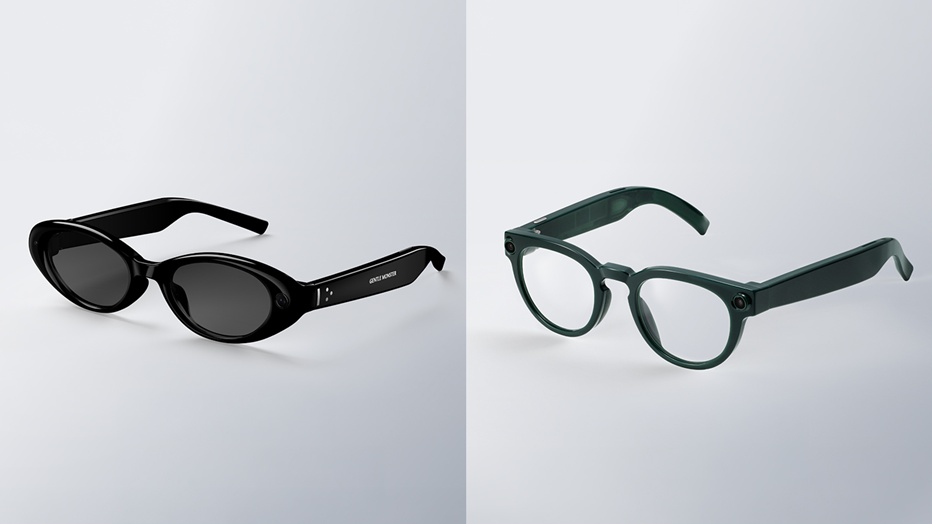
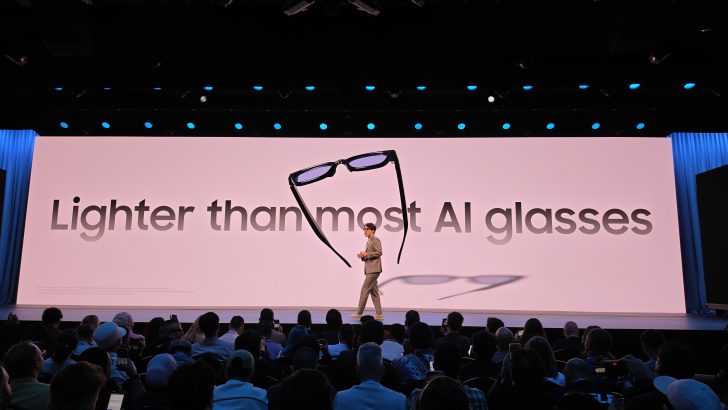
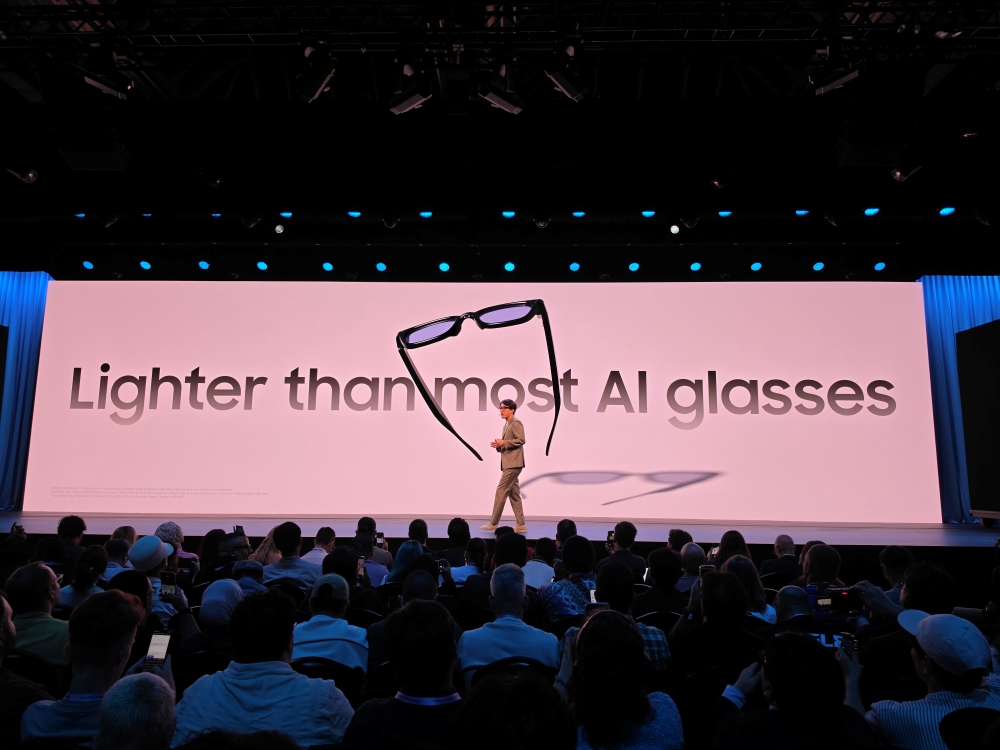
On July 22 at Galaxy Unpacked July 2026, Samsung Electronics introduced intelligent eyewear1 as the first step toward making AI glasses the next interface for mobile AI.
Built on decades of expertise in mobile engineering, hardware design and product craftsmanship, intelligent eyewear combines true wearability with mobile AI experiences and seamless connectivity within the Galaxy ecosystem.
Samsung Newsroom spoke with James Choi, Executive Vice President and Head of XR R&D Team, Mobile eXperience (MX) Business at Samsung Electronics, to learn about the development of intelligent eyewear, the engineering behind its design and Samsung’s long-term vision for the AI glasses category.

Q. Why is Samsung introducing intelligent eyewear now and why does it believe AI glasses will become the next interface for mobile AI?
AI glasses will only become mainstream if people genuinely want to wear them every day. Achieving this level of wearability requires more than advanced AI — it also demands deep engineering expertise, mobile technologies and an understanding of how people use technology in their daily lives. Drawing on decades of mobile leadership, Samsung is well positioned to bring these elements together and help move the category forward.
AI glasses understand what users see, hear and experience around them and enable more natural, contextual and seamless interactions, bringing AI closer to the moments that matter in everyday life. Our goal is not to replace the mobile phone but to create AI glasses that help people use their phones less, while getting more value from the mobile experiences they rely on. Samsung is laying the foundation for this vision through the new intelligent eyewear, extending mobile AI beyond the screen.
Q. What are the biggest engineering priorities when developing AI glasses?
The journey began with Galaxy XR. Through our experience developing it, we learned how to design technology that people can comfortably wear on their faces. We applied those insights to intelligent eyewear, focusing every engineering decision on comfort, fit and everyday use.
Wearability isn’t simply a design challenge — it’s an engineering one. When it comes to eyewear, even a tenth of a millimeter matters. That is why we took a holistic approach, carefully considering weight, materials, thermal management and battery efficiency.
Designed to be slim and light, intelligent eyewear incorporates patented slim hinges, advanced thin-wall molding, lightweight materials and optimized hardware components. Its hinge structure prevents corrosion and withstands the demands of everyday wear, while the patented temple architecture improves structural rigidity. Thermal graphite material on the left side of the glasses also helps prevent heat generated by the AP (Application Processor) from transferring to the user’s face.
Because every face is different, we used computational design and worked closely with our eyewear partners to refine the fit across key contact points including the forehead, cheekbones and behind the ears. We also balanced the weight across both sides of the frame, so users can barely notice any difference.
Samsung has filed around 200 patent applications in this category, reflecting its long-term investment in intelligent eyewear. Ultimately, all that engineering is designed to disappear into the experience, making the glasses feel as natural as an ordinary pair.
Q. How did you ensure intelligent eyewear was resilient enough for everyday use?
Users expect Samsung-quality products, regardless of form factor. We applied the manufacturing expertise and rigorous verification standards developed over decades of Galaxy device innovation, while introducing additional testing tailored to intelligent eyewear.
Because it is worn directly on the face, intelligent eyewear had to meet the standards of both mobile devices and eyewear — and go beyond them. It underwent extensive durability, environmental and safety testing, including exposure to high temperatures, humidity, sunscreen, cosmetics and sweat, as well as folding and hinge expansion tests.
Despite the extensive engineering packed into its slim and lightweight design, intelligent eyewear delivers uncompromising performance, including strong battery life. Through hardware and software optimization, intelligent eyewear provides up to nine hours of active use on a single charge, even during demanding experiences such as Gemini and video recording. The charging case enables more than seven full recharges for extended multi-day use.2
Q. Why do you see intelligent eyewear as a new entry point for mobile AI?
Intelligent eyewear introduces a more natural and intuitive way to experience mobile AI. Its ability to understand what users see, hear and experience around them enables more personalized, contextual support in the moment.
With a high-quality camera, microphones and speakers integrated into its frame, intelligent eyewear responds through natural conversation, while reducing the need for users to stop and reach for a phone.
From real-time guidance and live translation to line-of-sight capture and context-aware assistance, these experiences are designed to help users access mobile AI while staying present in what they are doing.3
Q. How does intelligent eyewear fit within the broader Galaxy ecosystem?
Intelligent eyewear is designed to work as a companion device to Galaxy phones and other Galaxy wearables, extending mobile AI beyond the screen through more personalized experiences. Users can access apps and services they already rely on — from Samsung and Google apps to third-party content — through a natural, hands-free interface.
For example, they can start recording hands-free with intelligent eyewear, preview what they have captured on Now Bar and then access it in Galaxy Gallery on their phone.4 Through split computing, processing is distributed between intelligent eyewear and the connected Galaxy phone, helping optimize performance.
Intelligent eyewear also works with Galaxy Watch and Galaxy Buds. Users can manage the device directly from their wrist through the Galaxy Watch screen or with intuitive gestures.5 When Galaxy Buds are connected, they can switch audio without interrupting the experience.
Q. How did you integrate privacy and trust into the design of intelligent eyewear?
As AI becomes more personal and integrated into everyday life, trust becomes even more important. That’s why privacy was built into intelligent eyewear from the beginning, with safeguards designed to protect users and those around them.
A bystander-facing LED indicator and an inner LED clearly show when recording is active. Wear detection automatically disables recording when the glasses are removed, while a thwart detection feature disables recording if the external LED indicator is blocked.
Users can also manage privacy and personalization settings through connected Galaxy phones. Their audio, video and screen-sharing data are not used to train AI models.
Samsung will continue to enhance its privacy features to give users greater transparency and control.
Q. What does intelligent eyewear represent for Samsung’s long-term vision?
Samsung has a long history of helping define new product categories — including foldables — and setting the standards consumers have come to expect from them. Intelligent eyewear is the next step in its vision to make AI more wearable, personal and seamlessly integrated into everyday life, but it is still only the beginning. With this first generation, Samsung aims to establish a new best-in-class benchmark for the emerging category and continue advancing it with each generation.
- Availability may vary depending on market. All functionalities, features, specifications and other product information provided in this document including, but not limited to, the benefits, design, components, performance, availability and capabilities of the product are subject to change without notice. ↩︎
- Battery life varies by network environment, features and apps used, device settings, the number of times charged and many other factors. ↩︎
- Feature availability may require a network connection, compatible Galaxy device or supported app. Translation and navigation-related experiences may vary by language, region, app, service provider and network environment. Contextual and history-based experiences may require user permission, supported apps and compatible services. ↩︎
- Live visual sharing and recording features may vary by app, service, market and applicable laws or consent requirements. ↩︎
- Gesture interactions are only provided through Galaxy Watch9. ↩︎
For any issues related to customer service, please go to Customer Support pagefor assistance.
For media inquiries, please click Media Contactto move to the form.