[Interview] Growth Through HVAC: Samsung Leads the Market With AI and Hyperconnected Solutions
on February 6, 2026
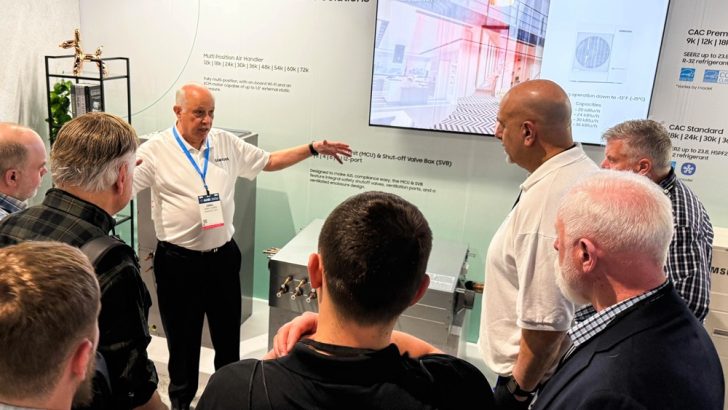
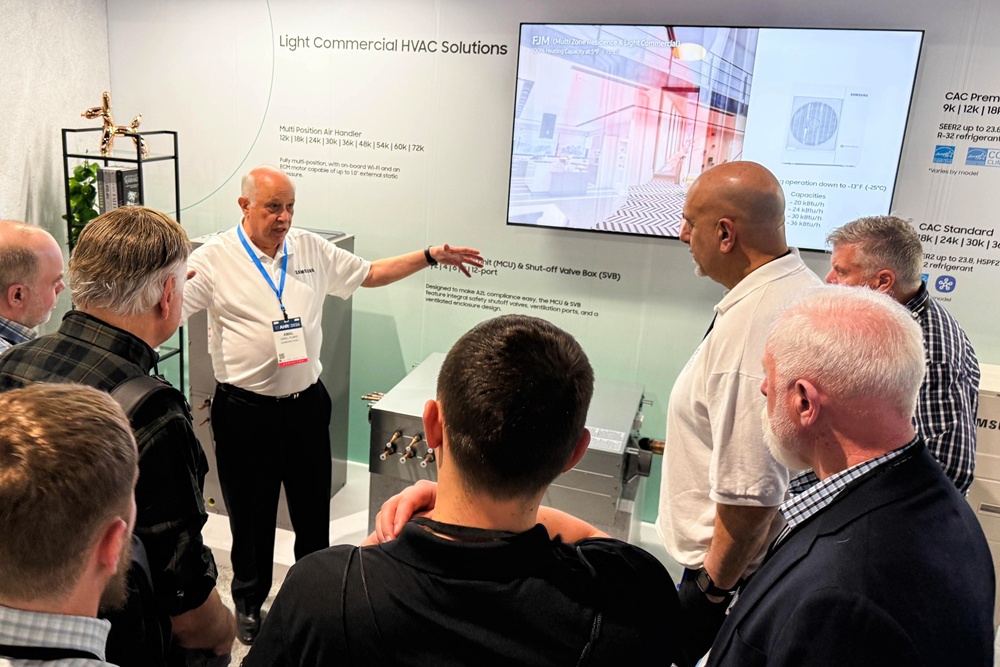
From February 2 to 4, the International Air-Conditioning, Heating, Refrigerating Exposition (AHR Expo) — North America’s largest heating, ventilation, air conditioning and refrigeration (HVACR) trade show — took place in Las Vegas. Hosted by the American Society of Heating, Refrigerating and Air-Conditioning Engineers (ASHRAE), this year’s event brought together more than 1,800 global companies, showcasing the latest technologies and industry trends from around the world.
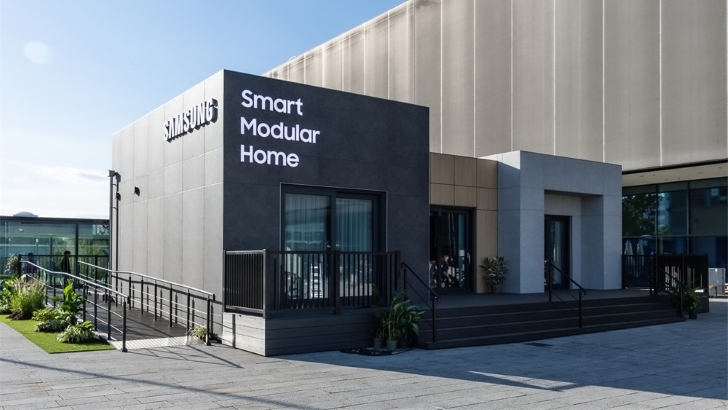
At the exhibition, Samsung Electronics operated a 350-square-meter booth and presented its vision for next-generation HVAC solutions under the theme “Enabling Better Living.” Spanning residential to commercial applications, Samsung demonstrated how AI-driven energy management and advanced maintenance innovations can deliver tangible benefits in real-world environments.
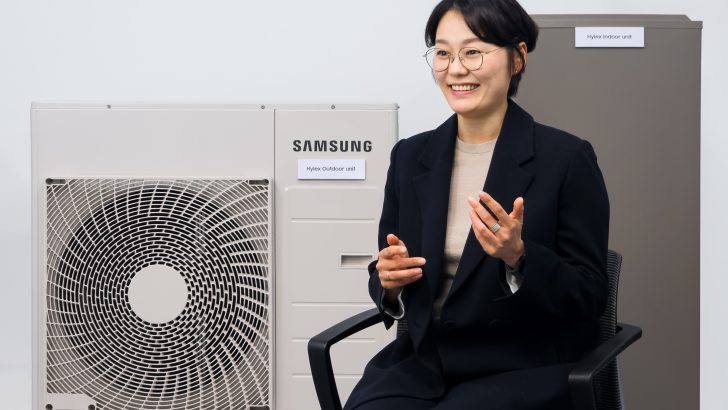
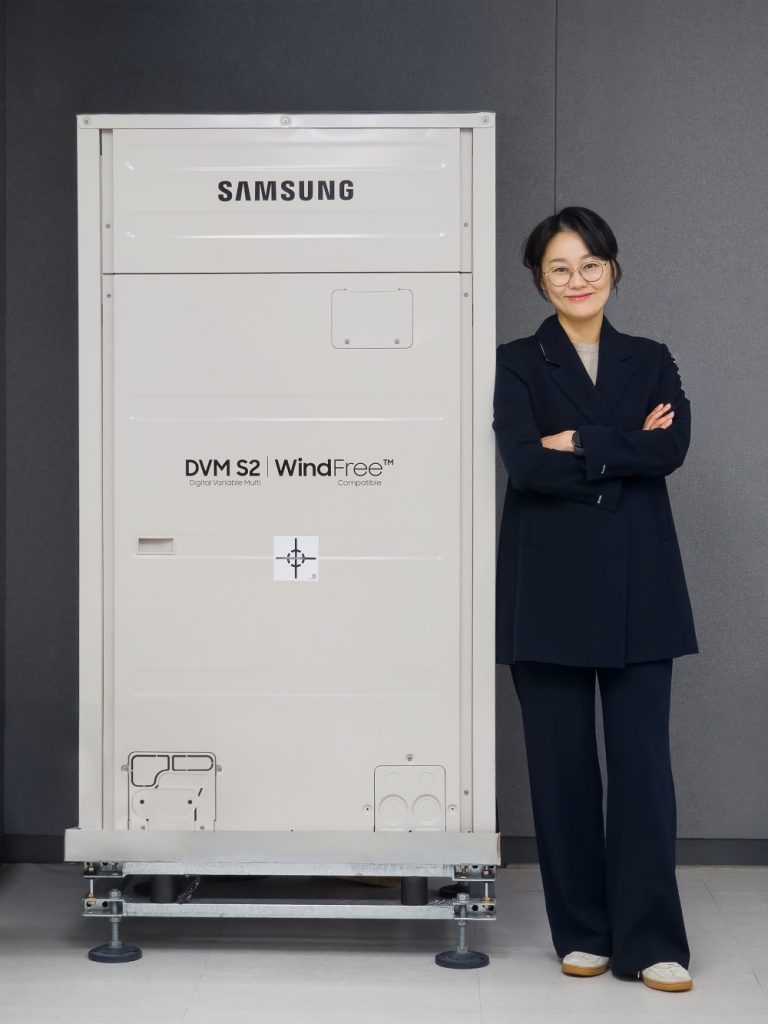
Samsung Newsroom sat down with Hye-seong Baek, Vice President of the Digital Appliances (DA) Business at Samsung Electronics, to discuss the company’s HVAC innovations and strategies.
Q. What were the key factors behind Samsung’s participation in this year’s AHR Expo?
Since Samsung’s first official debut in 2015, Samsung has showcased its latest innovations at the AHR Expo every year. Additionally, North America is the world’s second-largest HVAC market, and it represents a critical arena where the industry’s most advanced technologies compete.
At this year’s exhibition, Samsung directly engaged with its partners to share its differentiated business vision and AI-based HVAC solutions, while further strengthening mid- to long-term partnerships built on mutual trust.
Q. What were the key products and solutions showcased at this year’s Expo?
Samsung unveiled a wide range of solutions that bring enhanced convenience and connectivity to diverse industrial applications and customer environments.
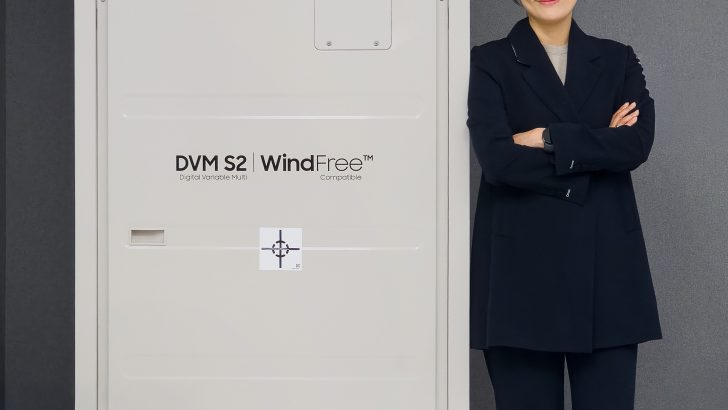
In the commercial segment, Samsung introduced the DVM S2+, a high-efficiency, large-capacity air-conditioning solution with significantly enhanced AI capabilities. At its core is on-device AI that learns from its environment in real time to minimize energy consumption while delivering optimal indoor comfort.
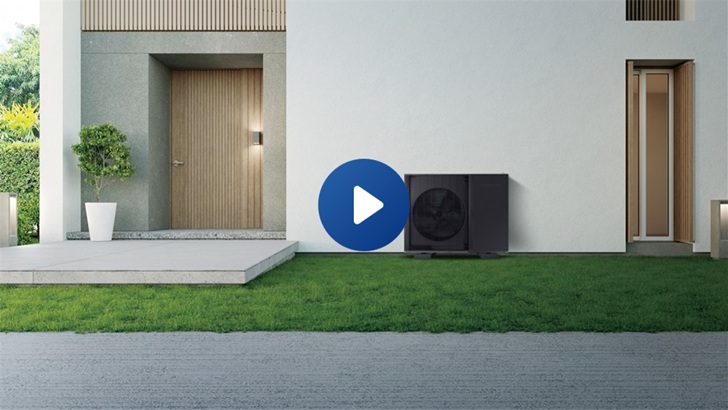
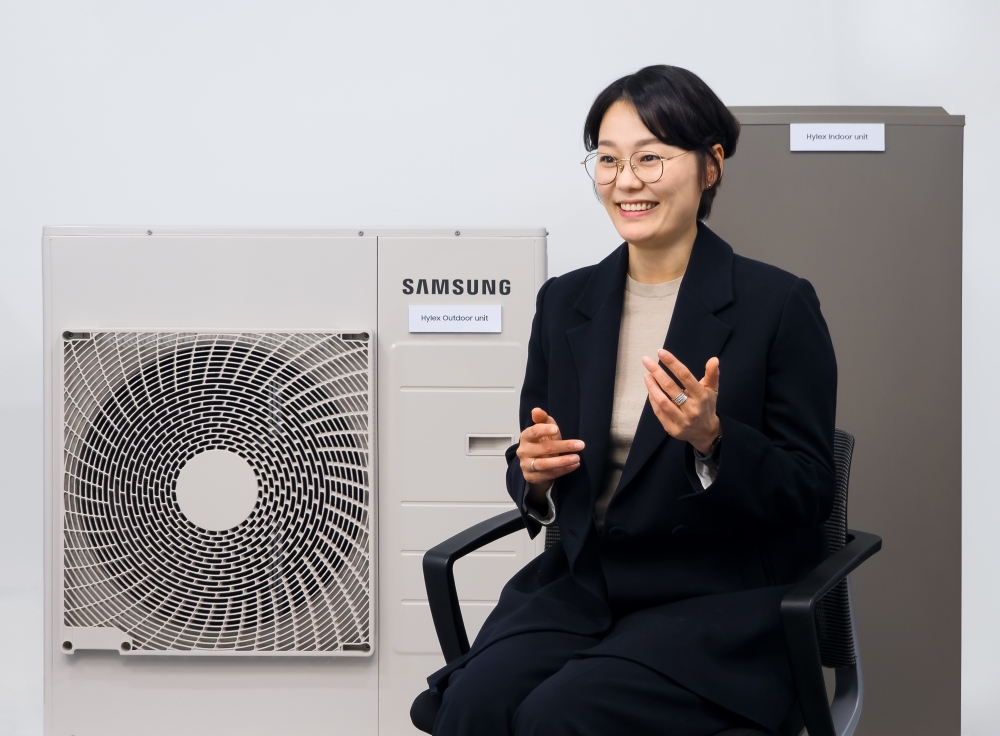
In line with residential sustainability trends, Samsung is targeting the North American unitary1 market with Hylex, an inverter-based outdoor unit that uses the low global warming potential (GWP)2 R454B refrigerant, as a key product. The newly introduced Hylex features inverter technology that delivers high energy efficiency, low noise and a compact design tailored to North American consumer preferences.
Samsung also strengthened its EHS lineup of residential air-to-water heat pumps (AWHPs), offering a practical alternative to conventional fossil-fuel boilers while maximizing hot-water supply and heating efficiency.
Q. At this year’s CES, Samsung shared its vision of HVAC solutions serving as a new growth engine. Why is Samsung increasingly focusing on the HVAC sector?
HVAC is a core technology that regulates temperature and humidity across residential, commercial and industrial facilities, and the HVAC sector plays an essential role in supporting everyday life by providing optimal air conditions in these spaces. In recent years, the market has gained further momentum amid global efforts to address climate change, paired with increasingly comprehensive regulations on eco-conscious energy use. Looking ahead, Samsung anticipates the market to grow annually at a stable rate of approximately 5%.
Samsung is focusing on scaling HVAC services in connection with smart homes and smart cities. By integrating Samsung’s AI technologies and SmartThings across the broader HVAC market, Samsung expects to see strong potential to create meaningful synergies ranging from remote maintenance to energy cost optimization.
Q. What do you see as the key trends shaping the U.S. HVAC market in 2026?
This year, the key trends in the U.S. market are sustainability and high efficiency. Environmental regulations such as the adoption of low-GWP refrigerants are continuing to expand into the commercial sector, alongside new design and installation standards being introduced. In response, the market is shifting away from high energy-consuming, fixed-speed air conditioners toward high-efficiency inverter heat pump systems.
In the residential segment, demand for eco-conscious HVAC heat pumps is steadily increasing, while the adoption of VRF (Variable Refrigerant Flow) systems is accelerating in the commercial sector. This is driving greater diversification across HVAC solutions, while rising demand for AI data centers and high-performance computing is fueling the growth of precision cooling systems as an increasingly important market segment.
Moreover, AI-based predictive maintenance and optimization technologies — along with comfort and energy-saving solutions enabled by a wide range of IoT sensors — are becoming more widespread, with improvements in energy and operational efficiency emerging as a key industry trend.
Q. What sets Samsung apart from its competitors in the highly competitive North American HVAC market?
In North America, the residential segment accounts for approximately 70% of the HVAC market, while the commercial segment represents about 30%. In the residential space, Samsung is expanding its regional distribution network with Samsung Lennox HVAC North America, its joint venture with leading residential HVAC provider Lennox. Through this venture, Samsung leverages its energy-efficient, inverter-based ductless lineup.
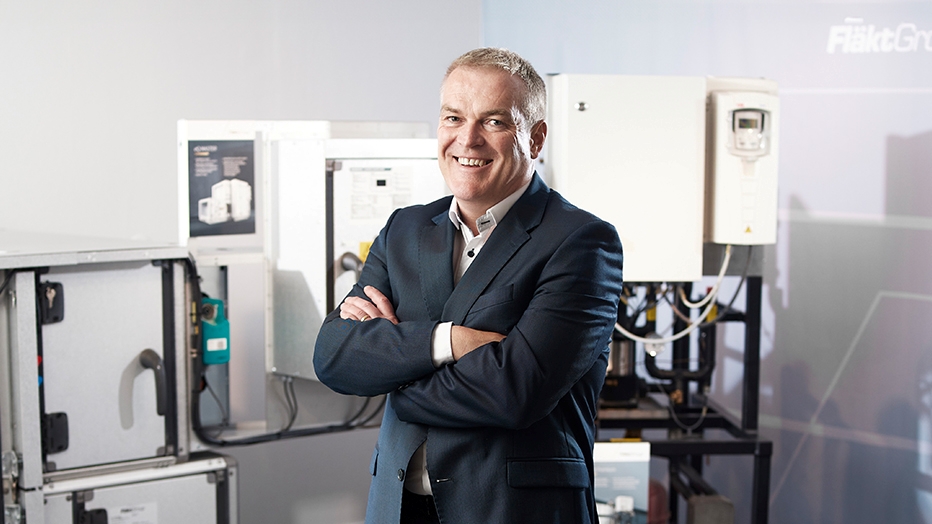
In the commercial segment, Samsung is working closely with FläktGroup, Europe’s largest HVAC equipment provider — which the company recently acquired. Together, the companies offer comprehensive, customized solutions centered on modular chillers,3 tailored for high-value applications such as data centers and cleanrooms.
Above all, Samsung’s most distinctive strength lies in the hyperconnectivity enabled by SmartThings and SmartThings Pro. In residential settings, this means continuously evolving experiences as a result of seamless connectivity, while in commercial environments, it manifests as advanced solutions that significantly enhance building-wide energy optimization and maintenance efficiency.
Q. What are Samsung’s goals in the North American HVAC market?
The goal is clear: to leap forward as a top-tier HVAC player in the North American market by leveraging advanced technologies and a diverse product portfolio.
Building on Samsung’s unique strengths in the ductless segment, Samsung is planning to expand into the ducted market — where centralized systems are the norm — through strategic synergies with FläktGroup. With the combination of Samsung’s chiller technologies and FläktGroup’s advanced cooling solutions, Samsung will deliver optimized solutions for data center applications.
In parallel, Samsung will continue to accelerate the rollout of products with low GWP and further strengthen AI-powered energy-saving technologies. Through these efforts, Samsung aims to deliver a differentiated, integrated energy management experience for consumers in the North American residential market, where heating and cooling account for a significant share of electricity consumption.
- Commonly used in North America, residential unitary systems cool homes and mid-sized buildings by distributing chilled air through ductwork. ↩︎
- A metric that indicates the amount of energy the emission of 1 ton of gas will absorb over a given period of time, relative to the emission of 1 ton of carbon dioxide. ↩︎
- A system designed with cooling capacity divided into multiple independent modules, enabling a stable supply of heating and cooling to meet a building or facility’s load requirements. ↩︎
For any issues related to customer service, please go to Customer Support pagefor assistance.
For media inquiries, please click Media Contactto move to the form.