[Interview] Inside SDIC: How Samsung Is Advancing Wearables Through Computational Design
on June 9, 2026
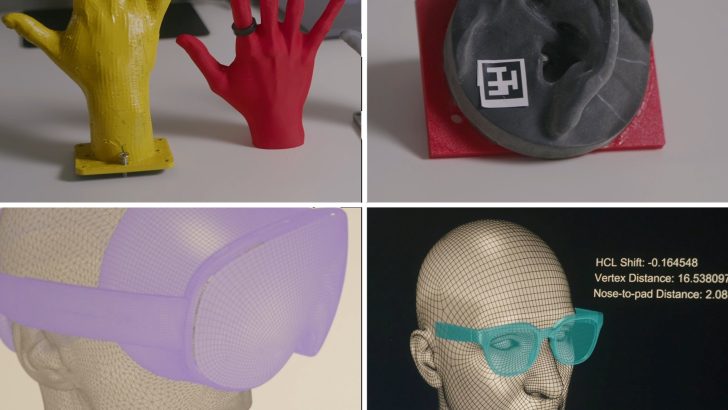
Developing wearables with the optimal fit and comfort remains a difficult yet crucial challenge. Not only do these factors make the device feel more seamless to use, but they are directly tied to maximizing overall performance and sensor accuracy. However, the fact that each person’s anatomy is completely unique presents a major hurdle. But what if there was a way to meticulously engineer comfort, fit and sensing so precisely, it could deliver the optimal experience for nearly everyone?
Samsung’s solution is Computational Design. This multidimensional process harnesses AI and advanced computing to analyze hundreds of thousands of quantitative and qualitative data points to generate, test and refine product designs with greater precision. The result is a fundamental shift from subjective feedback to objective, data-driven engineering, creating superior products with the optimal fit for the widest range of users.
That description captures computational design in the abstract — like a dictionary definition. To understand how computational design is actually used to create superior wearables, Samsung Newsroom visited the Samsung Design Innovation Center (SDIC) in San Francisco, home to the Computational Design Lab.

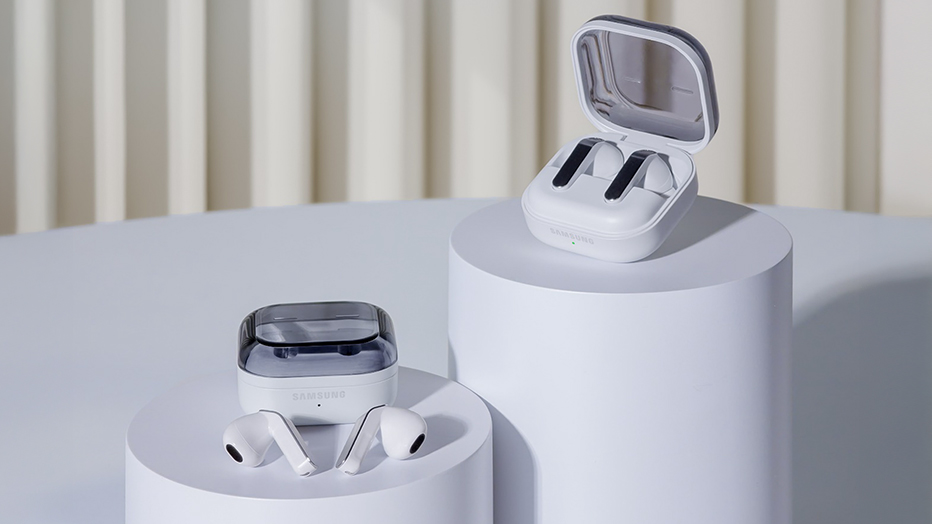
Spearheading the SDIC is Federico Casalegno, Executive Vice President and Head of the Samsung Design Innovation Center, who has spent the past two decades mastering the practice of computational design and leading the implementation of this core concept into Samsung’s product development. We sat down with Federico to discuss how SDIC employs computational design as a primary tool to create and optimize experiences for Samsung’s wearables, particularly the Galaxy Buds4 series.
Q. Tell us about SDIC’s role.
At SDIC, our mission is to deliver meaningful experiences by understanding people and their evolving lifestyles — always in the context of human-centered design. Ultimately, we want to delight customers and create products that help people live happier, healthier, more creative and more productive lives, while building a better future for all and preserving the environment. To achieve this, SDIC brings together the power of design and creativity with data-driven decision-making. Supported by AI, machine learning, robotics and advanced computing, our talented, multidisciplinary team of designers is constantly pushing the boundaries of what’s possible, delivering unparalleled user experiences and real, tangible benefits.

Q. What exactly is computational design and what is the philosophy behind it?
While we live in a unique era of technological innovation, Samsung’s approach to design was always deeply human-centered as we believe that technology without humanity is merely perfection without purpose. Computational design is how we bring this philosophy to life — it is the process of harnessing the immense power of AI, data and computing to design products for people, rather than expecting people to adapt to our products. This approach helps us to create devices that are fundamentally functional, intuitive, comfortable and beautifully crafted. Today, this methodology is applied all across our wearable portfolio, including Galaxy Watch8 series and Galaxy Buds4 series.
Q. How does computational design turn the ‘fit’ of a device into an objective, measurable metric?
For developing something as personal as a wearable that remains in contact with you for extended periods, fit is an essential element. It’s not just about comfort though; a secure fit is also needed for maximizing the precision of the device’s sensors. However, traditional design methods fail to measure wearability objectively, as they only rely on a small sample of people for product testing.
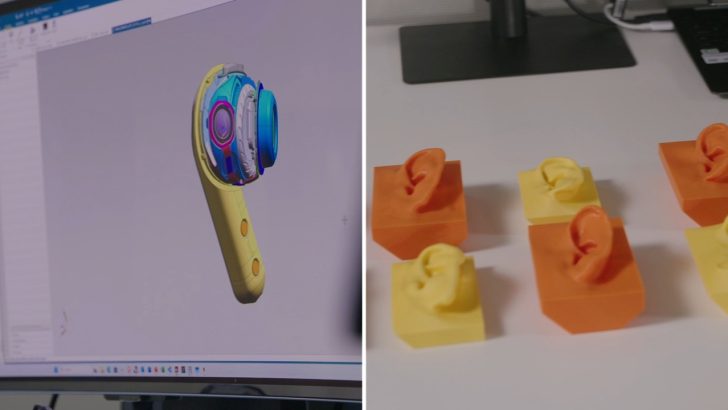
Computational design fundamentally changes this. By leveraging massive, digitalized datasets and advanced AI simulations, it transforms wearability into a quantifiable metric that allows Samsung to measure comfort and fit like never before. By being able to consider all the unique shapes and curves of the human ear or the wrist through computational design, our designers are equipped with trustworthy, objective insights that are difficult to attain through traditional methods.
Q. Tell us in detail how the computational design process works in the lab and how it was implemented in the Galaxy Buds4 series.
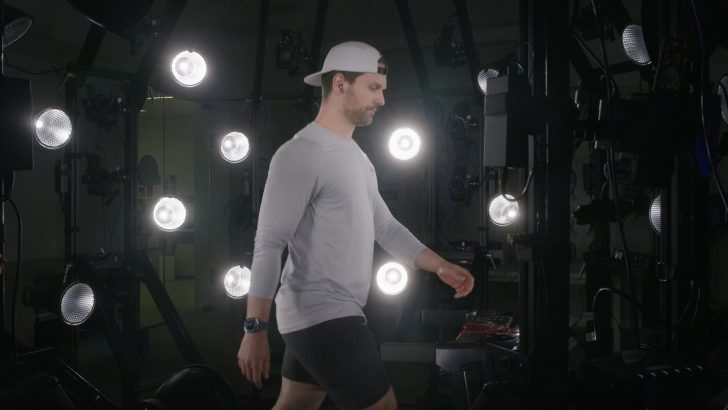
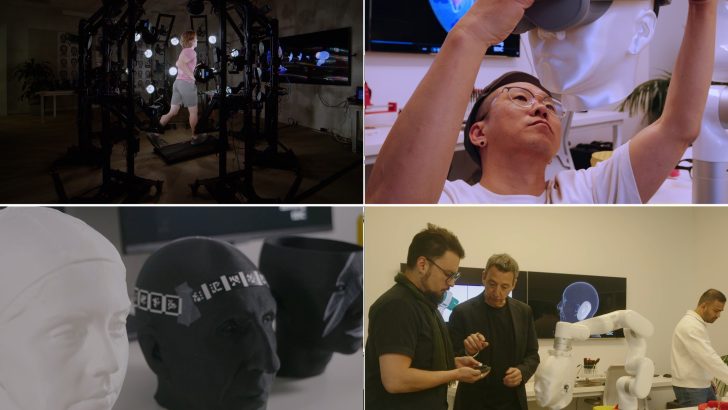
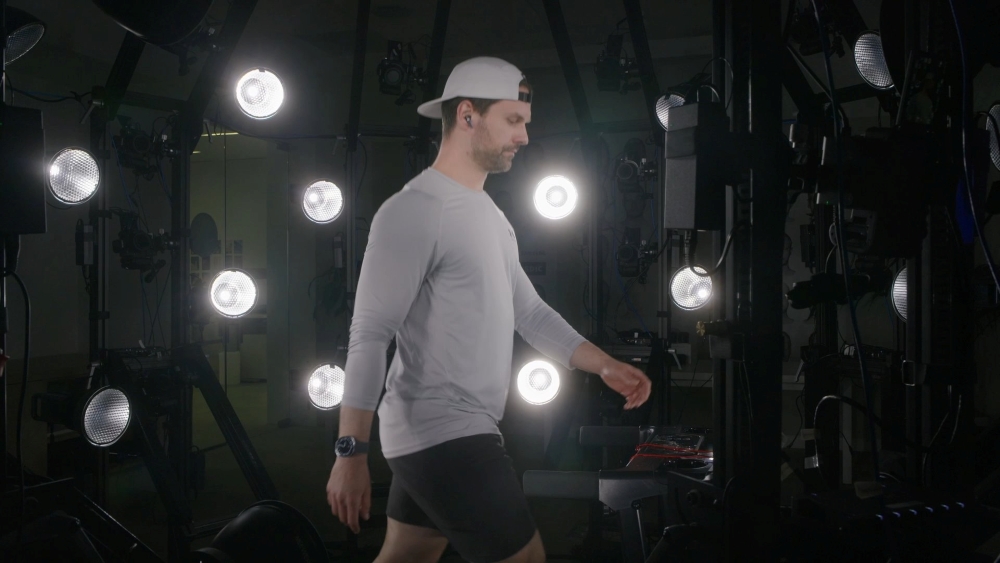
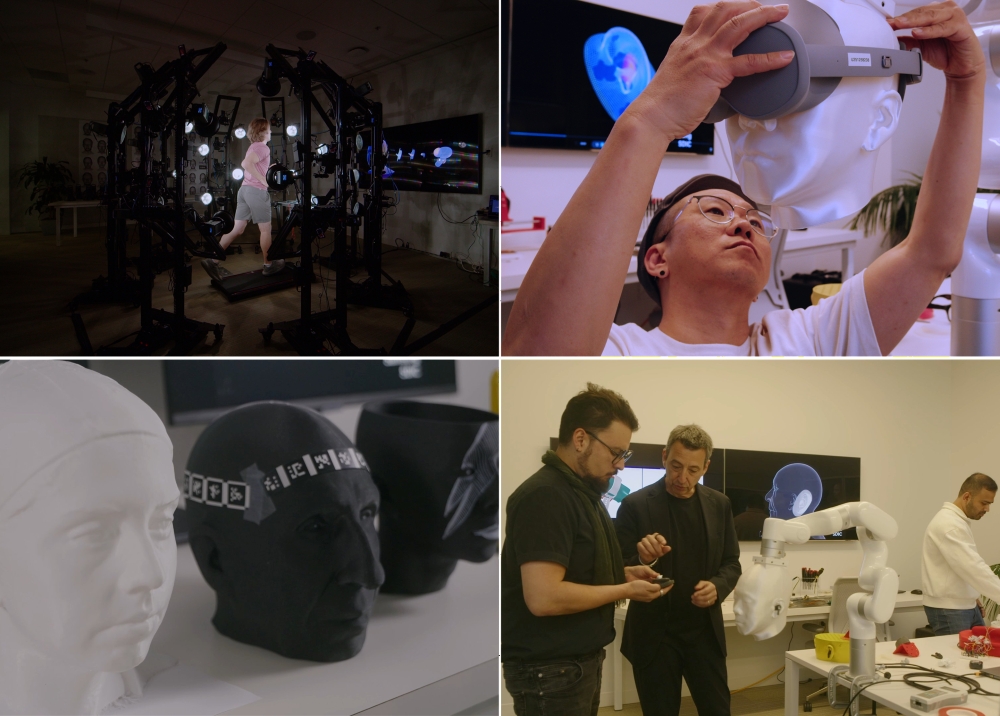
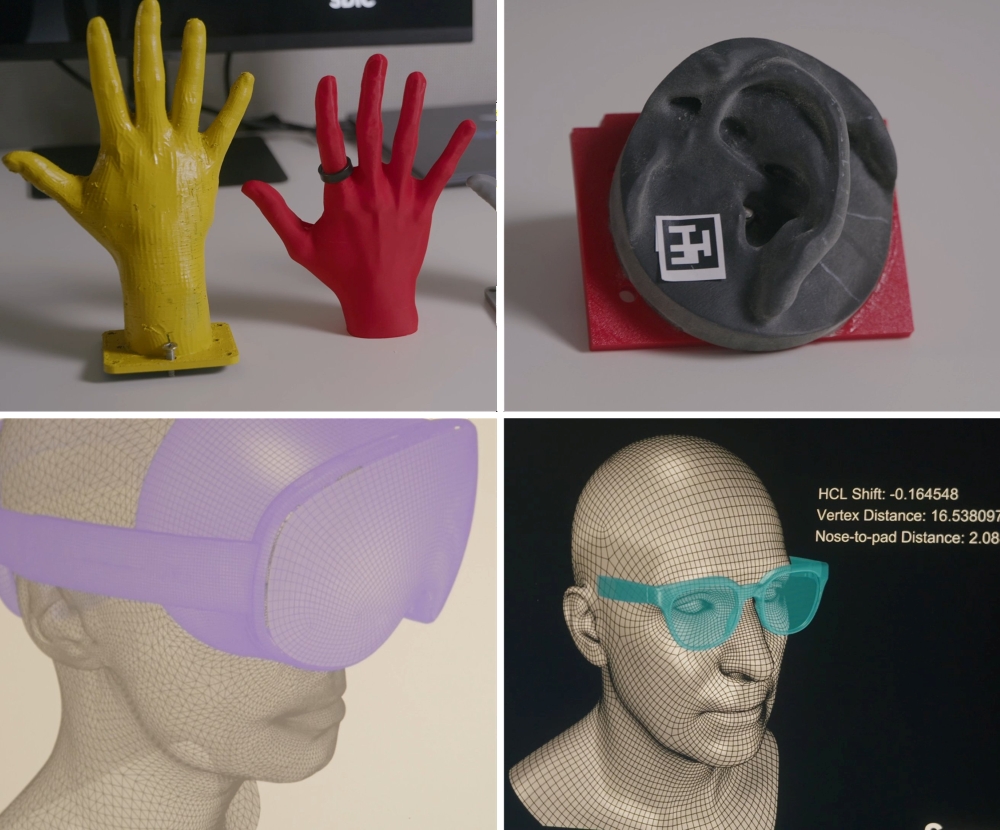
Our computational design process relies on three elements: real people, digital twins and robots. We capture 3D and 4D scans of a diverse global audience, integrating precise anatomical data to create ‘digital twins.’ We then run AI and physics-based simulations, cross-validating the results with physical robot testing.
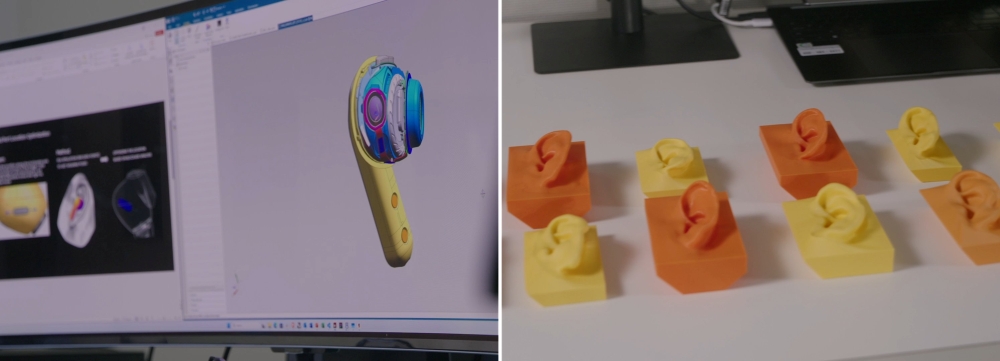
For the Galaxy Buds4 series, we applied this exact process to achieve perfect wearing comfort and premium sound. We analyzed hundreds of millions of global ear data points and ran more than 10,000 simulations to perfect the new blade design. This objective data led us to subtly reduce the size of the main head1 and refine the angle of rotation — minor adjustments that resulted in a dramatic, universally validated increase in stability and comfort.
Q. How does Samsung’s computational design ultimately benefit the users?
Samsung’s computational design process is powered by a unique proprietary dataset built exclusively from within Samsung and our team has developed several specialized AI programs based on this data. This combination gives us unique insights while we constantly innovate our design processes and methods. For Galaxy Buds and Watch specifically, this translates into improved wearing comfort, stability and sensor accuracy — key factors that elevate both the user experience and product performance.
Q. Looking ahead, how do you see Computational Design evolving over the next decade?
Computational design is now a foundational element of Samsung’s development process across all our wearable products. Our goal remains to maximize wearability, fit, comfort and sensor performance to ultimately serve the people using it.
Looking ahead, the true power of this process is its continuous evolution. As our dataset continues to grow, custom AI tools will drive more accurate simulations and deeper insights. These advancements will not only further improve product wearability, but also unlock exponential innovations down the line that lead to an entirely new category of wearables that can redefine the boundaries of user experience. Ultimately, this symbiotic partnership between computational design and AI frees our designers to be more creative, empowering us to deliver measurably superior products and experiences for the people who use them.
- Galaxy Buds4 only ↩︎
For any issues related to customer service, please go to Customer Support pagefor assistance.
For media inquiries, please click Media Contactto move to the form.