[Interview] Scenes of Memory and Modern Life: Sun Yitian x Samsung Art Store
on April 10, 2026
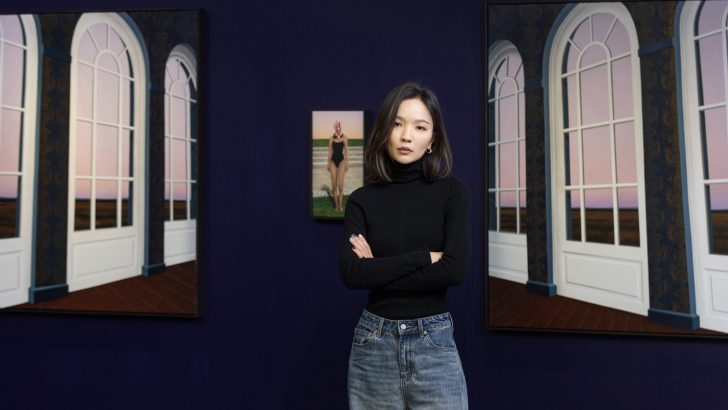
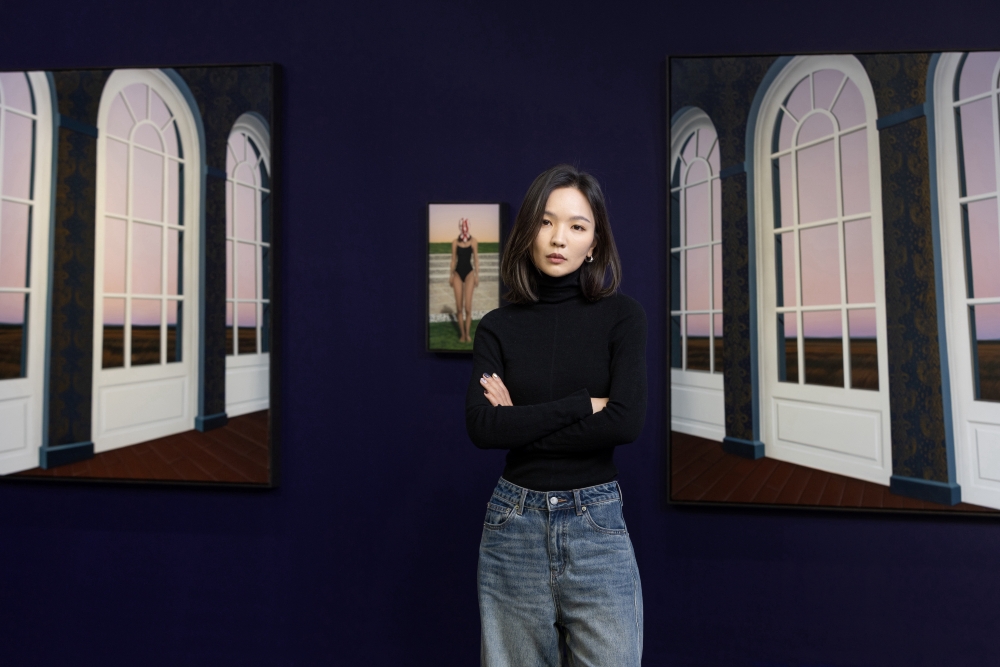
At first glance, Sun Yitian’s paintings can feel bright, crisp and almost disarmingly familiar. But beneath their polished surfaces is something more elusive — a tension between innocence and artifice, nostalgia and unease. That quality has made her one of the most closely watched voices in contemporary painting today.
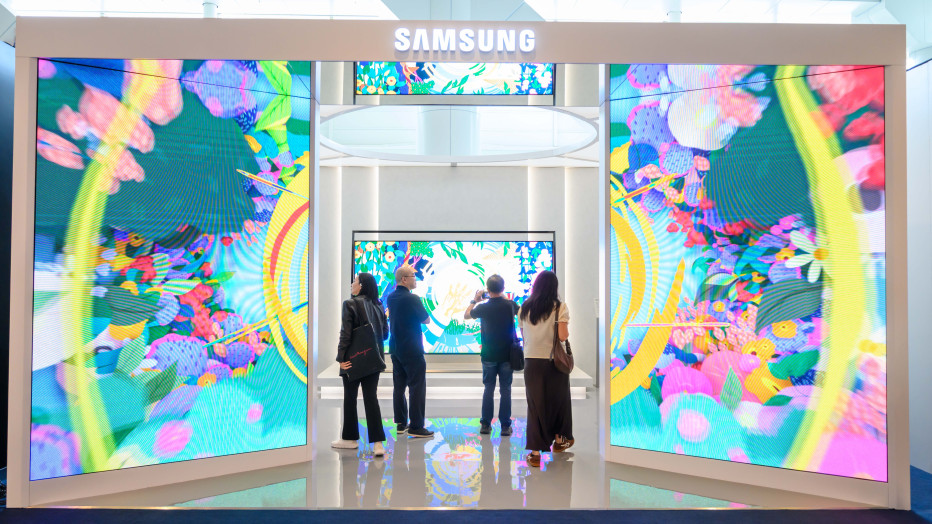
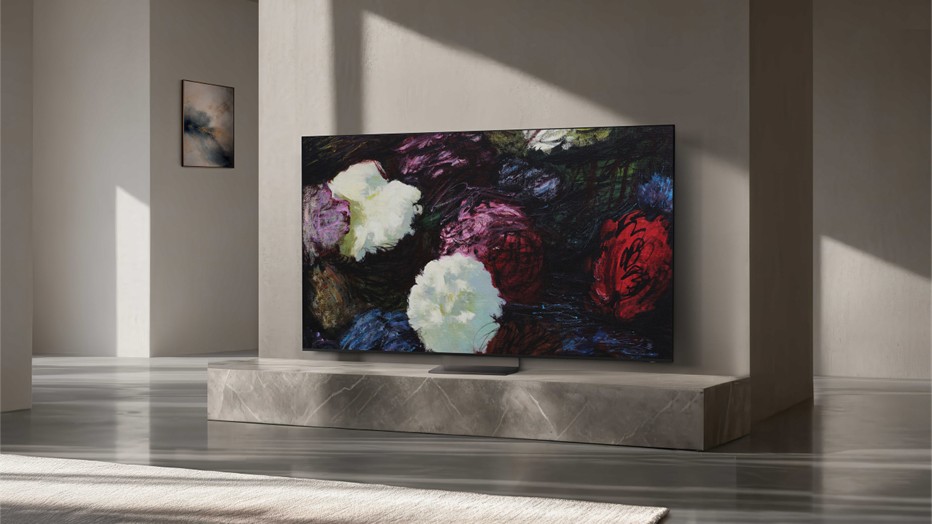
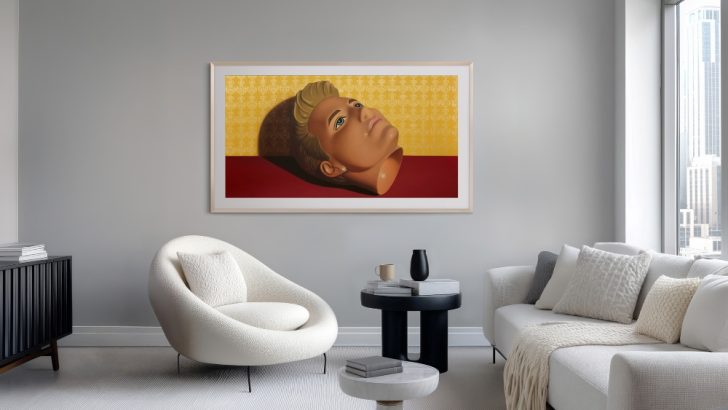
Following Art Basel Hong Kong 2026, Sun’s “Ken” (2023) is exclusively featured in the new Art Basel Hong Kong 2026 Collection on Samsung Art TVs.1
To mark the occasion, Samsung Newsroom spoke with Sun about her artistic philosophy, her visual language and what inspired this collaboration with Samsung Art Store.
Painting the Familiar Anew
Q. “Ken” (2023) is featured in this year’s Art Basel Hong Kong collection on Samsung Art Store. What’s the meaning behind this work?
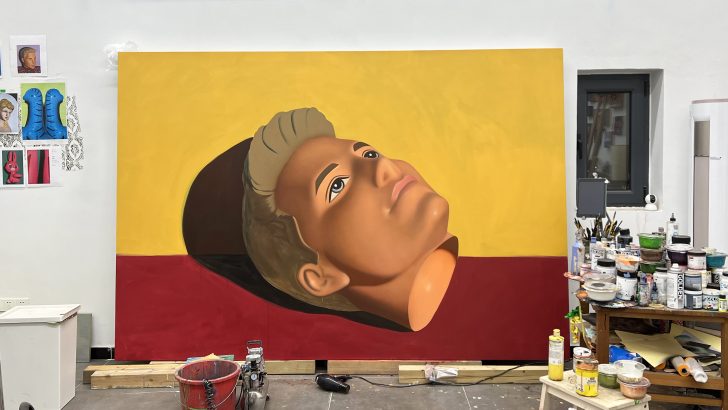
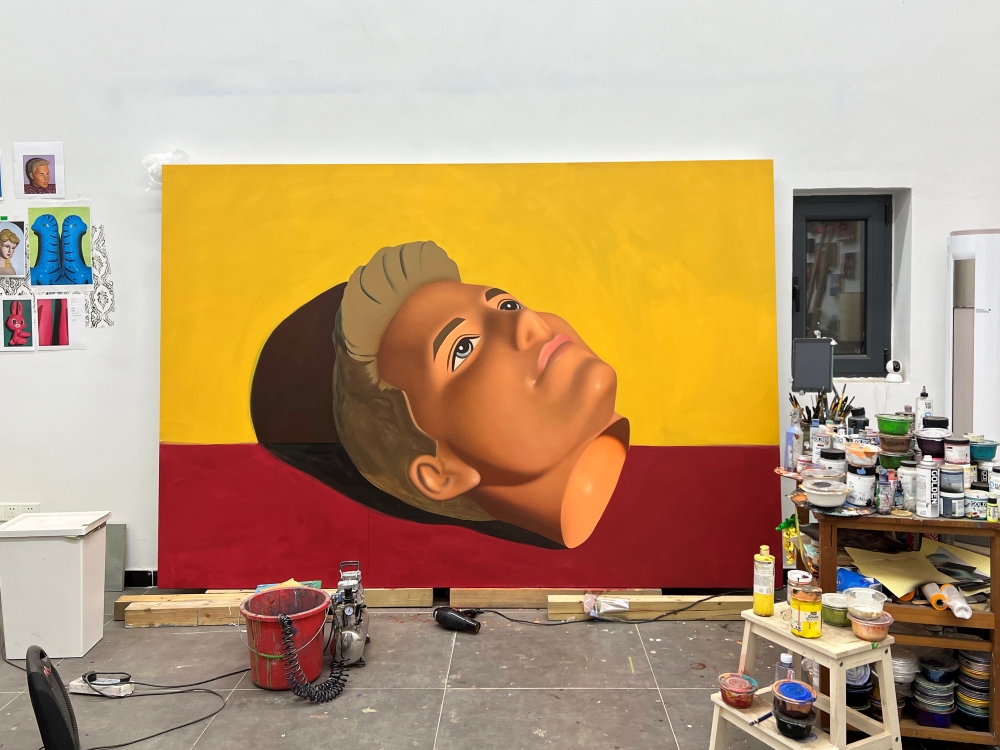
My earlier iterations of “Ken” were all relatively small. This version is the first time I’ve painted him at a large scale — three meters across. I wanted the male figure in the painting to become the object of the gaze.
Barbie’s boyfriend feels very characteristic of our current moment. He has had all roughness and resistance removed. He is handsome, healthy and radiant. But he is empty. Inside, he is just plastic. He exists only as Barbie’s counterpart. I did not want to paint him as a toy, but as a living, beautiful head. When pilgrimage is stripped of traditional faith, it begins to reflect a problem of modernity.
“They were my companions in childhood, and they also carry the imprint of the time we live in.”
Q. Many of your paintings begin with familiar objects, toys or images from everyday life. What draws you to those subjects, and what do they allow you to explore as an artist?
I grew up in China in the 1990s, so I — and most people my age — did not have siblings. It was also a period of rapid economic change, shaped by reform and greater openness to global trade. My hometown, Wenzhou, is known for manufacturing.
As a child, I often visited local factories owned by friends’ families. The assembly lines and showrooms were filled with toys, eyeglasses and such goods ready for export to markets around the world. At home, I spent a lot of time alone with my dolls while my parents were away.
Later, when I was in college, I visited the city of Yiwu, known for its wholesale markets. I was struck by these small everyday objects — their shapes, materials, colors and textures all seemed to carry the atmosphere of a particular era. That experience led me to begin my “Man-Made Objects” series.
In the modern world, objects have become increasingly short-lived. I feel attached to these fleeting things made on assembly lines. They were my companions in childhood, and they also carry the imprint of the time we live in.
Q. What does painting allow you to do with these familiar objects that another medium might not?
Much like the subjects of my work, paint itself is also a material object. In a sense, I use one object — paint — to represent another object through realism. What matters to me is the painting’s physical presence. That is the key difference between a painting and an image of a painting on a screen: the painting exists physically as a real, tangible object.
I care deeply about the concept of painterliness, but I do not want my brushwork to be too expressive or too obvious. I do not want the texture to call attention to itself on the surface. I prefer to let it emerge quietly, in hidden and subtle places.
Where Nostalgia Meets the Present
“As a painter, I know painting is a very old medium. But as a younger artist, I am open to trying new languages and new tools.”
Q. What first drew you to painting as your way of seeing and interpreting the world?
I studied at an art school in Beijing, but painting had already been part of my life since childhood. Over time, through constant practice and repetition, I gradually developed my own artistic language.
When I was little, I loved Shogo Hirata’s fairy tale books and would constantly copy the characters. I was also obsessed with “Sailor Moon” and drew its characters over and over again. I still remember one moment in kindergarten when I drew a princess for my classmates and cut small slits into her dress with scissors. When I held it up to the sunlight, the light came through and made the dress seem as if it were glowing. Everyone was delighted. I think that may have been the moment I realized how interesting drawing could be — and that I wanted to keep doing it.
Q. Your paintings are incredibly precise, but they also leave room for ambiguity and feeling. How do you think about that balance as you work?
Only when the choice of object, the coolness of the brushwork and the objectivity of the viewpoint are pushed to a very high degree of precision can ambiguity and emotion rise within the painting. Otherwise, it would simply be a depiction of an object, without meaning.
Q. How have you seen technology shape the way art is made, shared and experienced today — and where do you think that relationship is headed?
New technologies are constantly reshaping the way art is made today. As a painter, I know painting is a very old medium. But as a younger artist, I am open to trying new languages and new tools. That does not necessarily mean bringing them directly into my paintings. Rather, they push me to reflect on what painting means at this moment — what I should paint next, and how I should paint it.
From the Fair to Everyday Life
Q. Samsung Art Store creates a different context for discovering and experiencing art at home. How do you think your work resonates differently on displays than it does in a gallery or museum?
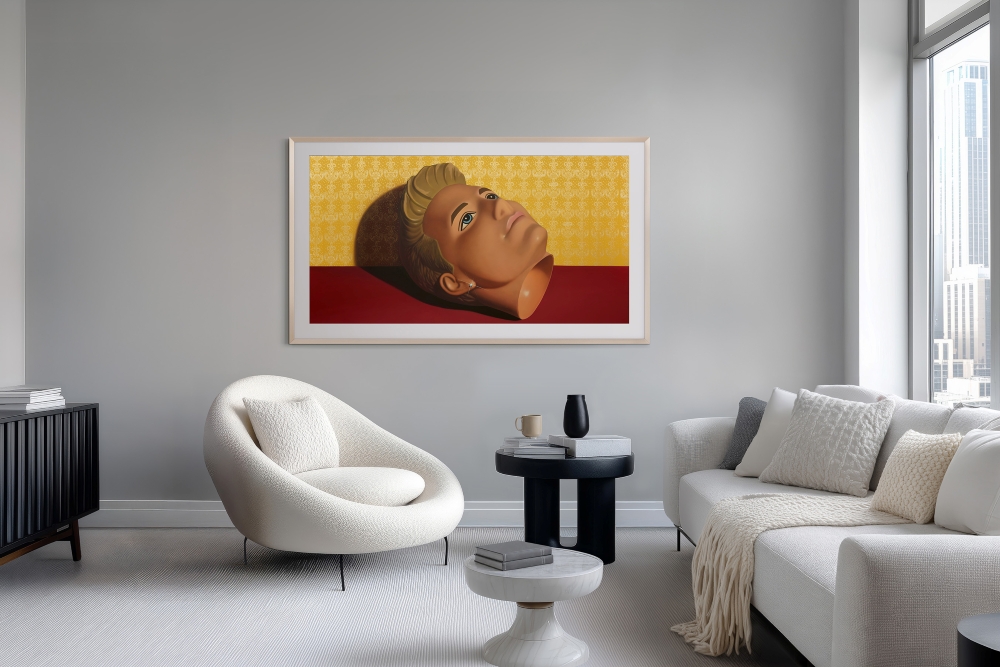
When my work is shown in a more private and intimate setting through a digital screen, it can take on a different feeling from the original painting. That shift is interesting to me because it allows people to encounter the work in everyday life, in a more personal way. On displays like The Frame, viewers can spend time with an image in their own space and notice details they might experience differently in a gallery or museum. At the same time, the original painting still has its own physical presence, so I hope people remain curious to see both. Right now, “Ken” is on view at the Long Museum in Shanghai.
Q. What interested you in partnering with Samsung Art Store to bring your art into the home, and what do you hope viewers take away from that experience?
I just hope my friends turn on their Samsung TV, see my giant “Ken” and get a little surprise!
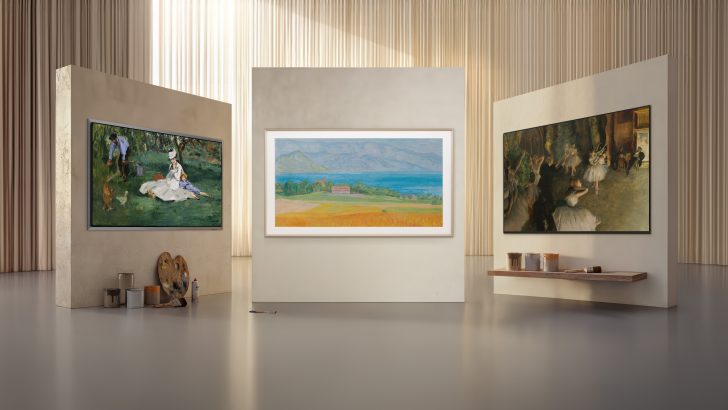
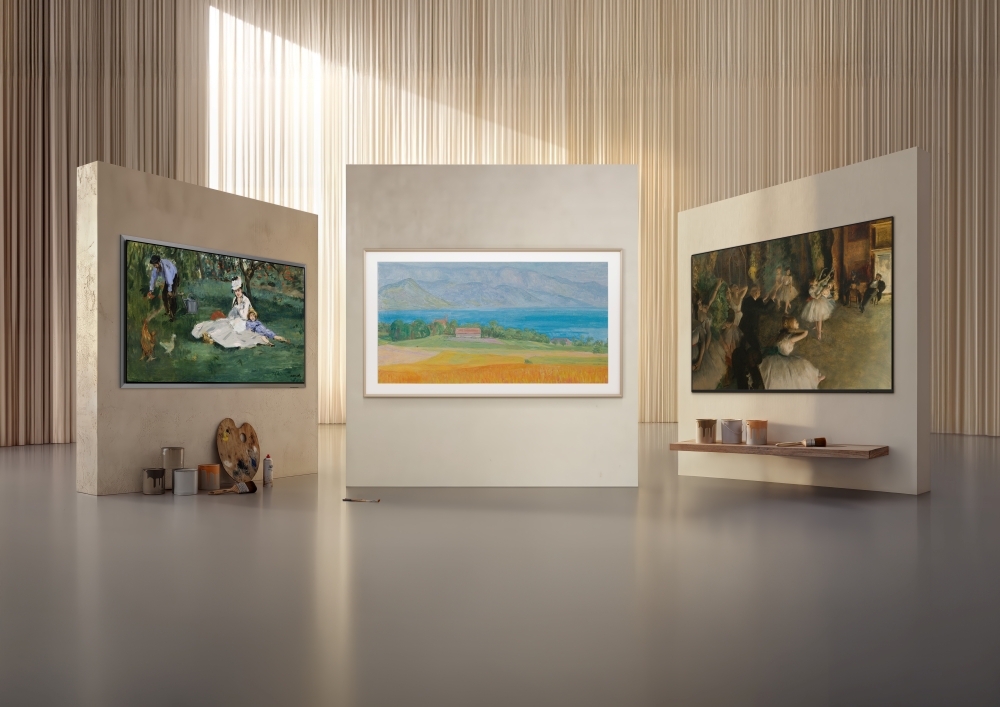
Samsung Electronics serves as the official display partner of Art Basel and launches the Art Basel Collections on Samsung Art Store. These curated digital exhibitions are available exclusively on Samsung Art Store and feature artists showcased at four Art Basel venues — Hong Kong, Basel, Paris and Miami Beach. Samsung Art Store brings together more than 5,000 artworks in 4K from over 800 artists and 80+ partners in a single subscription service. Available across Samsung’s expanded 2026 Art TV lineup, it offers a new way to live with art through screens designed to fit naturally into everyday interiors.
- Samsung Art TVs include all 2026 models with Samsung Art Store above the M80H, except S90H and S85H. ↩︎
For any issues related to customer service, please go to Customer Support pagefor assistance.
For media inquiries, please click Media Contactto move to the form.