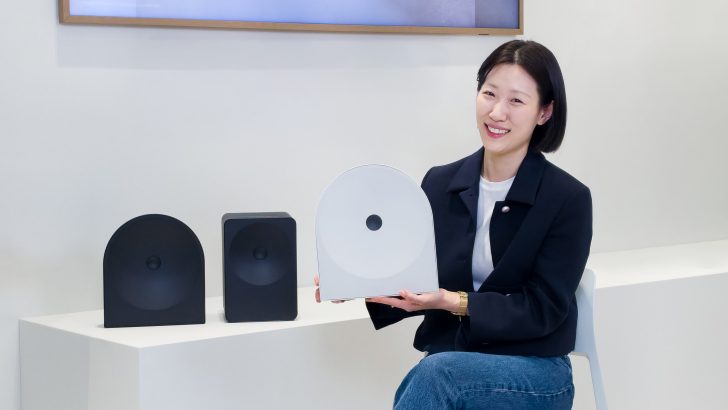
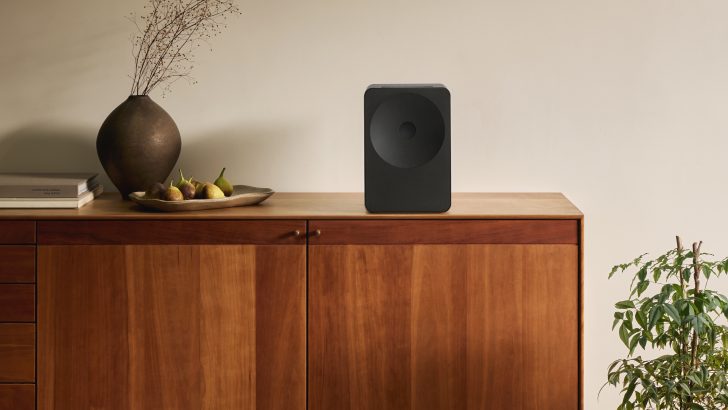
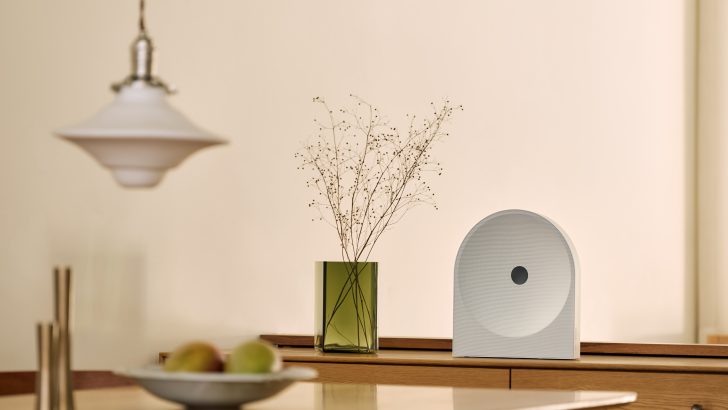
[Interview] Where Sound Meets Design — Redefining the Audio Experience With Music Studio
on June 1, 2026
As the demand for exceptional sound grows, the role of audio devices is evolving. Speakers are no longer confined to simple playback, now acting as sculptural elements that shape the atmosphere of a space, offering not just pristine audio but also striking visual appeal and experiences designed for everyday living as design objects.
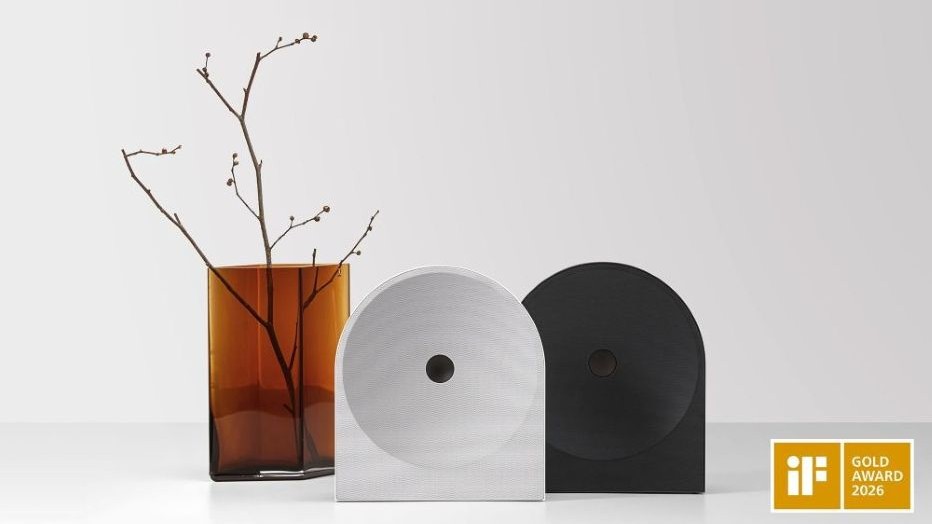
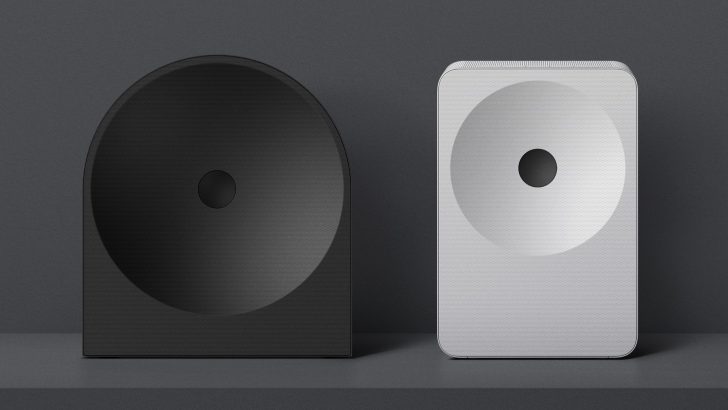
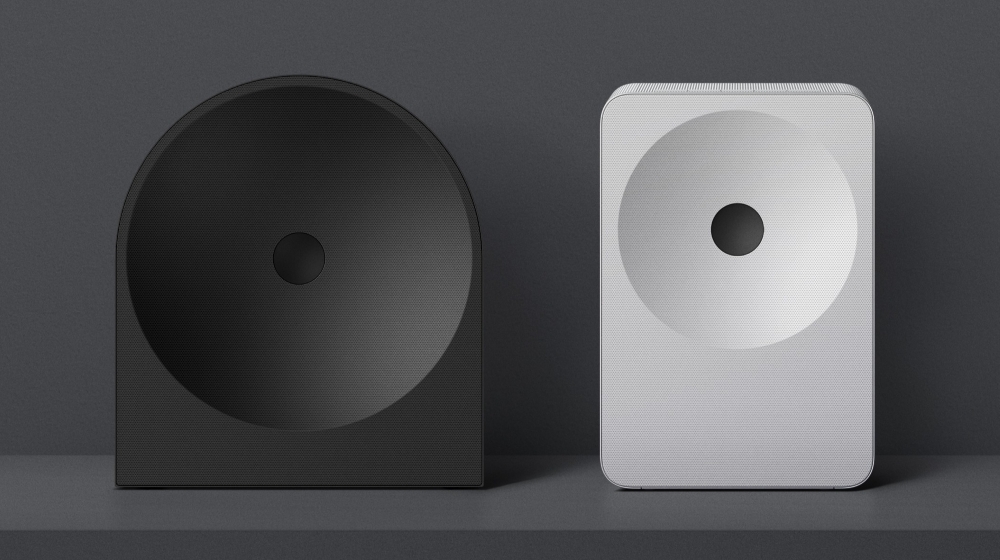
Samsung Electronics’ Music Studio, a wireless Wi-Fi speaker, was born from this evolution. Drawing inspiration from an orb and a dot, visual representations of how sound expands, its design stands out as a distinctive presence in any space. Meanwhile, its finely tuned acoustics flood a space with lush, immersive sound, elevating the fundamental value of audio.
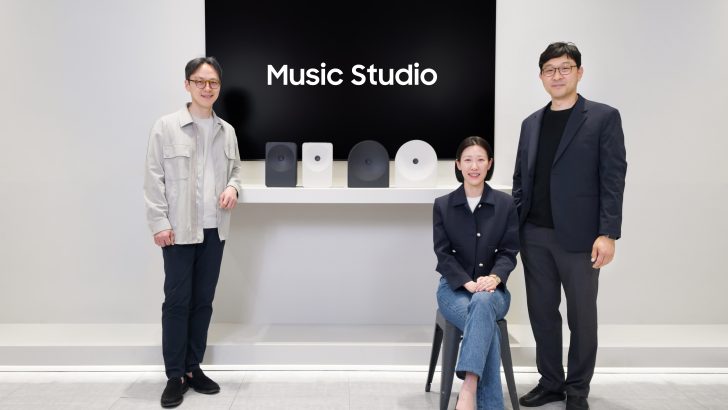
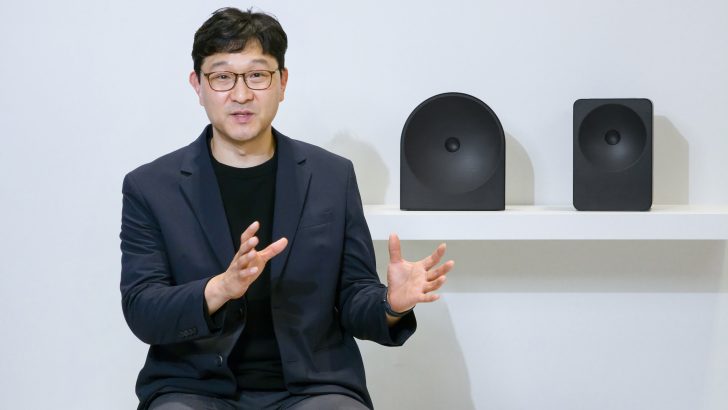
Samsung Newsroom spoke with Jongmin Kim of the Product Planning Group, Jongbae Kim of the Sound Lab and Minsun Kang of the Product Design Group — all within the Visual Display (VD) Business Division — to explore how Music Studio redefines the boundaries between sound technology and design.
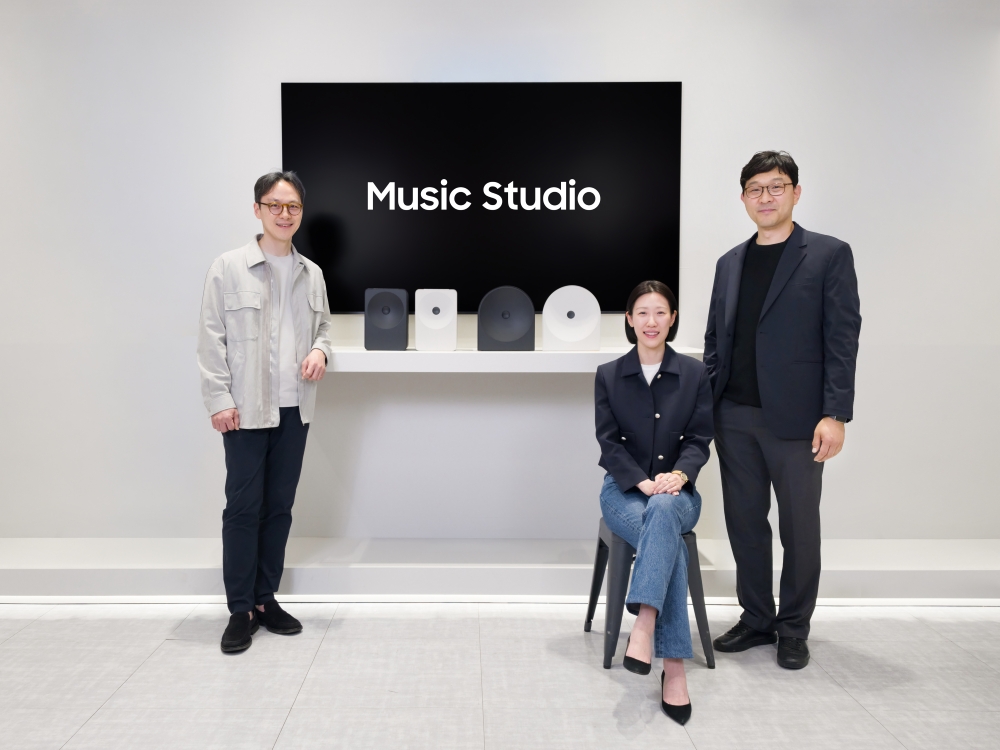
From Casual Listeners to Immersive Listeners: Tailoring the Listening Experience
The reasons people choose audio devices are more varied than ever, shaped by personal tastes and how they enjoy content. As immersive spatial audio from movies to games becomes a staple beyond just music, more listeners seek products that blend cutting-edge performance with inspired design.
Jongmin Kim explained the thinking behind Music Studio: “We focused on preserving the essence of sound while ensuring the product blends naturally into its surroundings, optimizing the overall user experience.” The decision to introduce two distinct models was based on in-depth consumer analysis. “We identified different needs between ‘casual listeners,’ who enjoy background music in their daily lives and ‘immersive listeners,’ who focus on the finer details of sound and fully engage with content,” Kim added. “Based on this, we differentiated the core value of each model to better serve each listening style.”
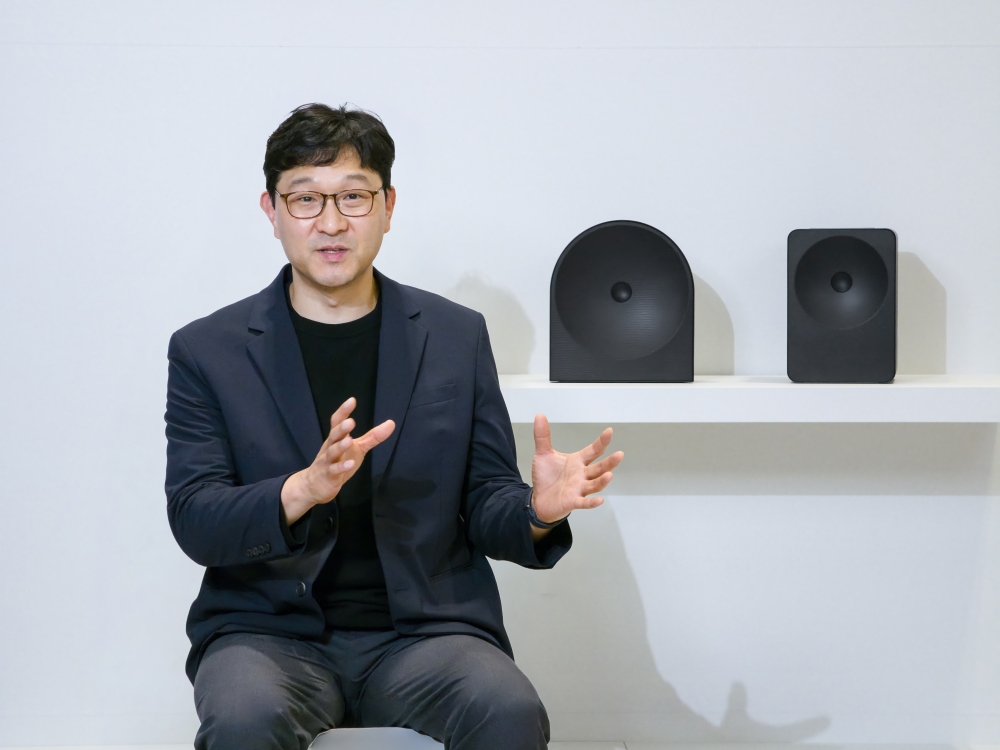
Collaboration with global partners was also a key factor in expanding the listening experience. “To deliver meaningful value to users, we worked closely with our partners,” Kim said. “As a result, we were able to introduce Spotify Tap — a Wi-Fi-based feature that allows users to start music with a single button press without using a smartphone — to Music Studio for the first time globally, creating a differentiated user experience unique to Samsung audio products.”
Bringing Live-Like Immersion to Everyday Spaces With Music Studio 7
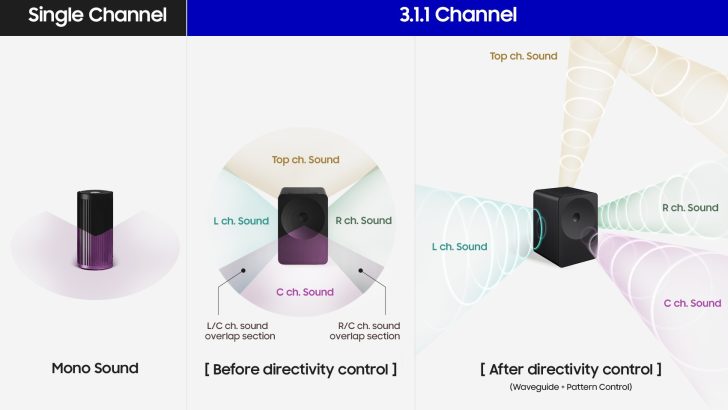
Creating an immersive audio environment requires highly sophisticated sound engineering. Designed specifically for spatial audio, Music Studio 7 underwent nearly two years of development and validation. At its core is a 3.1.1 Channel system that delivers sound in four directions — front, left, right and upward — along with advanced acoustic technologies that precisely control each channel.
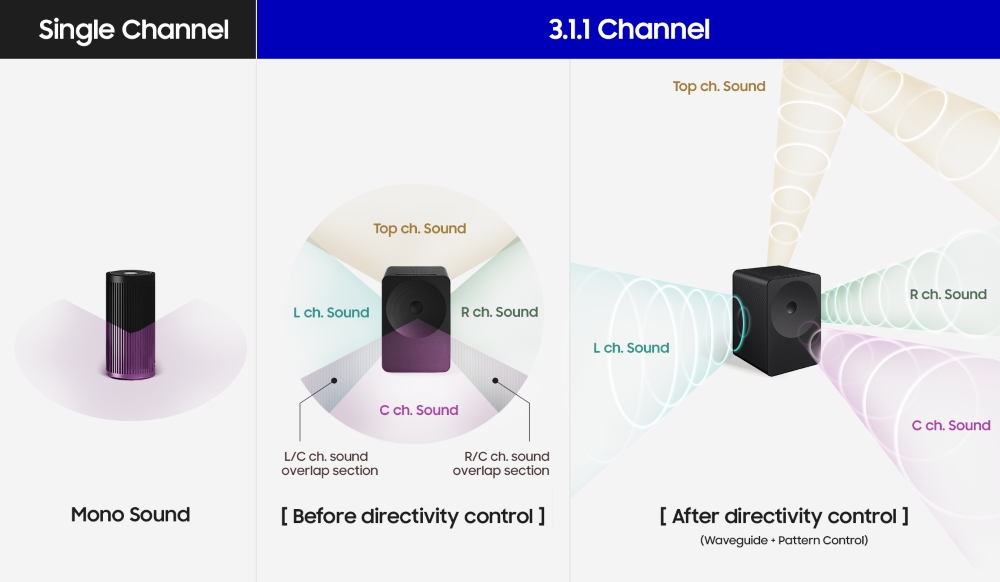
Jongbae Kim emphasized, “To create a sense of space from a single device, it is essential to control each channel so that sounds do not blend together. The ‘Waveguide’ and ‘Pattern Control’ technologies applied to Music Studio 7 are core technologies for spatial audio sound.”
The high-frequency range, which has strong directivity, can be easily controlled using the physical structure of the Waveguide. However, the mid-frequency range, which has relatively longer wavelengths, is difficult to narrow down in directivity using only the Waveguide. Pattern Control is a technology that suppresses specific sound areas using phase control signals. By inputting phase control signals based on Left, Right and Top channels into the front channel, it prevents the directivity of each channel from spreading unnecessarily. This enhances channel separation and delivers a more immersive sense of depth and 3D moving effects, even with a single speaker. Kim explained, “With these technologies, we have made it possible to clearly perceive the precise location and movement of sound using just one speaker.”
To push performance even further, AI Dynamic Bass Control tackles the low-frequency distortion often found in compact speakers. This technology automatically analyzes and fine-tunes the woofer’s nonlinear movement, delivering deep, powerful bass from a surprisingly small package.
Music Studio 5 Balances Design and Sound Through Refined Aesthetics
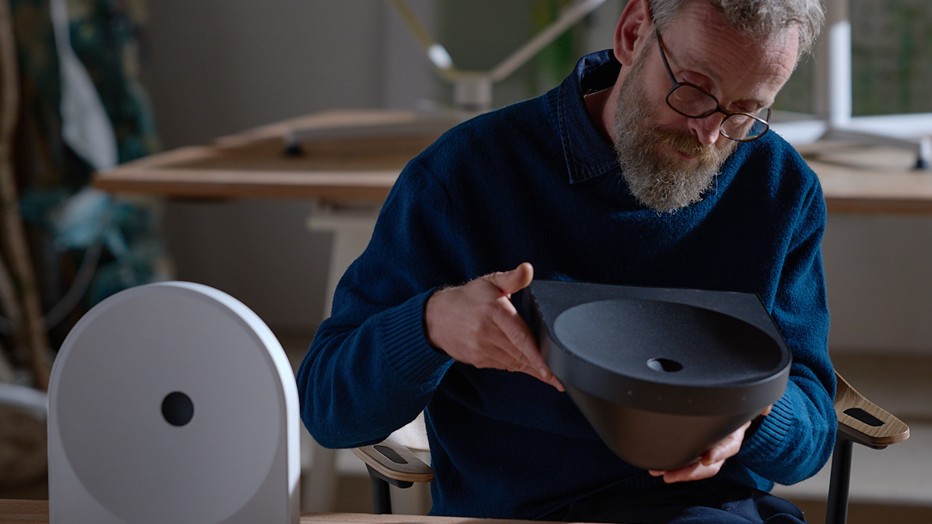
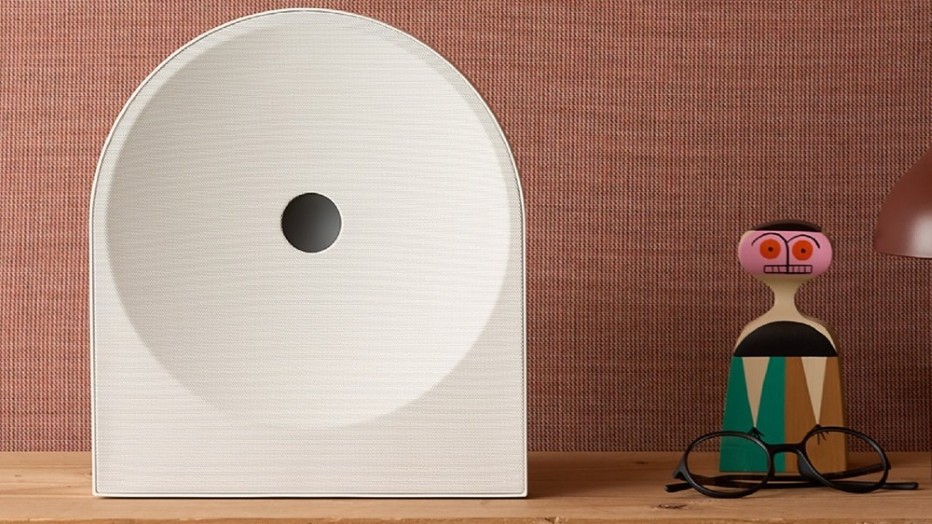
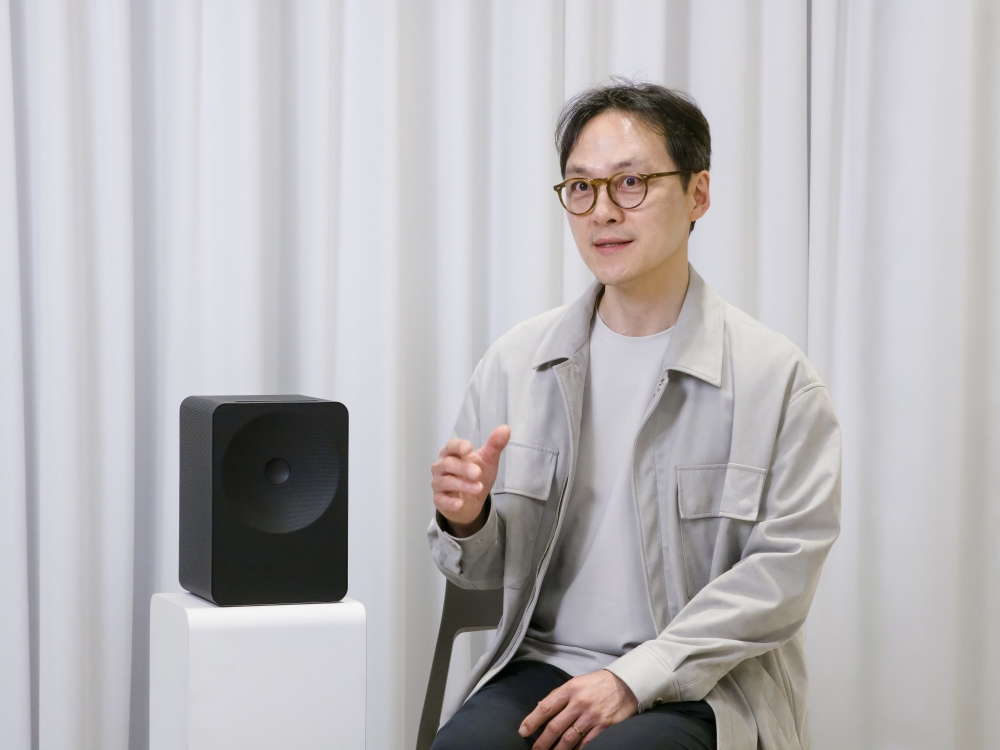
Music Studio 5 offers harmonious sound wrapped in sculptural elegance and lifestyle-oriented design. Minsun Kang shared, “One of our biggest challenges was preserving Music Studio’s unique look while making sure it excelled as a speaker.”
A key influence was the collaboration with acclaimed furniture designer Erwan Bouroullec, which helped define Samsung Audio’s design language. Kang noted, “Blending Bouroullec’s artistic vision with Samsung’s practical approach, we crafted a look that feels at home as part of daily life.” Early on, the team experimented with bold forms to spark creativity, but turning these ideas into a high-performing speaker brought unique technical hurdles in arranging components and perfecting the acoustic structure.
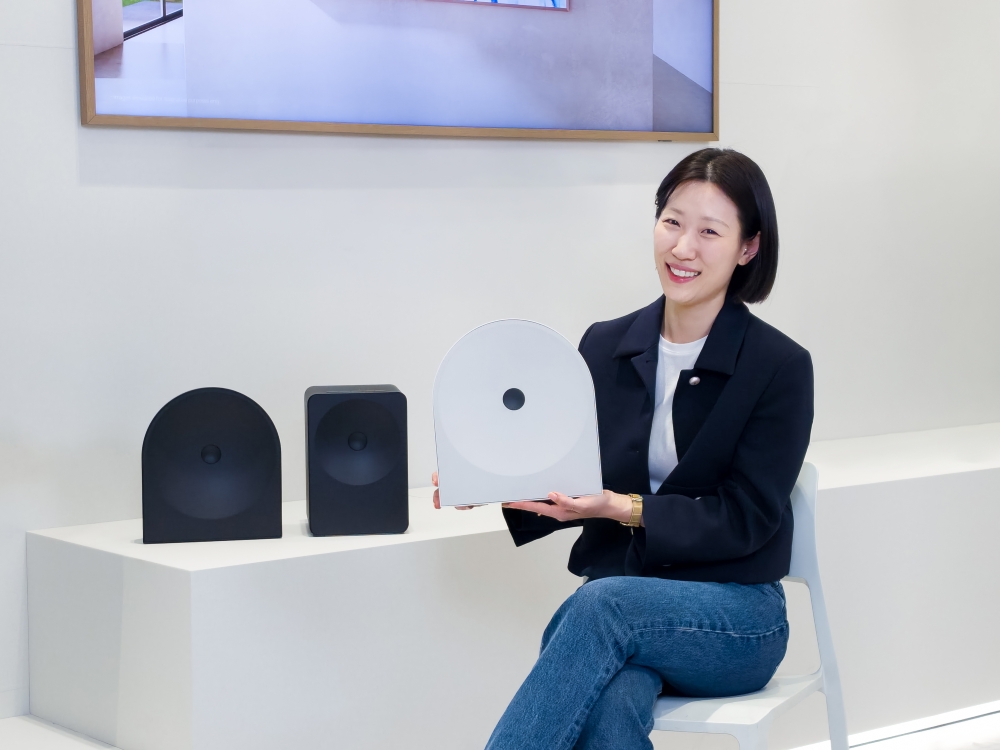
Kang shared, “To achieve both sculptural refinement and rich sound, we used a micro-perforated design on the front of the product. From afar, it stands out as a striking piece, but up close, its structure reveals the essence of audio.” In recognition of its design brilliance, Music Studio 5 was honored with the Gold Award at the prestigious iF Design Awards 2026. Kang added, “This achievement is the result of close teamwork with Bouroullec and the relentless dedication of our entire design team. We feel a special connection to this product, as it truly captures the meeting point of technology and aesthetics.”
In addition, Samsung’s proprietary Bluetooth audio codec, SSC (Samsung Seamless Codec), ensures stable, high-quality sound even without wires, perfectly uniting sleek design with top-tier performance.
Expanding the Sound Ecosystem With Q-Symphony
Rather than functioning as a standalone device, Music Studio offers an integrated entertainment experience through seamless connectivity and optimized sound synchronization across devices. As a Wi-Fi speaker with fully wireless connections except for power, it offers the flexibility to place it freely throughout the home. Jongmin Kim emphasized, “Regardless of where it is placed, Music Studio delivers sound optimized for the user’s listening environment, whether for music or video content.”
The Q-Symphony feature, which wirelessly connects with Samsung TVs, further enhances this experience. Supporting up to five devices simultaneously — including 2026 Wi-Fi speakers and soundbars — creates a more immersive surround-sound environment without limitations across product types.
Kim explained, “Users can freely configure the system to suit different spaces and use cases — for example, by connecting up to five Music Studio 7 units or pairing a Q-Series Soundbar with four Music Studio speakers. In such a configuration, the system supports up to 19.1.8-channel output, delivering dense, room-filling sound.”
He continued, “Our ultimate goal is to expand connectivity to a wide range of platforms — including partner products, TVs and mobile — so that users can experience optimal sound throughout every moment they engage with content.”
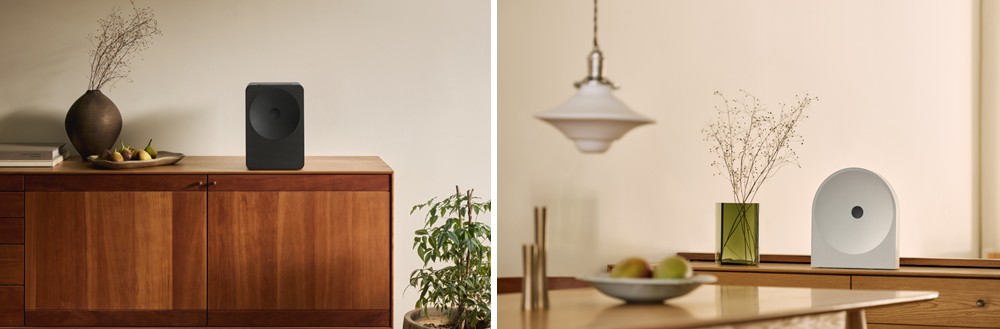
Going beyond the conventional speaker form, Music Studio sets a new standard for both performance and design. Samsung Audio’s innovation continues to enrich everyday spaces with immersive sound and refined aesthetics.
For any issues related to customer service, please go to Customer Support pagefor assistance.
For media inquiries, please click Media Contactto move to the form.