Meet the Generation17 Young Leaders: The Story of Rahaf Abu Mayyaleh
on January 23, 2026
Rahaf Abu Mayyaleh is a Jordanian youth educator and member of Generation17, a Samsung and United Nations Development Programme (UNDP) partnership empowering young people who are contributing to the Global Goals.
Since 2020, the initiative has supported Young Leaders worldwide with Samsung Galaxy technology, mentorship and networking opportunities to amplify their stories and solutions.
Growing up, Rahaf saw how digital skills training was out of reach for young people. Now, she’s changing that by creating accessible tech education programs for the next generation.
Rahaf Abu Mayyaleh knows what even one opportunity can do. As a teenager, she got the chance to take a programming course that changed her life. It showed her what was possible when you have access to tech education and mentorship. “It was really the first course I had in robotics,” Rahaf says. “That experience was a turning point.”
Youth unemployment in her home country is nearly 40% according to the UN, and many young people have limited access to the digital skills that could lead to employment. The tech field can feel inaccessible, reserved for those with resources and connections.
Rahaf set out to give young people what that programming course had given her: not just skills, but confidence and a sense of possibility.
Empowering Young People to “Innovate and Go”
In 2017, at age 15, Rahaf joined an initiative with friends to teach digital skills to young people who had no access to this kind of education. By 2023, this had grown into the registered organization IBTKRGO, which means “Innovate and Go.”
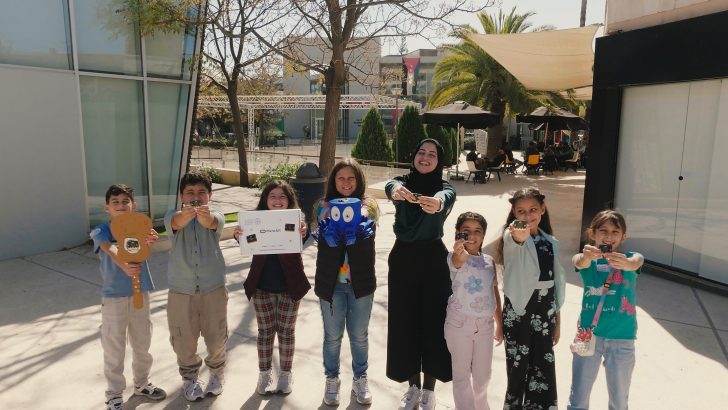
Through workshops, summer camps and one-on-one mentorship aligned with the UN’s Global Goals for quality education (Goal 4) and decent work (Goal 8), IBTKRGO has trained over 750 young people. More than 30 workshops have been offered free to vulnerable communities, including refugees.
Tech Skills for Tomorrow’s Workforce
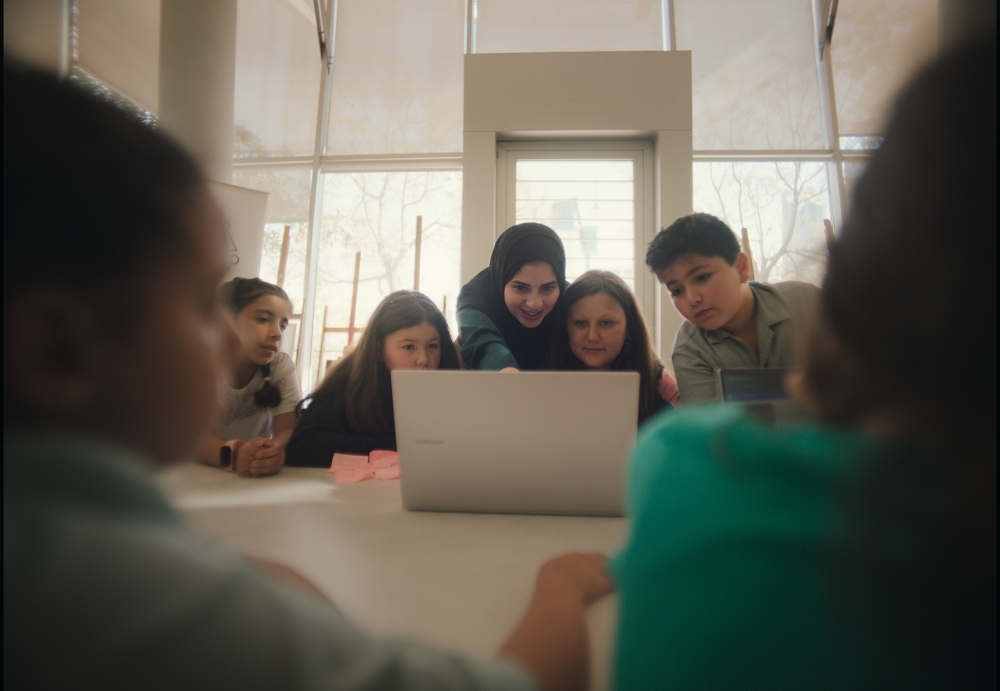
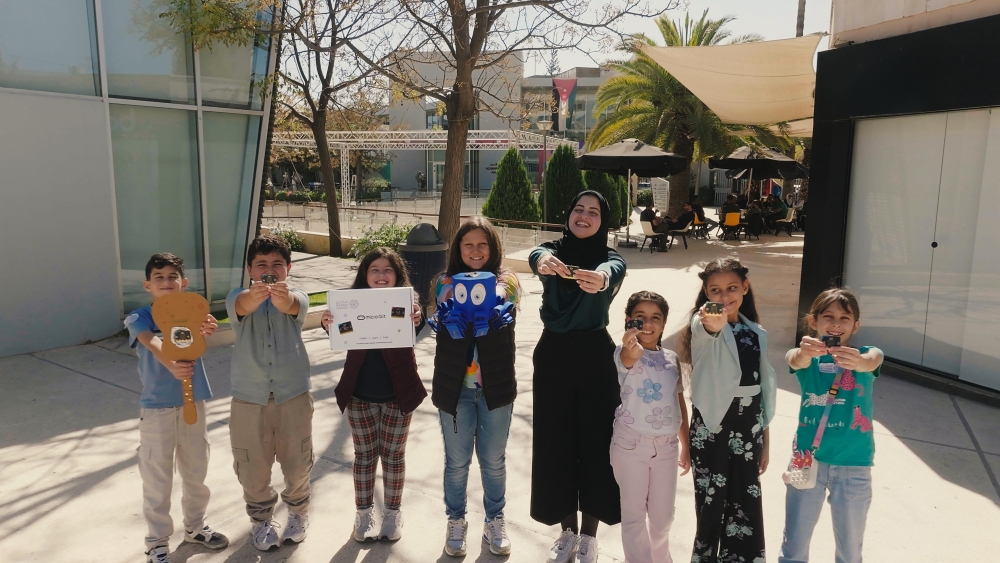
Rahaf designed educational kits with recyclable packaging where students learn programming, robotics and AI using electronic components that can be upcycled after use. “We’re providing them with quality digital education, which is very important for today’s and tomorrow’s job market,” says Rahaf, who is now 23.
But technology isn’t just what Rahaf teaches; it’s how she runs IBTKRGO. It allows her to coordinate workshops across Jordan, manage her team of volunteers and document her work for social media to raise awareness.
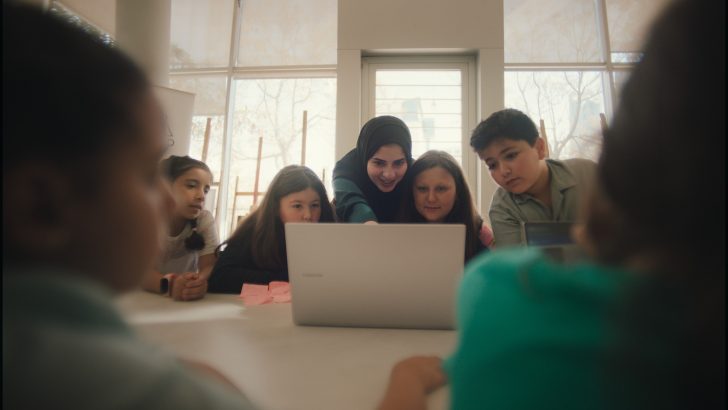
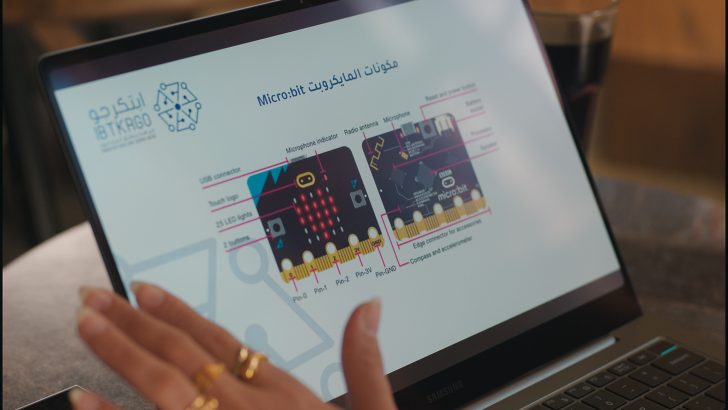
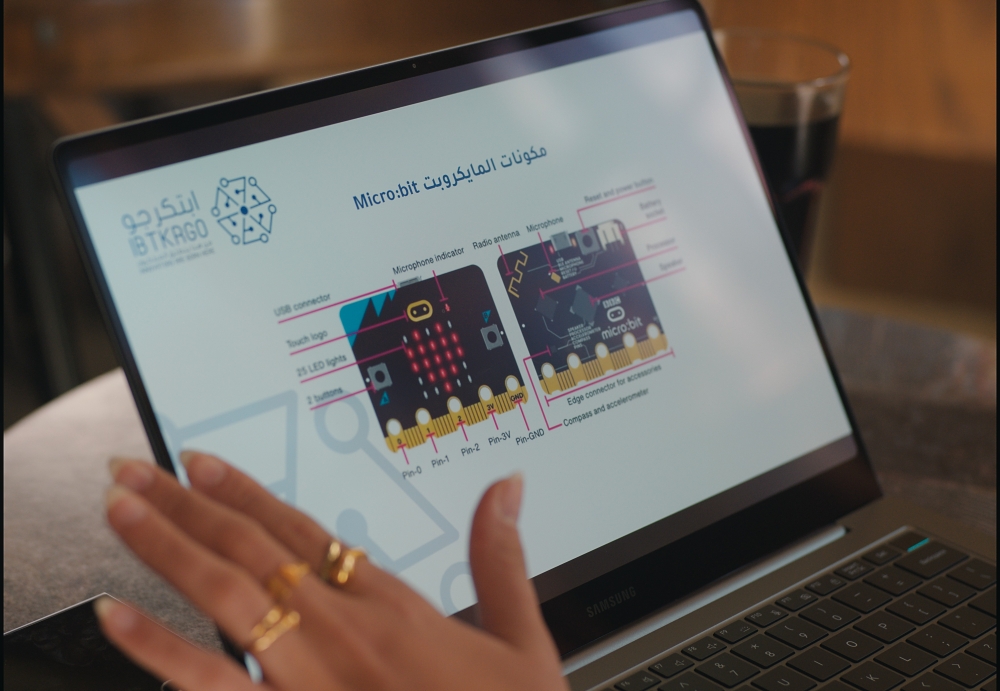
During classes, students get hands-on with computers and micro:bits — small, programmable devices designed for learning coding basics — to develop their skills and build simple robots. The engaging approach helps make abstract concepts tangible, giving children an early experience with technology that can spark curiosity and inspire them to learn more. “With so many young people struggling to find work, these skills can be life-changing,” she says.
Turning Regional Learning Into Global Impact
Looking ahead, Rahaf hopes to turn IBTKRGO into “a world platform” that offers more services online and reaches beyond Jordan. “My dream is to expand this work across the Middle East and beyond,” she says, “to show that when youth have access to tech education and believe in themselves, they become the next generation of leaders and changemakers.”
For any issues related to customer service, please go to Customer Support pagefor assistance.
For media inquiries, please click Media Contactto move to the form.