[Interview] Patterns That Hold Memory: Athene Galiciadis x Samsung Art Store
on June 26, 2026
“Instead of formulating thoughts through words, I compose with layered colors.”
– Athene Galiciadis, contemporary artist
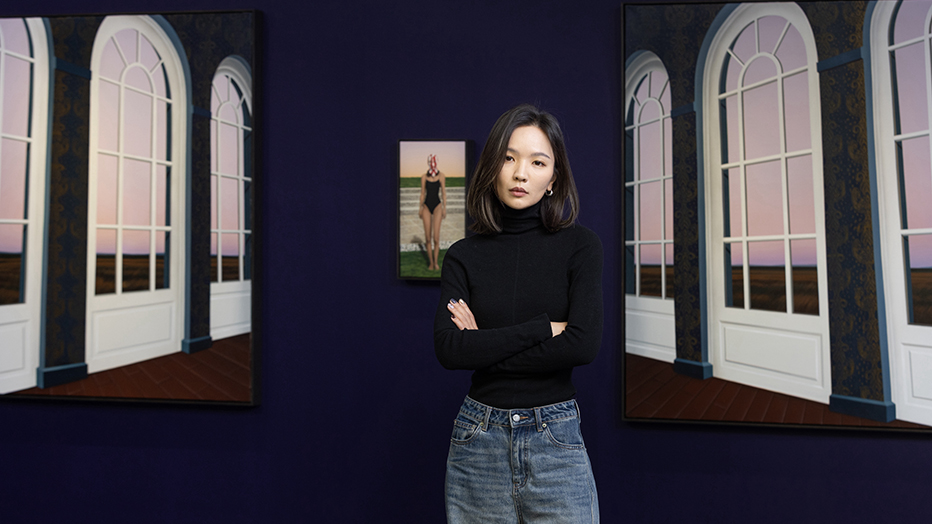
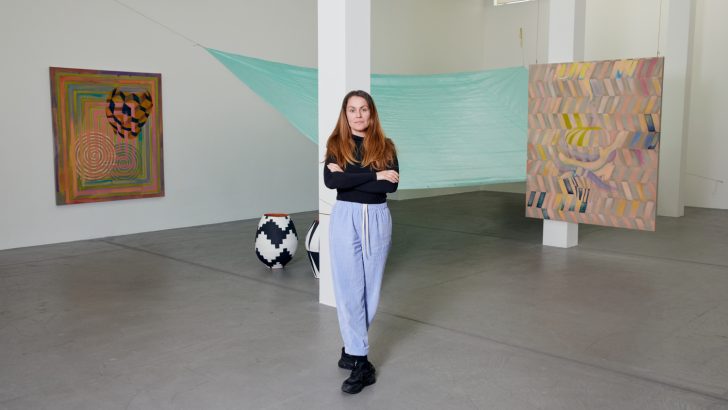
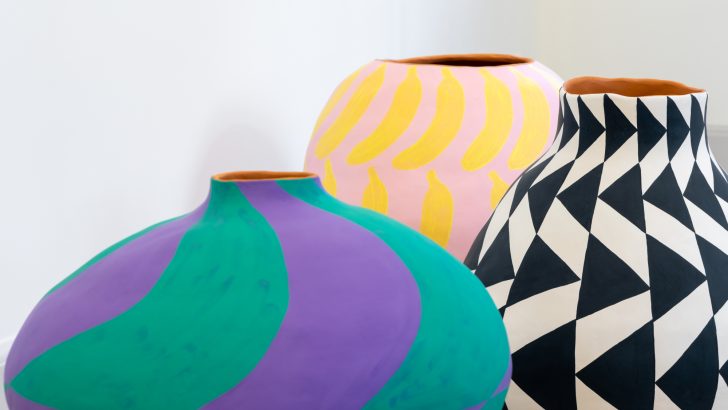
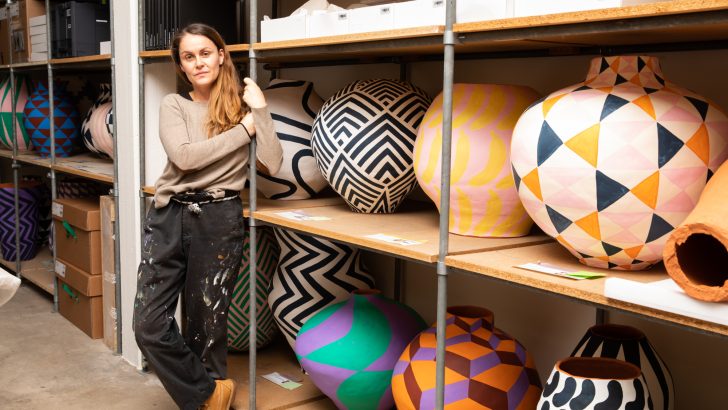
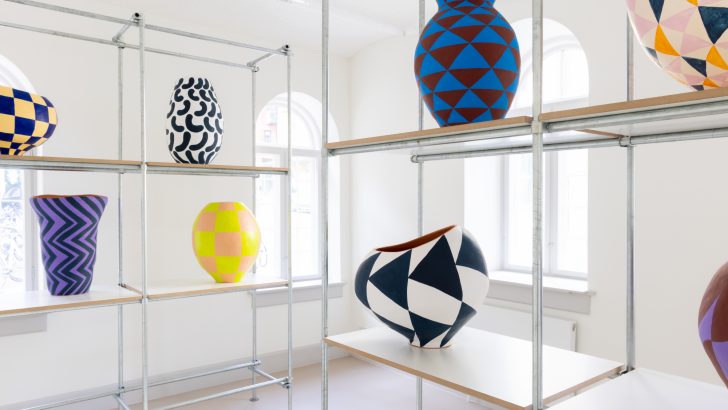
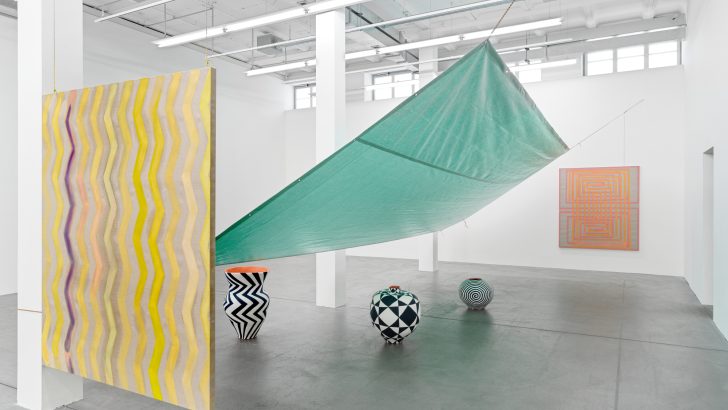
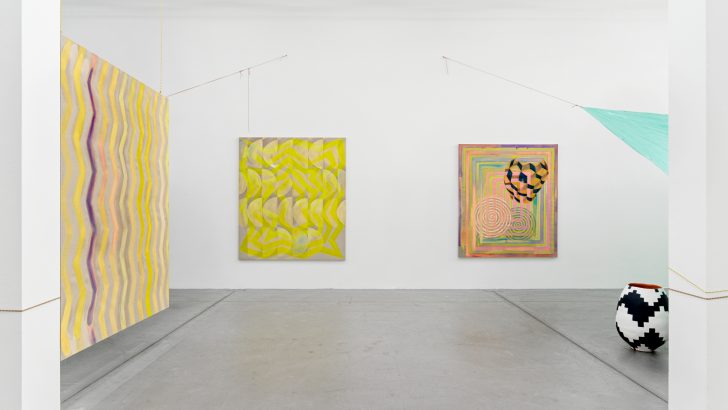
Athene Galiciadis’ work draws its force from the movement of repeated forms. Across paintings, sculptures and installations, the Zurich-based artist uses grids, curves and blocks of color to build a formal language shaped by pattern, material experimentation and references spanning concrete art, design, craft, science and literature.
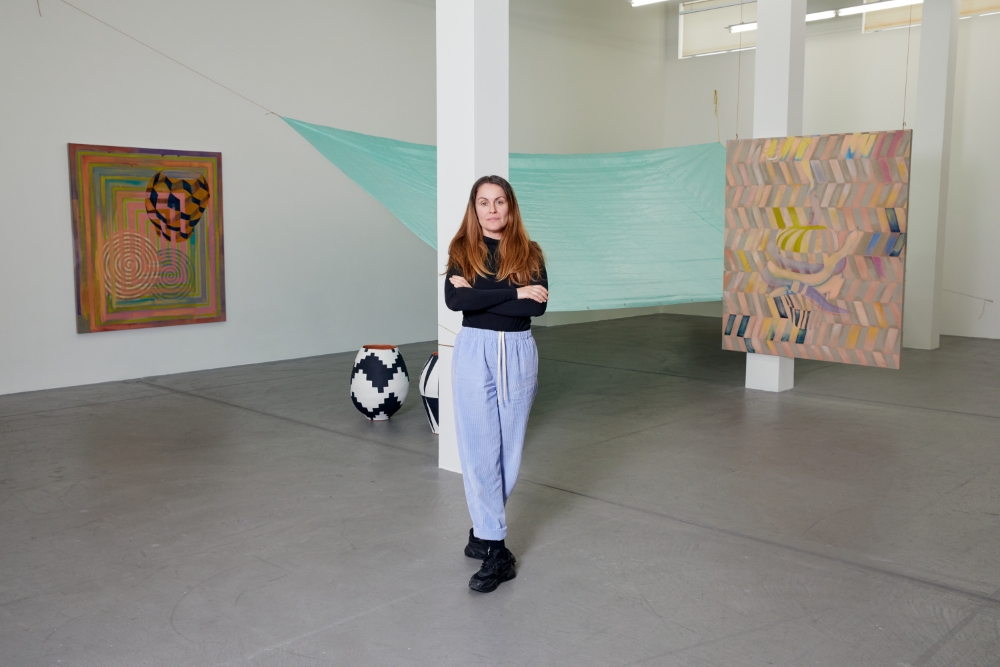
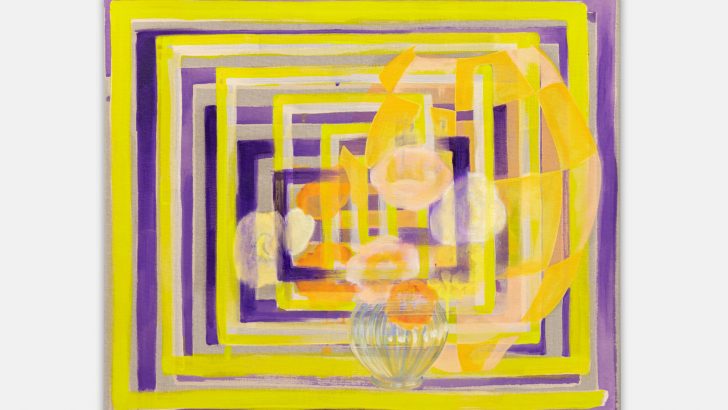
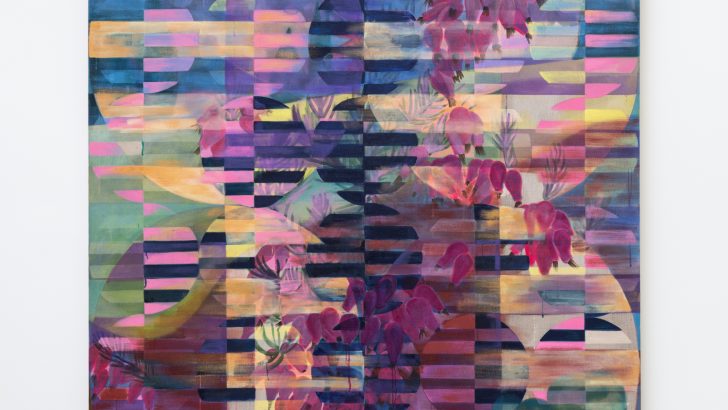
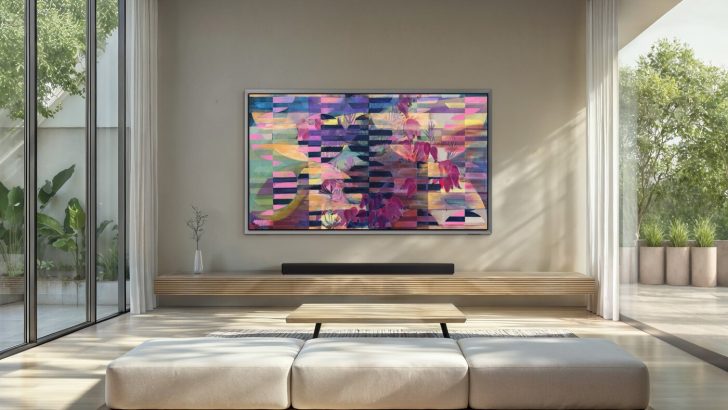
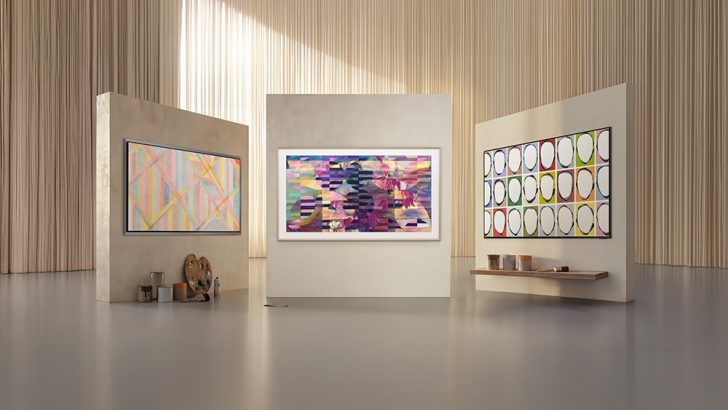
Galiciadis’ “Stillleben (Reflection on Longings and Belongings)” and “Stillleben (Window)” have been selected for the Art Basel in Basel (ABB) 2026 Collection on Samsung Art Store. The works were chosen for their strong use of color and pattern, qualities that translate naturally to the digital viewing experience on Samsung Art Store. Created in partnership with Art Basel, the digital collection features works by Switzerland-based artists from participating galleries and brings contemporary art from the fair to Samsung Art Store subscribers worldwide. Samsung Newsroom spoke with Galiciadis about form, color, the ideas behind the selected works and how digital presentation can bring art into the home.
A Personal Language Through Patterns
Q. Your work has a distinct language of shapes, colors and materials. How did this visual system develop?
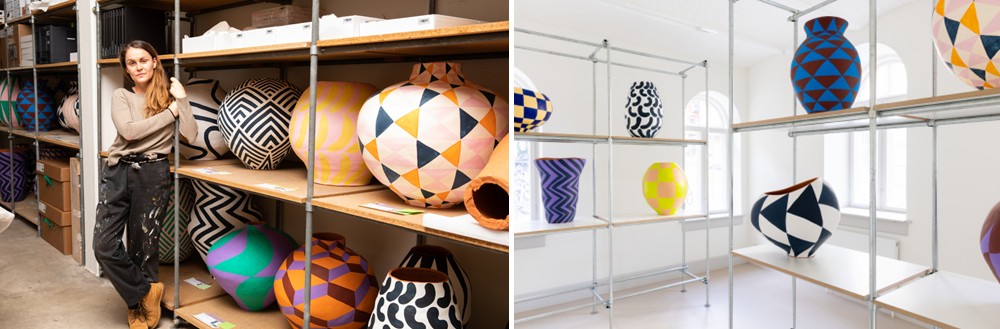
I began developing this visual language while studying Fine Arts at ECAL(École cantonale d’art de Lausanne) in Lausanne. At the time, many artists in the Lausanne art scene were working with Neo-Geo aesthetics. I admired the rigor of that language, but I never fully connected with its precision. Rather than adopting it directly, I tried to translate it into something that felt closer to me.
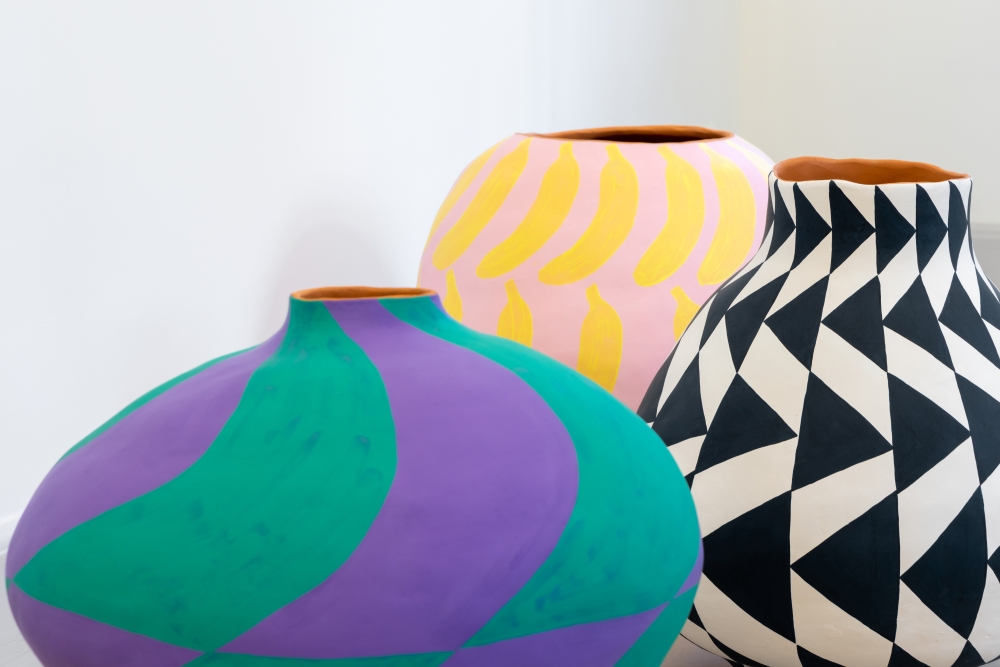
I started working with geometric forms, patterns, repetition and symmetry, but I deliberately embraced the handmade. Every shape was drawn or painted by hand, making it unique and slightly different from the one beside it. The patterns shifted subtly across the surface, not through a predetermined system, but through the small variations that naturally arise from manual repetition.
Q. How do you think about rhythm, variation and change within a composition?
Repetition has always been central to my practice, but I have never been interested in repetition as exact duplication. Because my forms are drawn and painted by hand, no element is ever completely identical to another. A line becomes slightly thicker, a shape shifts, a color changes in intensity. These differences accumulate and create a sense of movement across the surface.
I often think of repetition in terms of rhythm rather than pattern. A pattern suggests a fixed system, whereas rhythm allows for fluctuation, pauses, accelerations and unexpected turns. In that sense, my compositions are perhaps closer to biology than to geometry. They are structured, but never entirely predictable. They repeat, but never in exactly the same way. Over time, this visual language has become more than a tool. I see it as a placeholder for “in-betweenness,” a way to hold ambiguity, transition and multiple meanings at once.
Q. How much of a work is planned before you begin and how much is decided through the act of making it?
I usually begin with a very clear image in my mind. I think visually, so many works start as an almost complete mental picture rather than a concept expressed in words. What fascinates me is that the finished work never looks exactly like that initial image. The image has to pass through materials, gestures, scale, time and the realities of the studio. In that translation, things inevitably shift.
I do not see these deviations as mistakes or compromises. On the contrary, they are often where the work becomes most interesting. While the starting point is often highly defined, the final work is always shaped through the act of making. It is a conversation between intention and discovery, between what I envisioned and what the work itself asks for along the way.
Q. Are there certain materials, colors or forms you find yourself returning to over time? If so, what keeps drawing you back to them?
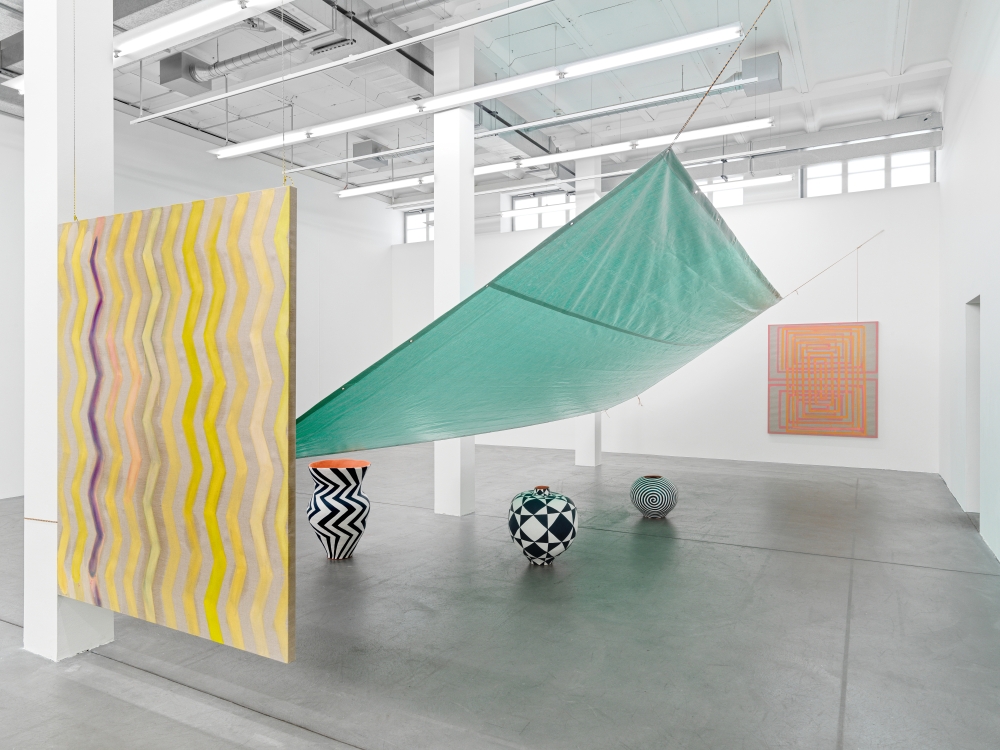
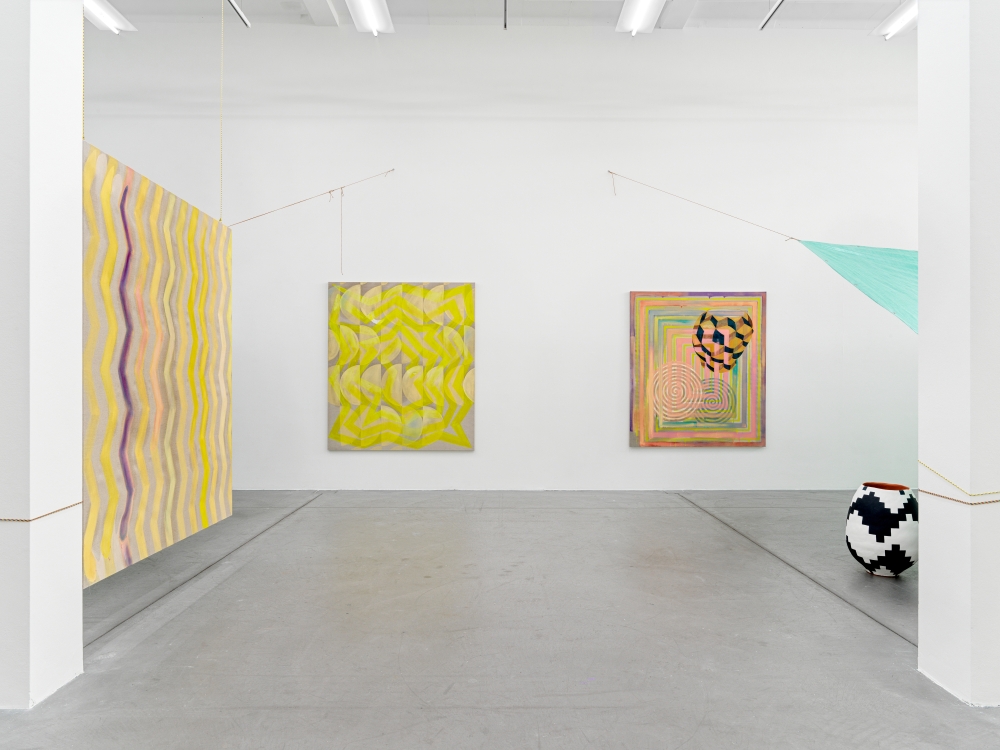
Yes, there are certain forms, colors and motifs that keep returning: snakes, spirals, pinks, triangles, zigzags and many others. I do not consciously decide to revisit them; rather, they seem to reappear on their own, as if they still have something to teach me.
I often think of artistic research as a spiral rather than a linear progression. You engage with something, move away from it, explore other directions and then return to it later. But when you come back, neither you nor the motif is quite the same. Perhaps this is why I am drawn to recurring forms. They become companions in a long-term conversation. Each time they reappear, they carry traces of previous works while opening up new questions and possibilities.
The Meaning of “Stillleben”
“The same structures that provide comfort and a sense of home can also become mechanisms of separation and exclusion.”
Q. Your palette often moves between soft pinks, greens and yellows, with darker blues and blacks adding contrast. How do you think about color as a way to shape tension, depth or atmosphere?
For me, color is something deeply personal. I do not approach it primarily as a decorative element or as a way of illustrating an idea. Rather, color is a way of thinking and a form of artistic research.
In many ways, this process replaces language. Instead of formulating thoughts through words, I compose with layered colors. Through this slow accumulation, I search for nuances, tensions and relationships that are difficult for me to articulate verbally. The depth that emerges is not only visual but also emotional and conceptual.
Q. What can you share about the works selected for the Art Basel in Basel 2026 Collection on Samsung Art Store and the moment in which they were made?
This work emerged within a larger constellation of paintings that I was developing simultaneously in the studio. I rarely work on a single canvas at a time. Instead, several works evolve alongside one another, creating a kind of conversation. What appears on one canvas often migrates to another; a color, form, rhythm or idea that begins in one painting may find a different articulation in the next.
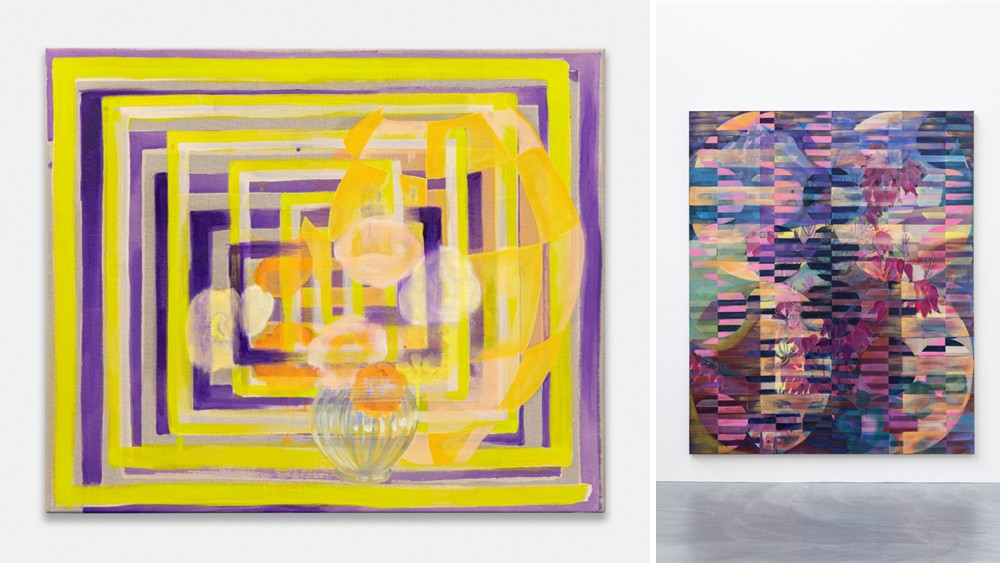
“Stillleben (Reflection on Longings and Belongings)” (2021) by Athene Galiciadis. Photo by Andreas Zimmermann.
Both works were created within such a process. They carry traces of multiple explorations and conversations taking place across different canvases at the same time. Looking back, I see each work as part of an ongoing reflection on questions that continue to occupy me: belonging, displacement, memory, inheritance and transformation. Rather than offering answers, the painting became a space where these themes could coexist and interact.
Q. How did the title “Stillleben (Reflection on Longings and Belongings)” come to the work and what does it add to the viewer’s understanding of the piece?
The title emerged from two conditions that often feel inseparable. Questions of migration, displacement, in-betweenness, transformation, inheritance and identity run throughout my practice and shape how I understand the world. What does it mean to belong? Who is included and who remains outside? Belonging can offer shelter, care and nourishment, but it can also produce boundaries and exclusions.
Longing is particularly difficult to describe. For me, it is often connected to a desire to bridge a gap that is always present but was never entirely my own. It can be inherited across generations, carried through stories, silences, memories and cultural interruptions. It is a longing for connection, continuity and understanding, while knowing that some distances can never be fully overcome.
The same structures that provide comfort and a sense of home can also become mechanisms of separation and exclusion. For me, “Stillleben (Reflection on Longings and Belongings)”inhabits this space of contradiction. It reflects on the simultaneous desire to belong and the awareness that belonging is never simple, fixed or innocent.
Where Art Finds New Meaning at Home
Q. Samsung Art Store gives people a way to encounter world-class art in the spaces where they live. What interests you about that everyday relationship with artwork?
What interests me most is the possibility of creating an everyday relationship with art. Some of the most meaningful encounters with artworks happen not in museums, but in the spaces where we live and spend our time. When you encounter an artwork repeatedly, it becomes part of your daily life and the relationship deepens over time to become a piece of your memories and personal history.
This resonates with my interest in collaboration, participation and community building. I enjoy forms of access that allow art to enter everyday environments. Through projects such as Actioning, I have explored how meaning emerges through shared experiences and sustained engagement. I see art as something that can create connections and become part of a shared cultural life.
Q. How do you think the experience of viewing art changes when a work becomes part of a home environment?
I think the experience becomes slower and more intimate. In a museum, we often encounter artworks briefly and alongside many others. At home, the relationship unfolds over time and the artwork becomes part of everyday life.
You might notice it while drinking your morning coffee, passing through a room or returning home after a difficult day. Sometimes you look closely; other times it simply exists in the background. Yet it continues to shape the atmosphere of a space.
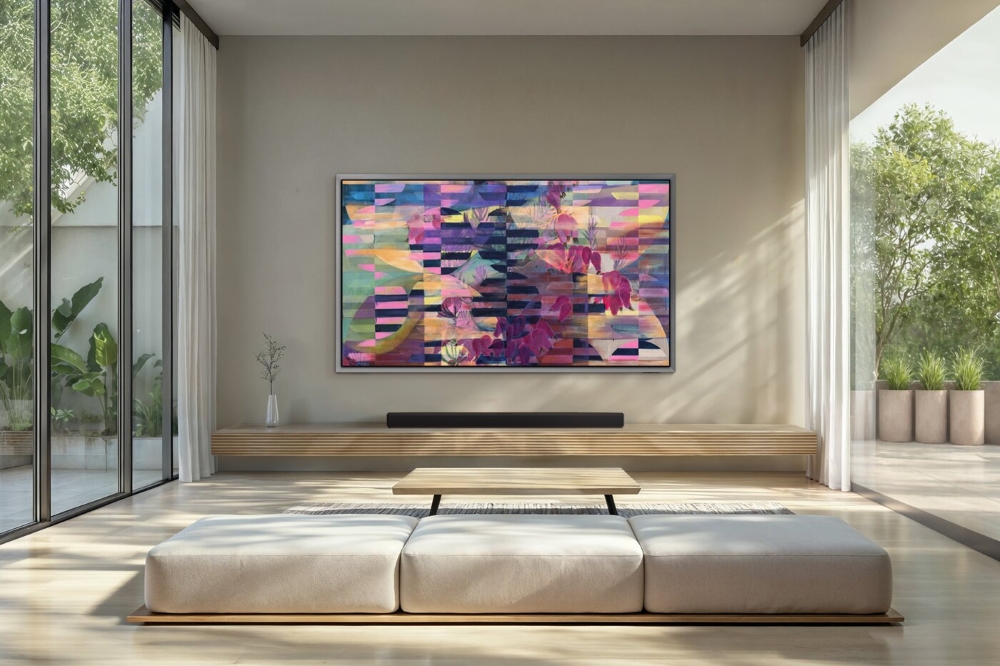
The work becomes an ongoing relationship. Meanings can shift over time and details that initially went unnoticed may suddenly become important. As the viewer changes, the work changes too. This reflects how I understand art: not as a fixed message, but as something open that continues to generate new associations.
“Some of the most meaningful encounters with artworks happen not in museums, but in the spaces where we live and spend our time.”
Q. For viewers who may discover your work for the first time through Samsung Art Store, what would you hope they take time to notice?
I would invite them to spend a little time with the work and allow their eyes to wander. At first glance, my paintings may appear structured, repetitive or geometric. But if you stay with them for a while, small shifts, irregularities and transformations begin to emerge.
I hope viewers notice that nothing is ever entirely fixed. Forms repeat, but they also change. Colors overlap, reveal and conceal one another. What may initially seem stable gradually becomes more fluid and complex.
Perhaps most of all, I hope people allow themselves to experience the work without feeling the need to immediately understand or interpret it. Much of my practice is concerned with things that exist between categories: between belonging and displacement, order and unpredictability, memory and imagination. These are experiences that cannot always be translated into words.
If viewers take the time to notice the rhythms, layers and subtle variations within the work, they may discover that the painting is less about providing answers than about creating space for reflection, curiosity and personal associations. I hope everyone can find their own point of entry and build their own relationship with the work over time.
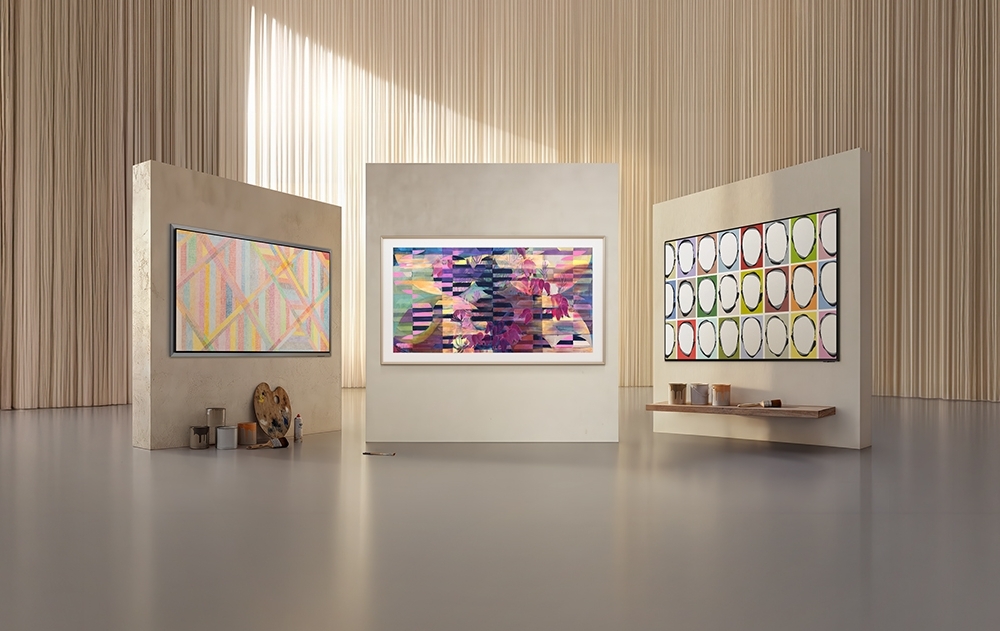
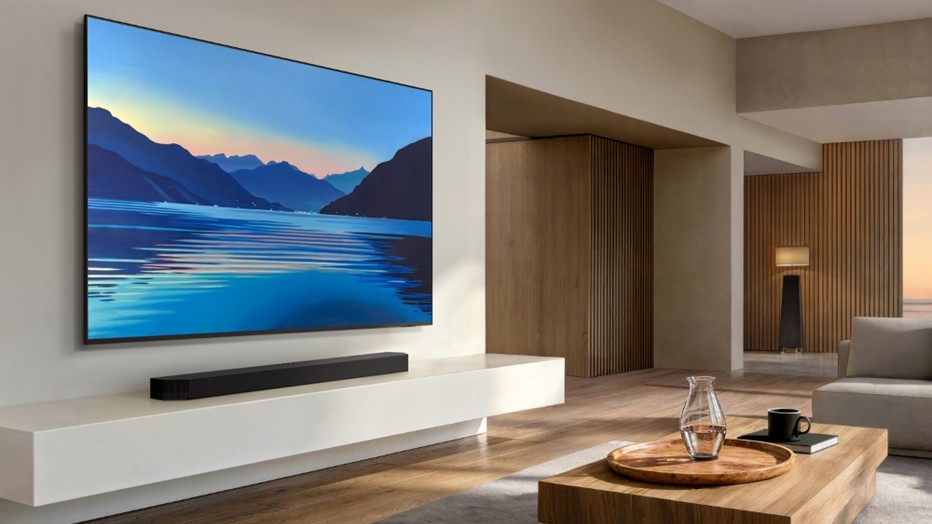
(From left) 2026 OLED S95H, The Frame Pro and Micro RGB.
Samsung Art Store is an art subscription service available on Samsung Art TVs. The service offers more than 5,000 artworks in 4K quality from over 800 artists through more than 80 partners. Available across Samsung’s expanded 2026 Art TV lineup, Samsung Art Store brings curated artwork into everyday spaces through Samsung’s display technology and design.
For any issues related to customer service, please go to Customer Support pagefor assistance.
For media inquiries, please click Media Contactto move to the form.