Samsung Announces World-First Breakthrough in Fainting Prediction With Galaxy Watch
Korea on May 7, 2026
Joint study with Chung-Ang University Gwangmyeong Hospital demonstrates potential for early fainting detection using Galaxy Watch, paving the way for real-time warning systems
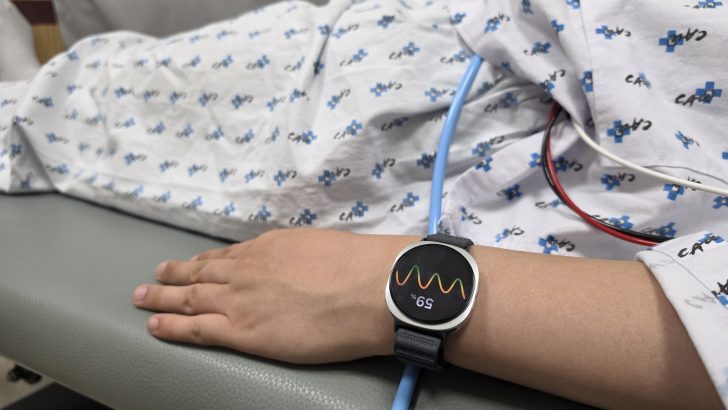
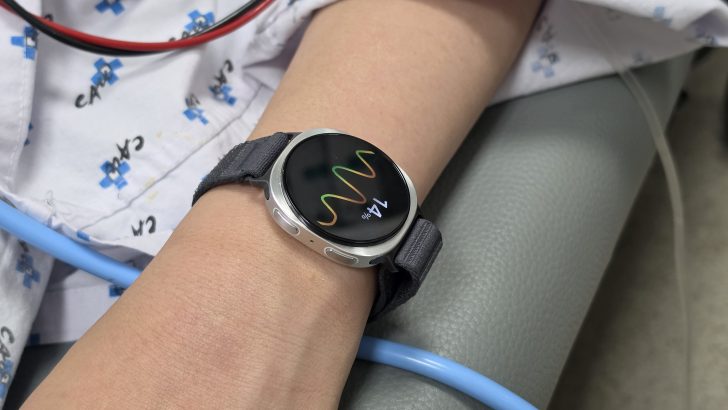
Samsung today announced that a joint clinical study with Chung-Ang University Gwangmyeong Hospital in Korea has successfully validated the ability to predict vasovagal syncope (VVS) with high accuracy by utilizing biosignals obtained from Galaxy Watch6.
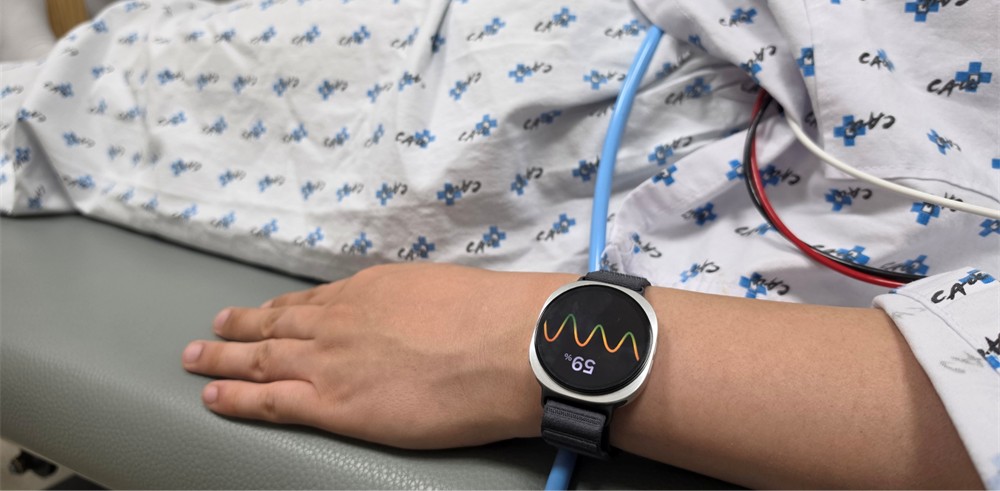
Vasovagal syncope occurs when a person’s heart rate and blood pressure drop abruptly due to factors like excessive stress, leading to a temporary loss of consciousness. While the fainting spell itself is typically not life-threatening, sudden falls can cause severe secondary injuries like fractures or concussions, making early prediction critically important for prevention.
“Up to 40% of people experience vasovagal syncope over their lifetime, with one-third experiencing recurrent episodes,” said Professor Junhwan Cho of the Department of Cardiology at Chung-Ang University Gwangmyeong Hospital. “An early warning could give patients advance time to get into a safe position or call for help, which would dramatically reduce the incidence of secondary injuries.”
The joint research team, led by Professor Cho, conducted evaluations on 132 patients with suspected VVS symptoms during induced fainting tests. Using a Galaxy Watch equipped with a photoplethysmography (PPG) sensor, the team analyzed the watch’s heart rate variability (HRV) data with an AI algorithm. The model successfully predicted impending fainting episodes up to five minutes in advance with 84.6 percent accuracy, at a clinically meaningful sensitivity of 90 percent and a specificity of 64 percent.
“This study is an example of how wearable technology can help shift healthcare from being designed for ‘post-care’ to a model of ‘preventive care,’” said Jongmin Choi, Head of Health R&D Group, Mobile eXperience (MX) Business, Samsung Electronics. “We are committed to driving technological innovation that empowers our users to lead healthier everyday lives.”
The research findings were published in Volume 7, Issue 4 of “European Heart Journal – Digital Health,” a leading medical journal and they represent the world’s first study to successfully demonstrate the potential for a commercial smartwatch to provide early prediction of syncope.
Samsung plans to further advance the health monitoring capabilities of its wearable portfolio and expand collaboration with leading medical institutions. Through these efforts, the company aims to lead the digital health industry and accelerate the implementation of personalized, preventive health solutions.
For any issues related to customer service, please go to Customer Support pagefor assistance.
For media inquiries, please click Media Contactto move to the form.